Patagonia Adventure Tours
Patagonia adventure tours cover one of the remote and breathtaking regions on Earth, stretching across the southern tips of Argentina and Chile. Patagonia adventure tours in Argentina are the gateway to iconic landmarks like Los Glaciares National Park, home to the massive Perito Moreno Glacier. The glacier spans over 250 square kilometers, making it one of the largest non-polar ice fields on the planet. Hiking trips in Patagonia across circuits like the Fitz Roy Trek expose adventurers to towering peaks and pristine river valleys found nowhere else in the world.
Tierra del Fuego sits at the southernmost point of South America, offering a unique blend of subantarctic forests, rugged coastlines, and rich indigenous history. The area hosts multi-day trekking routes, boat excursions through the Beagle Channel, and wildlife encounters with Magellanic penguins and Andean condors. Punta Arenas, a port city in Chilean Patagonia, acts as a major hub for expeditions heading toward Torres del Paine and Cape Horn.
The geography of Patagonia creates an unmatched environment for adventure travel, with elevations ranging from sea level to peaks exceeding 3,000 meters. Wind speeds in the region reach 120 kilometers per hour, adding a layer of challenge that attracts serious outdoor enthusiasts to Patagonia adventure tours.
Tierra del Fuego sits at the southernmost point of South America, offering a unique blend of subantarctic forests, rugged coastlines, and rich indigenous history. The area hosts multi-day trekking routes, boat excursions through the Beagle Channel, and wildlife encounters with Magellanic penguins and Andean condors. Punta Arenas, a port city in Chilean Patagonia, acts as a major hub for expeditions heading toward Torres del Paine and Cape Horn.
The geography of Patagonia creates an unmatched environment for adventure travel, with elevations ranging from sea level to peaks exceeding 3,000 meters. Wind speeds in the region reach 120 kilometers per hour, adding a layer of challenge that attracts serious outdoor enthusiasts to Patagonia adventure tours.
What are the Top Highlights of Patagonia Adventure Tours?
The top highlights of Patagonia adventure tours are listed below.
- Towering Mountain Scenery: The Andes mountain range dominates the Patagonian skyline, featuring granite towers like Fitz Roy and Torres del Paine reaching heights above 2,800 meters. The jagged peaks create dramatic backdrops that attract landscape photographers and mountaineers from across the globe.
- Glacier Exploration: Perito Moreno Glacier spans over 250 square kilometers and stands 60 meters above the waterline, offering trekking and ice-climbing experiences on its surface. The Southern Patagonian Ice Field, the third largest freshwater reserve on Earth, feeds numerous glaciers across the region.
- Extended Hiking Routes: The W Trek and the Patagonian Circuit cover distances from 80 to 130 kilometers, passing through valleys, mountain passes, and glacial lakes. Hiking trips in Patagonia attract trekkers seeking multi-day routes through raw, trail-marked wilderness.
- Wildlife Observation: Patagonia hosts Magellanic penguins, Andean condors, guanacos, and pumas across its national parks and coastal reserves. Peninsula Valdés in Patagonia, Argentina, is a prime location for southern right whale sightings from June to December.
- Water Adventures: The Futaleufú River offers Class V whitewater rafting, ranked among the top rafting destinations in the world. Sea kayaking through the Beagle Channel provides close encounters with glaciers, sea lions, and albatrosses.
- Estancia and Cultural Visits: Traditional estancias across Patagonia, Argentina, offer sheep-shearing demonstrations, horseback riding, and authentic Patagonian lamb asado meals. The visits provide direct insight into the gaucho culture that has shaped the region for centuries.
- Photo-centric Stops: Laguna de los Tres and Mirador Las Torres deliver unobstructed views of iconic peaks during golden hour lighting. The reflections across glacial lakes create compositions sought by professional photographers worldwide.
- Remote Wilderness Lodging: Eco-lodges and mountain refugios sit within national park boundaries, placing guests inside protected wilderness areas. Lodging options range from basic refugios at [$15 to $40] per night to luxury lodges at [$500 to $900] per night.
- Valparaíso: The UNESCO-listed port city features over 40 colorful hillside neighborhoods connected by historic funiculars dating back to the 1880s. Street art murals covering entire building facades make Valparaíso one of South America's leading open-air art destinations.
- Cape Horn: Cape Horn marks the southernmost tip of South America at 55°58′S latitude, where the Atlantic and Pacific Oceans converge. Boat expeditions from Punta Arenas reach the cape, exposing travelers to extreme winds exceeding 100 kilometers per hour and dramatic subantarctic seascapes.
- Pampas: The Patagonian Pampas stretch across flat, semi-arid grasslands covering parts of Argentina and southern Chile. The open plains support large guanaco herds and traditional grazing land, central to the Patagonia adventure tours' estancia experience.
1. Towering Mountain Scenery
Towering mountain scenery stands as one of the features of Patagonia adventure tours, drawing trekkers and nature enthusiasts to its granite peaks and glacial valleys. The Andes mountain range forms the backbone of the region, with summits like Fitz Roy reaching 3,405 meters and Torres del Paine peaking at 2,850 meters. The vertical rock faces and sharp ridgelines create dramatic panoramas visible from trail systems across both Argentina and Chile. Hiking routes like the W Trek and Fitz Roy Circuit place trekkers beneath the peaks, offering unobstructed views of snow-capped summits and turquoise glacial lakes below. Eco-friendly travel practices across Patagonian national parks protect the natural terrain, with designated campsites and trail regulations keeping the wilderness intact. The combination of accessible hiking routes, preserved ecosystems, and jaw-dropping elevation changes makes towering mountain scenery the defining attraction of any Patagonian expedition.
2. Glacier Exploration
Glacier exploration ranks among the defining features of Patagonia adventure tours, placing trekkers on ancient ice fields formed over thousands of years. The Southern Patagonian Ice Field stretches across 13,000 square kilometers, feeding over 48 glaciers across Argentina and Chile. Perito Moreno Glacier stands as the most accessible of the lot, with guided ice-hiking experiences available on its surface for [$80 to $150] per person.
Scenic views from glacier viewpoint platforms expose visitors to 60-meter-tall ice walls calving into Lago Argentino below. Trekking routes across Grey Glacier in Torres del Paine National Park cover distances of 4 to 8 kilometers round trip, passing through preserved subantarctic forest before reaching the ice. Eco-friendly travel regulations within national park boundaries restrict visitor access to designated zones, protecting the glacier ecosystems from long-term degradation. The raw scale and accessibility of Patagonian glaciers make glacier exploration an irreplaceable part of the adventure experience.
Scenic views from glacier viewpoint platforms expose visitors to 60-meter-tall ice walls calving into Lago Argentino below. Trekking routes across Grey Glacier in Torres del Paine National Park cover distances of 4 to 8 kilometers round trip, passing through preserved subantarctic forest before reaching the ice. Eco-friendly travel regulations within national park boundaries restrict visitor access to designated zones, protecting the glacier ecosystems from long-term degradation. The raw scale and accessibility of Patagonian glaciers make glacier exploration an irreplaceable part of the adventure experience.
3. Extended Hiking Routes
Extended hiking routes define the core experience of Patagonia adventure tours, offering multi-day treks through some of the untouched wilderness on Earth. The W Trek covers 80 kilometers over 4 to 5 days, passing through glacial valleys, hanging bridges, and viewpoints facing the iconic Torres del Paine granite towers. The full Patagonian Circuit extends the journey to 130 kilometers over 8 to 10 days, traversing remote mountain passes and exposed ridgelines seen by casual travelers.
Scenic views along the Fitz Roy Trek in Patagonia, Argentina, reward trekkers with direct sightlines to the 3,405-meter granite peak after a 20-kilometer round-trip ascent. Trail regulations across Los Glaciares and Torres del Paine National Parks enforce eco-friendly travel practices, requiring permits and designated camping zones to preserve fragile ecosystems. The combination of technical terrain, dramatic elevation changes, and protected natural corridors makes extended hiking routes the backbone of every Patagonian adventure itinerary.
Scenic views along the Fitz Roy Trek in Patagonia, Argentina, reward trekkers with direct sightlines to the 3,405-meter granite peak after a 20-kilometer round-trip ascent. Trail regulations across Los Glaciares and Torres del Paine National Parks enforce eco-friendly travel practices, requiring permits and designated camping zones to preserve fragile ecosystems. The combination of technical terrain, dramatic elevation changes, and protected natural corridors makes extended hiking routes the backbone of every Patagonian adventure itinerary.
4. Wildlife Observation
Wildlife observation is one of the rewarding features of Patagonia adventure tours, exposing travelers to species found in subantarctic and Andean ecosystems. Magellanic penguins gather in colonies exceeding 200,000 individuals at Punta Tombo reserve in Patagonia, Argentina, making it the largest penguin colony on the South American continent. Andean condors with wingspans reaching 3.2 meters soar above glacial valleys, spotted along hiking routes in Torres del Paine and Los Glaciares National Parks.
Pumas roam the open grasslands of Torres del Paine, with guided wildlife tracking excursions offering sighting opportunities at dawn and dusk. Southern right whales migrate through Peninsula Valdés waters from June to December, drawing marine wildlife enthusiasts to coastal observation points. Eco-friendly travel protocols within protected reserves restrict group sizes to 12 persons per guide, minimizing human impact on nesting and feeding grounds. The density and diversity of native species make wildlife observation an unmissable feature of the Patagonian experience.
Pumas roam the open grasslands of Torres del Paine, with guided wildlife tracking excursions offering sighting opportunities at dawn and dusk. Southern right whales migrate through Peninsula Valdés waters from June to December, drawing marine wildlife enthusiasts to coastal observation points. Eco-friendly travel protocols within protected reserves restrict group sizes to 12 persons per guide, minimizing human impact on nesting and feeding grounds. The density and diversity of native species make wildlife observation an unmissable feature of the Patagonian experience.
5. Water Adventures
Water adventures form a thrilling feature of Patagonia adventure tours, placing travelers into the region's powerful rivers, glacial lakes, and open ocean channels. The Futaleufú River in Chilean Patagonia delivers Class V whitewater rapids across a 14-kilometer stretch, ranking among the top 10 whitewater rafting destinations globally. Sea kayaking through the Beagle Channel exposes paddlers to glacier faces, rocky shorelines, and close encounters with sea lions and albatrosses along a 240-kilometer waterway.
Lago Grey and Lago Pehoé inside Torres del Paine National Park offer scenic catamaran crossings with direct views of hanging glaciers and granite peaks rising above the waterline. Multi-day kayaking expeditions along the Chilean fjords cover distances exceeding 100 kilometers, passing through one of the remotest coastal wildernesses in the Southern Hemisphere. Eco-friendly travel guidelines across Patagonian waterways restrict motorized vessel access in protected zones, preserving aquatic ecosystems for future generations. The raw power and scenic grandeur of Patagonian waters make water adventures an essential dimension of the regional experience.
Lago Grey and Lago Pehoé inside Torres del Paine National Park offer scenic catamaran crossings with direct views of hanging glaciers and granite peaks rising above the waterline. Multi-day kayaking expeditions along the Chilean fjords cover distances exceeding 100 kilometers, passing through one of the remotest coastal wildernesses in the Southern Hemisphere. Eco-friendly travel guidelines across Patagonian waterways restrict motorized vessel access in protected zones, preserving aquatic ecosystems for future generations. The raw power and scenic grandeur of Patagonian waters make water adventures an essential dimension of the regional experience.
6. Estancia and Cultural Visits
Estancia and cultural visits add a human dimension to Patagonia adventure tours, connecting travelers with centuries-old ranching traditions rooted in gaucho heritage. Traditional estancias across Patagonia, Argentina, operate on landholdings exceeding 10,000 hectares, raising Merino sheep and Hereford cattle across open, windswept grasslands. Guests participate in live sheep-shearing demonstrations, horseback riding across the pampas, and authentic Patagonian lamb asado meals slow-roasted over open wood fires.
Cultural visits to indigenous Tehuelche and Mapuche communities expose travelers to ancestral weaving techniques, rock art sites, and oral histories predating European settlement by thousands of years. Scenic views from estancia properties stretch across uninterrupted horizons of golden grasslands meeting Andean foothills, offering a quieter contrast to the dramatic mountain terrain found along hiking routes. Eco-friendly travel practices within estancia tourism limit vehicle access and promote low-impact land use across protected grazing territories. The authentic cultural immersion found at traditional estancias makes estancia and cultural visits an irreplaceable layer of the Patagonian adventure experience.
Cultural visits to indigenous Tehuelche and Mapuche communities expose travelers to ancestral weaving techniques, rock art sites, and oral histories predating European settlement by thousands of years. Scenic views from estancia properties stretch across uninterrupted horizons of golden grasslands meeting Andean foothills, offering a quieter contrast to the dramatic mountain terrain found along hiking routes. Eco-friendly travel practices within estancia tourism limit vehicle access and promote low-impact land use across protected grazing territories. The authentic cultural immersion found at traditional estancias makes estancia and cultural visits an irreplaceable layer of the Patagonian adventure experience.
7. Photo‑centric Stops
Photo-centric stops rank among the sought-after features of Patagonia adventure tours, offering compositions of glaciers, granite peaks, and turquoise lakes within a single frame. Laguna de los Tres in Patagonia, Argentina, places photographers at an elevation of 1,170 meters, delivering an unobstructed frontal view of Fitz Roy reflected across glacial waters below. Mirador Las Torres inside Torres del Paine National Park rewards a 4-hour ascent with direct sightlines to the three iconic granite towers rising 2,850 meters above sea level.
Lago Pehoé captures reflections of the Paine Massif across its surface during early morning light, producing images recognized in major international photography publications. Scenic viewpoints along the W Trek expose camera operators to hanging glaciers, condor flight paths, and native lenga beech forests turning deep red during the autumn season (March to May). Eco-friendly travel regulations prohibit drone usage across national park airspace, preserving the natural soundscape and wildlife behavior within protected zones. The concentration of world-class natural compositions makes photo-centric stops a defining draw for visual storytellers visiting Patagonia.
Lago Pehoé captures reflections of the Paine Massif across its surface during early morning light, producing images recognized in major international photography publications. Scenic viewpoints along the W Trek expose camera operators to hanging glaciers, condor flight paths, and native lenga beech forests turning deep red during the autumn season (March to May). Eco-friendly travel regulations prohibit drone usage across national park airspace, preserving the natural soundscape and wildlife behavior within protected zones. The concentration of world-class natural compositions makes photo-centric stops a defining draw for visual storytellers visiting Patagonia.
8. Remote Wilderness Lodging
Remote wilderness lodging places travelers at the heart of Patagonia adventure tours, positioning guests inside protected national park boundaries far from urban infrastructure. Eco-domes and geodesic tent structures at EcoCamp Patagonia sit within Torres del Paine National Park, offering accommodations at [$250 to $600] per night with direct views of the Paine Massif. Mountain refugios along the W Trek circuit provide basic dormitory-style lodging at [$15 to $40] per night, catering to trekkers completing extended hiking routes across the park.
Luxury lodges like Explora Patagonia operate on private land adjacent to national park borders, offering all-inclusive packages at [$900 to $1,500] per night, inclusive of guided excursions and scenic transfers. Eco-friendly travel standards across wilderness lodging properties mandate solar energy systems, greywater filtration, and strict waste management protocols. The proximity to raw Patagonian wilderness makes remote wilderness lodging an integral part of the immersive adventure experience.
Luxury lodges like Explora Patagonia operate on private land adjacent to national park borders, offering all-inclusive packages at [$900 to $1,500] per night, inclusive of guided excursions and scenic transfers. Eco-friendly travel standards across wilderness lodging properties mandate solar energy systems, greywater filtration, and strict waste management protocols. The proximity to raw Patagonian wilderness makes remote wilderness lodging an integral part of the immersive adventure experience.
9. Valparaiso
Valparaíso is a rich gateway destination within Patagonia adventure tours, offering travelers a vivid urban contrast before heading south into wilderness territory. The UNESCO World Heritage-listed port city spreads across 42 hillside neighborhoods connected by 16 historic funiculars, known as ascensores, dating back to the 1880s. Murals cover building facades across the cerros, over 20,000 street art pieces, making Valparaíso one of the documented open-air art destinations in South America.
The city's natural harbor, framed by steep hillsides, creates scenic views accessible on foot through a network of stairways and cobblestone pathways connecting each neighborhood. Seafood markets along the port district serve fresh catches (congrio, reineta, and loco) sourced from the Pacific coastal waters. Eco-friendly travel initiatives across Valparaíso promote pedestrian-centered tourism through the historic hillside districts, reducing vehicle congestion within the UNESCO-protected core zone. The layered cultural identity of the city makes Valparaíso a meaningful starting point for the broader Patagonian journey.
The city's natural harbor, framed by steep hillsides, creates scenic views accessible on foot through a network of stairways and cobblestone pathways connecting each neighborhood. Seafood markets along the port district serve fresh catches (congrio, reineta, and loco) sourced from the Pacific coastal waters. Eco-friendly travel initiatives across Valparaíso promote pedestrian-centered tourism through the historic hillside districts, reducing vehicle congestion within the UNESCO-protected core zone. The layered cultural identity of the city makes Valparaíso a meaningful starting point for the broader Patagonian journey.
10. Cape Horn
Cape Horn marks the southernmost navigational point of Patagonia adventure tours, where the Atlantic and Pacific Oceans meet in some of the world's most turbulent waters. The cape rises 424 meters above sea level from Horn Island, accessible by boat or helicopter expedition departing from Punta Arenas or Puerto Williams. Wind speeds at Cape Horn exceed 100 kilometers per hour, earning the passage a historical reputation among 18th and 19th-century maritime navigators as one of the most dangerous ocean crossings on Earth.
A steel albatross monument standing at the cliff's edge commemorates the thousands of sailors lost attempting the Drake Passage crossing across centuries of maritime history. Scenic views from the cape expose travelers to raw subantarctic seascapes, rocky cliffs, and open ocean horizons stretching uninterrupted toward Antarctica. Eco-friendly travel access to Cape Horn falls under Chilean Navy jurisdiction, restricting visitor numbers to protect the island's fragile ecosystem. The extreme geography and maritime heritage make Cape Horn one of the most powerful highlights of any Patagonian expedition.
A steel albatross monument standing at the cliff's edge commemorates the thousands of sailors lost attempting the Drake Passage crossing across centuries of maritime history. Scenic views from the cape expose travelers to raw subantarctic seascapes, rocky cliffs, and open ocean horizons stretching uninterrupted toward Antarctica. Eco-friendly travel access to Cape Horn falls under Chilean Navy jurisdiction, restricting visitor numbers to protect the island's fragile ecosystem. The extreme geography and maritime heritage make Cape Horn one of the most powerful highlights of any Patagonian expedition.
11. Pampas
The Pampas represent the vast open grassland territory woven into the natural fabric of Patagonia adventure tours, covering flat and semi-arid plains across southern Argentina and parts of Chilean Patagonia. Patagonian Pampas extend across 900,000 square kilometers, supporting large wild guanaco herds numbering in the thousands across uninterrupted horizons of golden grass and scrubland. The open terrain creates sweeping scenic views stretching from Andean foothills in the west to Atlantic coastal cliffs in the east, offering a dramatic geographical contrast to the region's glaciated mountain zones.
Horseback riding excursions across the pampas cover distances of 15 to 40 kilometers per day, following gaucho-led routes through estancia territories accessible on foot. Rheas, armadillos, and Patagonian maras inhabit the grassland ecosystem alongside pumas and fox species native to the southern cone. Eco-friendly travel across the pampas prioritizes low-impact horseback and hiking access over motorized vehicle routes through sensitive grassland habitats. The boundless scale and raw simplicity of the terrain make the Pampas an essential geographic chapter of the Patagonian adventure story.
Horseback riding excursions across the pampas cover distances of 15 to 40 kilometers per day, following gaucho-led routes through estancia territories accessible on foot. Rheas, armadillos, and Patagonian maras inhabit the grassland ecosystem alongside pumas and fox species native to the southern cone. Eco-friendly travel across the pampas prioritizes low-impact horseback and hiking access over motorized vehicle routes through sensitive grassland habitats. The boundless scale and raw simplicity of the terrain make the Pampas an essential geographic chapter of the Patagonian adventure story.
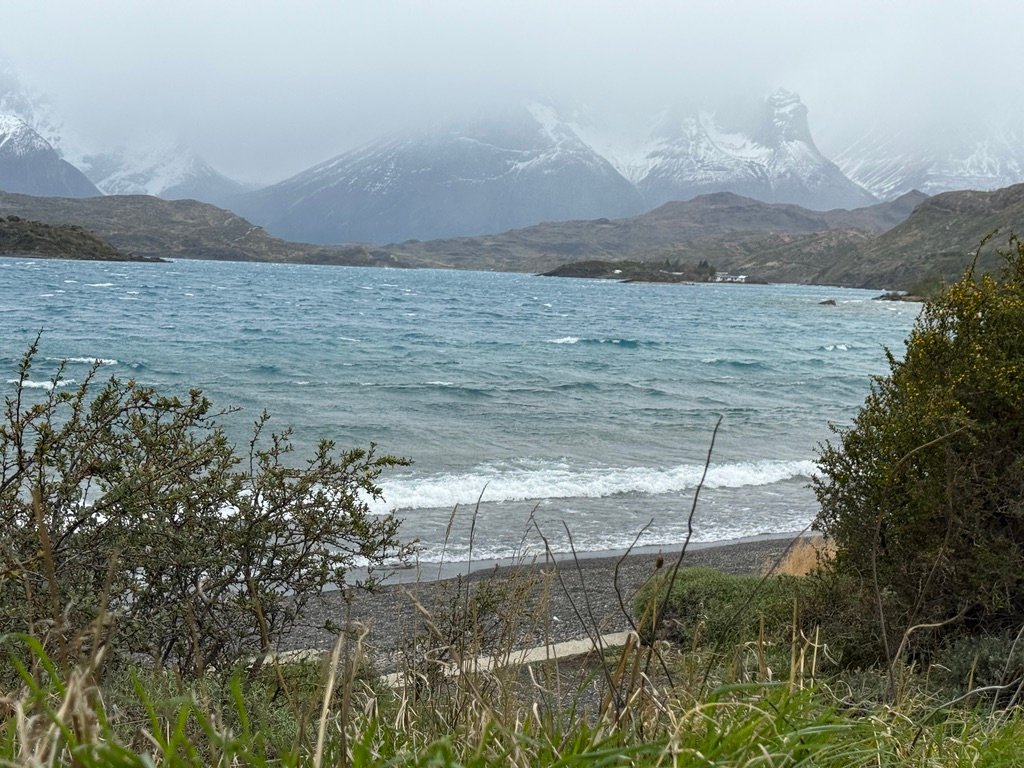
Activities that travelers can enjoy on Patagonia Adventure Tours are listed below.
- Hiking and Trekking: The W Trek and Patagonian Circuit inside Torres del Paine National Park cover distances from 80 to 130 kilometers across glacial valleys, mountain passes, and lakeside trails. Hiking trips in Patagonia, Argentina, follow marked routes through Los Glaciares National Park, placing trekkers within direct sightlines of Fitz Roy and Cerro Torre.
- Glacier Trekking: Guided ice-hiking excursions on Perito Moreno Glacier operate daily, covering 2 to 4 kilometers across the ice surface with crampons and technical gear provided. Grey Glacier trekking inside Torres del Paine offers half-day and full-day routes across blue ice formations rising 30 meters above the lake surface.
- Whitewater Rafting: The Futaleufú River in Chilean Patagonia delivers Class V rapids across a 14-kilometer stretch, ranking among the top whitewater destinations globally. Rafting excursions operate from November to March, with guided trips priced at [$80 to $150] per person.
- Wildlife Watching: Peninsula Valdés in Patagonia, Argentina, hosts southern right whale sightings from June to December, alongside Magellanic penguin colonies exceeding 200,000 individuals at Punta Tombo reserve. Tierra del Fuego National Park offers beaver pond trails and Andean condor sightings along its 39-kilometer trail network.
- Sea Kayaking: The Beagle Channel, stretching 240 kilometers through Tierra del Fuego, provides sea kayaking routes past glacier faces, rocky coastlines, and sea lion colonies. Multi-day kayaking expeditions through Chilean fjords cover distances exceeding 100 kilometers through protected subantarctic waterways.
- Horseback Riding: Gaucho-led horseback excursions across Patagonian estancias cover 15 to 40 kilometers daily through open pampas grasslands and Andean foothills. Tierra del Fuego offers forest and coastal riding routes through the Lago Fagnano valley, combining mountain scenery with native forest terrain.
- Birdwatching: Torres del Paine and Tierra del Fuego host over 100 native bird species (Andean condors, black-necked swans, and steamer ducks) across lagoons and open grasslands. Guided birdwatching excursions operate at dawn, covering prime observation zones within national park boundaries inaccessible to general visitors.
- Photography Tours: Laguna de los Tres and Mirador Las Torres deliver world-class compositional opportunities at sunrise, with guided photography tours operating from October to April. Tierra del Fuego's subantarctic forests and coastal cliffs provide unique low-light shooting conditions during the long summer evenings of the Patagonia adventure tours season, activities that travelers can enjoy throughout their journey.
The best time to visit Patagonia Adventure Tour is within the summer season (November to March), when temperatures range from 10°C to 20°C and daylight extends up to 17 hours across the region. Trail systems inside Torres del Paine and Los Glaciares National Parks reach peak accessibility during December and January, with most refugios and eco-lodges operating at full capacity. Wind speeds across the Patagonian steppe peak in January and February, exceeding 80 kilometers per hour along exposed ridgelines and open grassland terrain.
The shoulder season (October and April) offers fewer crowds, lower accommodation rates, and stable weather conditions suitable for glacier trekking and wildlife observation. Autumn season (March to May) produces deep red and orange foliage across lenga beech forests, creating prime conditions for photography-focused expeditions. Winter season (June to August) closes major trekking circuits but opens glacier and ice-climbing experiences in select areas. Selecting the correct season determines the quality and safety of the best time to take a Patagonia adventure.
The shoulder season (October and April) offers fewer crowds, lower accommodation rates, and stable weather conditions suitable for glacier trekking and wildlife observation. Autumn season (March to May) produces deep red and orange foliage across lenga beech forests, creating prime conditions for photography-focused expeditions. Winter season (June to August) closes major trekking circuits but opens glacier and ice-climbing experiences in select areas. Selecting the correct season determines the quality and safety of the best time to take a Patagonia adventure.
Patagonia Adventure Tours compared to other South America Tours are shown in the table below.
| Tour Name | Activity Focus | Price Range | Duration | Region Covered | Accessibility |
|---|---|---|---|---|---|
| Patagonia Adventure Tour | Hiking, Glacier Trekking, Wildlife | $2,500 to $8,000 | 8 to 21 days | Southern Argentina and Chile | Moderate to Difficult |
| Amazon Rainforest Tour | Wildlife, Canopy Walks, River Cruises | $1,200 to $4,500 | 5 to 14 days | Brazil, Peru, Ecuador | Easy to Moderate |
| Atacama Desert Tour | Stargazing, Sandboarding, Geysers | $1,000 to $3,500 | 4 to 10 days | Northern Chile | Easy |
| Machu Picchu and Inca Trail | Cultural Hiking, Archaeology | $1,500 to $4,000 | 5 to 12 days | Cusco Region, Peru | Moderate |
| Galápagos Islands Tour | Marine Wildlife, Snorkeling, Diving | $3,000 to $9,000 | 7 to 14 days | Galápagos Islands, Ecuador | Easy to Moderate |
| Uyuni Salt Flats Tour | Photography, 4WD Expeditions | $800 to $2,500 | 3 to 7 days | Southwest Bolivia | Easy |
To pack for a Patagonia Adventure Tour follow the six steps below.
Packing the right gear (merino wool base layers, a Gore-Tex hardshell jacket, and Vibram-soled waterproof hiking boots) determines the safety and comfort level of the entire expedition. The three foundational pillars of a successful Patagonia adventure, the layering system, waterproof protection, and durable footwear, are the essential items that every traveler packs.
- Pack Moisture-Wicking Base Layers. Merino wool or synthetic base layers regulate body temperature across Patagonia's shifting weather conditions. A minimum of 3 sets covering both upper and lower body provides adequate rotation across multi-day trekking routes.
- Bring a Windproof and Waterproof Outer Shell. Wind speeds in Patagonia exceed 80 kilometers per hour, making a Gore-Tex or equivalent hardshell jacket non-negotiable for exposed trail sections. The jacket must carry a minimum waterproof rating of 20,000 millimeters (mm) to handle the region's unpredictable rainfall.
- Select Sturdy Waterproof Hiking Boots. Ankle-support hiking boots with Vibram soles handle the rocky, uneven terrain across the W Trek and Fitz Roy circuit trails. Breaking in the boots a minimum of 4 weeks before departure prevents blisters across multi-day routes covering 15 to 25 kilometers daily.
- Pack Insulating Mid-Layers. A down or synthetic insulated jacket rated to minus 5°C (Celsius) provides warmth during rest stops at elevation and cold morning departures from mountain refugios. Fleece mid-layers worn beneath the outer shell add adjustable warmth across temperature fluctuations common in Patagonian alpine zones.
- Carry a High-Capacity Trekking Backpack. A 50 to 70-liter pack accommodates multi-day gear loads across extended hiking routes, with a built-in rain cover protecting contents during sudden downpours. Ergonomic hip belt systems distribute weight across the hips rather than shoulders, reducing fatigue across long daily ascents.
- Sun Protection and Navigation Tools. UV radiation at Patagonian latitudes reaches high levels despite cool temperatures, requiring SPF 50 sunscreen, UV-blocking sunglasses, and a wide-brimmed hat. A physical topographic map paired with a GPS device serves as a reliable navigation backup in zones without cellular coverage.
Packing the right gear (merino wool base layers, a Gore-Tex hardshell jacket, and Vibram-soled waterproof hiking boots) determines the safety and comfort level of the entire expedition. The three foundational pillars of a successful Patagonia adventure, the layering system, waterproof protection, and durable footwear, are the essential items that every traveler packs.
Patagonia is a popular destination for hiking trips due to its unmatched combination of glaciated mountain terrain, long-distance trail networks, and preserved wilderness ecosystems found nowhere else in the Southern Hemisphere. The W Trek and Patagonian Circuit inside Torres del Paine National Park offer marked routes covering 80 to 130 kilometers through glacial valleys, granite towers, and turquoise lake basins. Los Glaciares National Park in Patagonia, Argentina, adds the Fitz Roy Circuit, a 38-kilometer loop delivering direct sightlines to 3,405-meter granite peaks above Laguna de los Tres.
Trail infrastructure across both Argentine and Chilean Patagonia supports trekkers of varying experience levels, with refugios spaced 6 to 10 kilometers apart along major routes. The region's dramatic elevation changes, ranging from sea level to passes exceeding 1,200 meters, create physically rewarding ascents with panoramic rewards at every high point. Autumn season (March to May) adds deep red lenga beech foliage across valley floors, elevating the visual experience beyond standard alpine hiking destinations. The density of world-class routes within a compact geographic area makes hiking trips in Patagonia the primary reason travelers cross continents to reach the region.
Trail infrastructure across both Argentine and Chilean Patagonia supports trekkers of varying experience levels, with refugios spaced 6 to 10 kilometers apart along major routes. The region's dramatic elevation changes, ranging from sea level to passes exceeding 1,200 meters, create physically rewarding ascents with panoramic rewards at every high point. Autumn season (March to May) adds deep red lenga beech foliage across valley floors, elevating the visual experience beyond standard alpine hiking destinations. The density of world-class routes within a compact geographic area makes hiking trips in Patagonia the primary reason travelers cross continents to reach the region.
Patagonia is located in the southernmost region of South America, spanning the lower third of both Argentina and Chile below 38°S latitude. The Argentine side covers the eastern Patagonian steppe, encompassing provinces of Neuquén, Río Negro, Chubut, Santa Cruz, and Tierra del Fuego across a combined area exceeding 900,000 square kilometers. Chilean Patagonia occupies the narrow western coastal strip, featuring fjords, archipelagos, and the Southern Patagonian Ice Field stretching across the Andes mountain range. The region borders the Atlantic Ocean to the east and the Pacific Ocean to the west, with the Strait of Magellan separating the mainland from Tierra del Fuego island at its southern edge. Punta Arenas in Chile and Ushuaia in Argentina are the two primary urban gateways into the deeper Patagonian wilderness. The geographic isolation of the region is situated over 2,500 kilometers south of Buenos Aires.
Patagonia adventure tours incorporate local culture and wildlife through estancia visits, indigenous community encounters, and guided natural history excursions across protected ecosystems. Traditional gaucho estancias across Patagonia, Argentina, open their landholdings to visitors, offering live sheep-shearing demonstrations, horseback riding across the pampas, and asado meals prepared over open wood fires. Mapuche and Tehuelche indigenous communities in the northern Patagonian zones share ancestral weaving traditions, rock art sites, and oral histories predating European settlement by thousands of years.
Wildlife excursions inside Torres del Paine and Tierra del Fuego National Parks place travelers alongside pumas, guanacos, Andean condors, and Magellanic penguin colonies within their natural habitats. Marine wildlife tours along Peninsula Valdés expose visitors to southern right whales and elephant seals across protected Atlantic coastal reserves. Certified naturalist guides accompanying tour groups provide ecological context connecting wildlife behavior to the broader Patagonian cultural narrative.
Wildlife excursions inside Torres del Paine and Tierra del Fuego National Parks place travelers alongside pumas, guanacos, Andean condors, and Magellanic penguin colonies within their natural habitats. Marine wildlife tours along Peninsula Valdés expose visitors to southern right whales and elephant seals across protected Atlantic coastal reserves. Certified naturalist guides accompanying tour groups provide ecological context connecting wildlife behavior to the broader Patagonian cultural narrative.
Yes, you can visit Antarctica as part of Patagonia adventure tours. Departing from Ushuaia in Tierra del Fuego aboard expedition vessels crossing the Drake Passage. Ushuaia is the primary embarkation point for Antarctic cruises, sitting 1,000 kilometers north of the Antarctic Peninsula across the world's notorious ocean crossing. Expedition cruise packages combining Patagonia and Antarctica itineraries range from [$8,000 to $25,000] per person, covering 18 to 25 days across both destinations.
The Drake Passage crossing takes 48 hours each way, exposing travelers to albatrosses, petrels, and humpback whales migrating through subantarctic waters. Landing excursions on the Antarctic Peninsula include zodiac transfers to penguin colonies, glacier hikes, and research station visits at locations like Deception Island and Paradise Bay. Antarctic expedition season runs from November to March, aligning with the peak summer season of Patagonia adventure tours.
The Drake Passage crossing takes 48 hours each way, exposing travelers to albatrosses, petrels, and humpback whales migrating through subantarctic waters. Landing excursions on the Antarctic Peninsula include zodiac transfers to penguin colonies, glacier hikes, and research station visits at locations like Deception Island and Paradise Bay. Antarctic expedition season runs from November to March, aligning with the peak summer season of Patagonia adventure tours.
Yes, Patagonia is a suitable destination for family vacations. Offering a wide range of activities accessible to children and adults across varying fitness levels and age groups. Torres del Paine National Park features shorter day hikes covering 4 to 8 kilometers on well-marked trails, suitable for children aged 8 and above with basic physical fitness. Wildlife watching excursions at Peninsula Valdés and Punta Tombo penguin reserve require minimal physical exertion, making the experiences accessible to younger children and elderly family members alike.
Estancia visits across Patagonia Argentina, provide family-friendly cultural activities (horseback riding, lamb asado meals, and farm) demonstrations within safe and structured environments. Family-oriented tour operators offer dedicated itineraries ranging from 8 to 14 days, priced at [$3,500 to $7,000] per person, inclusive of accommodations, meals, and guided excursions. The combination of accessible wildlife experiences, cultural activities, and manageable hiking options makes Patagonia a well-rounded destination for Patagonia adventure tours with families.
Estancia visits across Patagonia Argentina, provide family-friendly cultural activities (horseback riding, lamb asado meals, and farm) demonstrations within safe and structured environments. Family-oriented tour operators offer dedicated itineraries ranging from 8 to 14 days, priced at [$3,500 to $7,000] per person, inclusive of accommodations, meals, and guided excursions. The combination of accessible wildlife experiences, cultural activities, and manageable hiking options makes Patagonia a well-rounded destination for Patagonia adventure tours with families.
The best hotels in Santiago, Chile, for Patagonia adventure tourists are listed below.
- Hotel Bidasoa: Hotel Bidasoa sits in the Vitacura district of Santiago, offering boutique-style accommodations priced at [$150 to $220] per night within walking distance of upscale dining and gear outfitters. The property provides luggage storage services and tour coordination assistance for travelers departing south toward Patagonia.
- Singular Santiago: Singular Santiago occupies a restored 1920s industrial building in the Lastarria neighborhood, offering design-forward rooms at [$280 to $450] per night. The hotel's concierge team specializes in Patagonia expedition logistics, connecting guests with certified local operators and equipment rental services.
- Hotel Plaza El Bosque Nueva Las Condes: Hotel Plaza El Bosque sits in the Las Condes financial district, placing travelers within 15 minutes of Comodoro Arturo Merino Benítez International Airport for early morning Patagonia-bound departures. Room rates range from [$120 to $180] per night, with airport transfer services available upon request.
- Cumbres Lastarria: Cumbres Lastarria occupies the historic Lastarria neighborhood, offering terrace suites with Andean mountain views at [$200 to $320] per night. The property provides packed breakfast services and early check-in options accommodating travelers arriving on overnight international flights before heading south.
- Hotel Magnolia Santiago: Hotel Magnolia occupies a restored heritage building in the Barrio Italia district, offering boutique rooms at [$130 to $200] per night surrounded by independent restaurants and artisan markets. The location provides direct metro access to Santiago's main bus terminals serving southbound Patagonia-bound routes.
- W Santiago: W Santiago sits in the Las Condes district, delivering luxury accommodations at [$350 to $600] per night with panoramic Andean views from upper-floor rooms. The property's adventure concierge service coordinates gear storage, laundry services, and southbound flight bookings for travelers preparing for Patagonia adventure tour departures.
Patagonia is considered a top hiking destination in Argentina through its concentration of diverse trails, glaciated mountain scenery, and nationally protected wilderness areas covering over 5 million hectares. Los Glaciares National Park in Santa Cruz province hosts the Fitz Roy and Cerro Torre circuits, delivering routes ranging from 20 to 38 kilometers across exposed ridgelines, glacial moraines, and reflective alpine lakes. The park's UNESCO World Heritage designation protects the ecosystem integrity of trails that pass within meters of the Southern Patagonian Ice Field's eastern edge.
Nahuel Huapi National Park in the northern Patagonian Lake District adds multi-day trekking circuits through volcanic terrain and old-growth Valdivian temperate rainforest covering distances of 50 to 80 kilometers. Trail conditions across Argentine Patagonia remain accessible from October to April, with mountain hut networks spaced at regular intervals supporting independent trekkers without full camping equipment. The sheer scale, geological diversity, and ecological preservation of the trail systems cement Argentine Patagonia's reputation as the top hiking destination in Patagonia on the continent.
Nahuel Huapi National Park in the northern Patagonian Lake District adds multi-day trekking circuits through volcanic terrain and old-growth Valdivian temperate rainforest covering distances of 50 to 80 kilometers. Trail conditions across Argentine Patagonia remain accessible from October to April, with mountain hut networks spaced at regular intervals supporting independent trekkers without full camping equipment. The sheer scale, geological diversity, and ecological preservation of the trail systems cement Argentine Patagonia's reputation as the top hiking destination in Patagonia on the continent.
The significance of Cape Horn in Patagonia adventure tours is the southernmost navigational point of the Americas at 55°58′S latitude, where the Atlantic and Pacific Oceans converge. The cape rises 424 meters above sea level from Horn Island, accessible by boat or helicopter departing from Punta Arenas or Puerto Williams in Chilean Patagonia. Maritime historians document over 800 shipwrecks in the Drake Passage waters surrounding the cape, cementing its reputation as one of the most treacherous ocean crossings in recorded navigation history. A steel albatross monument erected at the cliff's edge commemorates sailors lost crossing the passage across centuries of maritime exploration. Scenic views from the cape stretch across the open subantarctic ocean toward Antarctica, sitting 1,000 kilometers to the south.
To prepare for a Patagonia adventure tour, follow the five steps below.
- Build Cardiovascular and Leg Strength. A minimum 12-week fitness program combining uphill hiking, stair climbing, and weighted pack training prepares the body for daily distances of 15 to 25 kilometers across uneven Patagonian terrain. Leg press exercises targeting quadriceps and hamstrings reduce fatigue during steep ascents along routes like the W Trek and Fitz Roy Circuit.
- Assemble a Complete Layering System. Merino wool base layers, a fleece mid-layer, and a Gore-Tex hardshell jacket rated at 20,000mm waterproofing form the essential clothing foundation for Patagonia's shifting weather conditions. Packing a minimum of 3 base layer sets supports rotation across multi-day trekking routes without access to laundry facilities.
- Book Permits and Refugios Early. Torres del Paine National Park requires advance trekking permits and refugio reservations, with peak season (December to February) slots selling out 6 to 9 months ahead of the travel date. Permits for the W Trek cost [$16 to $38] per person per night, depending on the specific refugio or campsite selected.
- Acclimate to Wind and Cold Exposure. Patagonian wind speeds exceed 80 kilometers per hour on exposed ridgelines, requiring physical familiarity with cold wind resistance before arrival. Training outdoors in cold and windy conditions for 4 to 6 weeks before departure reduces shock to the body upon reaching the open Patagonian steppe.
- Prepare Navigation and Communication Tools. Downloading offline topographic maps of Torres del Paine and Los Glaciares onto a GPS device ensures reliable navigation in zones without cellular coverage. A satellite communicator device provides emergency communication capability across remote trail sections far from park ranger stations.
The region of Patagonia covers the vast southernmost territory of South America, spanning over 1 million square kilometers across the lower regions of Argentina and Chile below 38°S latitude. The region encompasses glaciated mountain ranges, wind-swept steppes, subantarctic forests, fjord-lined coastlines, and the Southern Patagonian Ice Field, the third largest freshwater reserve on Earth. Torres del Paine and Los Glaciares National Parks anchor the tourism infrastructure, drawing over 250,000 international visitors annually across their combined trail networks and wildlife reserves.
It offers tourists access to world-class trekking circuits, glacier explorations, wildlife observation, whitewater rafting, sea kayaking, and cultural estancia visits across a single contiguous geographic region. Accommodation options range from basic mountain refugios at [$15 to $40] per night to luxury wilderness lodges at [$900 to $1,500] per night, catering to budget trekkers and high-end expedition travelers alike. The combination of extreme natural diversity, accessible adventure infrastructure, and preserved ecological integrity positions Patagonia as the premier wilderness destination across the entire South American continent.
It offers tourists access to world-class trekking circuits, glacier explorations, wildlife observation, whitewater rafting, sea kayaking, and cultural estancia visits across a single contiguous geographic region. Accommodation options range from basic mountain refugios at [$15 to $40] per night to luxury wilderness lodges at [$900 to $1,500] per night, catering to budget trekkers and high-end expedition travelers alike. The combination of extreme natural diversity, accessible adventure infrastructure, and preserved ecological integrity positions Patagonia as the premier wilderness destination across the entire South American continent.