Patagonia Luxury Tours
Patagonia luxury tours provide exclusive travel experiences with dedicated guides, customized itineraries, and premium accommodations. The experiences cater to individual travelers or small luxury groups exploring the southern wilderness regions. Personalized journeys depart from Cusco and feature flexible scheduling. Guests spend more time at preferred locations while enjoying intimate encounters with dramatic landscapes and wildlife. Luxury tour package arranges all logistics (permits, transportation, and specialty activities) tailored to interests and fitness levels. The professional guides provide expert commentary (geology, ecosystems, and regional history) throughout the expeditions. Train tours traverse scenic routes connecting highland communities to lower elevation zones. The journey offers panoramic viewing cars and onboard dining experiences. Hiking tours range from moderate day treks to challenging multi-day backpacking adventures across glacial valleys and mountain passes. Vacation packages combine multiple activities into comprehensive itineraries lasting seven to fourteen days.
The luxury packages incorporate accommodation upgrades, meal plans, and entrance fees into single-price offerings. The region sits at elevations between 2,800 and 4,200 meters above sea level. Patagonia locations accessible from Cusco lie 180 kilometers southeast of the city center. Travelers reach the destinations via paved highway in four to five hours. Ticket needs advanced reservations for limited-entry zones. Permits cost [$45 to $75] per person, depending on season and specific sites visited. Tour options from Cusco include direct luxury vehicle transfers, shared shuttle services departing daily at 6:00 AM, or combination packages incorporating overnight stays in intermediate towns. Patagonia luxury ensures personalized attention throughout the journey.
The luxury packages incorporate accommodation upgrades, meal plans, and entrance fees into single-price offerings. The region sits at elevations between 2,800 and 4,200 meters above sea level. Patagonia locations accessible from Cusco lie 180 kilometers southeast of the city center. Travelers reach the destinations via paved highway in four to five hours. Ticket needs advanced reservations for limited-entry zones. Permits cost [$45 to $75] per person, depending on season and specific sites visited. Tour options from Cusco include direct luxury vehicle transfers, shared shuttle services departing daily at 6:00 AM, or combination packages incorporating overnight stays in intermediate towns. Patagonia luxury ensures personalized attention throughout the journey.
Provides destination focused guidance centered on practical planning,
cultural context, and independent exploration across global regions.

Delivers place based narratives shaped by geography, science,
wildlife,
history, and documentary level storytelling.

Presents curated destination insight emphasizing trip structure,
accommodations, dining standards, and traveler comfort.

Showcases luxury oriented travel content focused on resorts,
airlines,
cruises, experiences, and lifestyle driven journeys.

Publishes travel related coverage driven by trends, deals, headlines,
and
broad audience appeal.

Patagonia Luxury Tours Review
These Patagonia Luxury Tours Review share firsthand experiences from travelers who completed the legendary hike to Patagonia, highlighting trail conditions, cultural insights, scenery, organization, and the unforgettable arrival at the Lost City of the Incas.

4.8
Average Rating
Out of 5 stars
Average customer rating across all tours.
12,450
Trekkers Guided
Since 2015
Trekkers who completed tours with us.
4,320
Inca Trail Tours Completed
In the past 12 months
Successfully completed Hikking tours.
96
Recommend Rate
Would book again or refer others
Guests who recommend us to others.
Why Choose Our Patagonia Luxury Tours?
Choose our Patagonia luxury tours for the reasons listed below.
- Expert Local Guides: Expert local guides leading Patagonia luxury guided tours hold advanced wilderness certifications, multi-season field experience across Torres del Paine and Los Glaciares, and specialist knowledge (Patagonian geology, glaciology, and wildlife behavior).
- All-Inclusive Travel Packages: Patagonia luxury packages cover private guided trekking, premium lodge accommodations, full-board meals, internal transportation, and park entry permits within a single pre-arranged program. Patagonia luxury vacation packages eliminate individual logistics management, allowing travelers to focus entirely on the wilderness experience.
- Flexible Itineraries: Flexible itinerary formats range from short three to four-day highlights programs to comprehensive fourteen-day cross-border expeditions, accommodating varied timeframes, fitness levels, and destination preferences across both national park systems.
- Diverse Adventure Options: Adventure options span daily guided hiking, multi-day wilderness treks (W Trek and O Circuit), glacier ice trekking (Perito Moreno and Grey Glacier). Private wildlife excursions, kayaking on glacial lakes, and helicopter flights over the Southern Patagonian Ice Field are additional options.
What are the Best Patagonia Luxury Hiking Tours?
The best Patagonia Luxury Hiking Tours are listed below.
- Ultimate Patagonia Luxury Hiking Tour: The Ultimate Patagonia Luxury Hiking Tour covers iconic trekking routes (Torres del Paine and Los Glaciares National Park) across Argentine and Chilean Patagonia. The tour combines premium lodge accommodations with private guided access for a luxurious experience.
- Luxury Patagonia Hiking & Trekking Experience: The Luxury Patagonia Hiking and Trekking Experience pairs challenging daily trail distances with high-end lodge stays, gourmet meals, and dedicated private guides.
- Exclusive Torres del Paine Luxury Trek: The Exclusive Torres del Paine Luxury Trek covers the W Trek (Torres del Paine W Trek) and the O Circuit (Torres del Paine Full Circuit Trek). Travelers enjoy a private guide and premier lodge accommodations at each waypoint.
- Patagonia Luxury Lodge Hiking Tour: The Patagonia Luxury Lodge Hiking Tour connects a curated sequence of premium wilderness lodges across Patagonia, with guided hikes departing from each lodge.
- Private Luxury Patagonia Adventure: The Private Luxury Patagonia Adventure is a fully customized trekking experience built around the traveler's preferred destinations, fitness level, and comfort requirements. Dedicated private guides and exclusive accommodations define the experience throughout the entire program.
- Argentina & Chile Luxury Hiking Journey: The Argentina and Chile Luxury Hiking Journey covers the Fitz Roy massif, Perito Moreno Glacier, and Torres del Paine within a single managed luxury program. Premium lodges, private guides, and cross-border logistics connect countries seamlessly.
1. Ultimate Patagonia Luxury Hiking Tour
The Ultimate Patagonia Luxury Hiking Tour targets travelers seeking premium wilderness immersion across Argentine and Chilean Patagonia within a single private itinerary. A dedicated luxury guide manages all transportation, lodge transitions, park permits, and daily route selections across Torres del Paine and Los Glaciares National Park. The tour places trekkers beneath the granite towers of Torres del Paine and at the face of the Perito Moreno Glacier, covering terrain most visitors experience only in separate trips. Premium lodge accommodations, gourmet meals, and exclusive wilderness access replace the shared facilities and fixed schedules of standard group trekking programs. World-class scenery, refined comfort, and seamless cross-border logistics define the Ultimate Patagonia Luxury Hiking Tour experience.
2. Luxury Patagonia Hiking & Trekking Experience
The Luxury Patagonia Hiking and Trekking Experience targets travelers who seek high-end comfort across Patagonia's most dramatic landscapes. A dedicated private guide leads daily trekking distances tailored to the group's fitness level, adjusting routes in real time based on weather conditions and personal preference throughout the program. The experience pairs wilderness immersion with gourmet meals, premium lodge stays, and fully serviced facilities waiting at the end of every trekking day. Patagonia’s most demanding ridgeline traverses, glacial lake viewpoints, and remote valley trails are complemented by the refined hospitality of its premier lodge properties. The balance of physical demand and luxury comfort makes this experience one of the most distinctive trekking formats available across the Patagonian wilderness.
3. Exclusive Torres del Paine Luxury Trek
The Exclusive Torres del Paine Luxury Trek delivers private guided access to Torres del Paine National Park's defining trail circuits at the highest available standard of accommodation and logistical support. A dedicated private guide covers the W Trek and O Circuit, managing daily route selections, weather monitoring, and pace adjustments exclusively for the traveling party throughout the entire program. The trek places travelers at Base Las Torres, Valle del Francés, and the Grey Glacier with premium lodge accommodations at each circuit waypoint. The exclusive setup removes the hassle of multiple bookings, shared spaces, and rigid group schedules. Premier lodge comfort, privacy, and expert guide attention across every trail section define the Torres del Paine luxury trekking experience.
4. Patagonia Luxury Lodge Hiking Tour
The Patagonia Luxury Lodge Hiking Tour connects a curated sequence of premium wilderness lodge properties across the Patagonian landscape. The tour incorporates daily guided hikes, departing from and returning to fully serviced lodge facilities each evening. A dedicated private guide manages each trek (daily trail selections, logistics between lodge properties, and real-time route adjustments based on weather conditions). The lodge delivers a high-end experience (comfort, gourmet dining, and private facilities) at the end of every trekking session. Trekkers access Torres del Paine's granite towers, glacial lake corridors, and remote valley trails and enjoy each evening in heated rooms, hot meals, and premium amenities. The combination of genuine daily trail challenge and high-end lodge comfort positions the Patagonia adventure as an unparalleled journey of adventure and relaxation.
5. Private Luxury Patagonia Adventure
The Private Luxury Patagonia Adventure is a fully customized high-end trekking program built entirely around the traveler's preference (destinations, fitness level, daily distance tolerance, and accommodation requirements) across Patagonian wilderness landscapes. A dedicated private guide manages every logistical element of the program for each trekking day (premium transport between destinations, park permit, and trail modifications based on weather and personal preference). The luxury private setup takes small groups into less-visited sections of Torres del Paine and Los Glaciares that standard luxury itineraries bypass. Exclusive lodge accommodations, private dining, and personalized guide attention replace the shared facilities and rigid schedules of conventional luxury trekking programs. Complete customization, elite guide quality, and premium wilderness access define the Private Luxury Patagonia Adventure from the first trekking day to the last.
6. Argentina & Chile Luxury Hiking Journey
The Argentina and Chile Luxury Hiking Journey delivers expert-guided access to the Fitz Roy massif above El Chaltén, the Perito Moreno Glacier at El Calafate, and the granite towers of Torres del Paine. The locations are organized within a single, seamlessly managed luxury itinerary for an elevated experience. A dedicated private guide manages all cross-border transportation, lodge transitions, park entry logistics, and daily trail selections based on prevailing weather conditions across the national park systems. The program balances physically demanding full-day summit approach treks with accessible valley walks and glacial lake viewpoints suited for travelers with varying fitness levels. Premium lodge accommodations in El Chaltén and the Torres del Paine park zone ensure consistent high-end comfort and private facilities throughout the journey. Seamless logistics, elite guide expertise, and exclusive access across two of South America's greatest national parks define the Argentina and Chile Luxury Hiking Journey.
Patagonia Luxury Tours FAQ
The main highlights of visiting Patagonia Luxury are listed below.
- Exclusive Lodge Accommodations: Exclusive lodge accommodations in Patagonia sit within or directly adjacent to national park boundaries, placing travelers inside the wilderness for a more integrated experience.
- Private Guided Trekking Access: Private guided trekking access connects travelers with certified guides holding deep regional expertise across trail sections and remote terrain that standard programs bypass entirely.
- Torres del Paine Granite Tower Views: Torres del Paine granite tower views rank among the most iconic wilderness panoramas on earth, with dramatic spires rising sharply above the Patagonian steppe. Luxury programs position travelers at Base Las Torres and along Valle del Francés at optimal times for the clearest and most atmospheric conditions.
- Perito Moreno Glacier Experience: The Perito Moreno Glacier experience places travelers before one of the few advancing glaciers remaining on earth. Luxury programs provide private guided access to elevated boardwalk viewpoints and exclusive ice trekking directly on the glacier surface.
- Fitz Roy Massif Trekking: Fitz Roy massif trekking covers one of the dramatic granite peak landscapes in South America. Luxury programs dedicate full days to the Laguna de los Tres summit trail and the Cerro Torre circuit within a single private guided itinerary.
- Remote Wilderness Immersion: Remote wilderness immersion in Patagonia delivers an isolation experience unavailable in more accessible destinations. The vast stretches of Andean steppe, glacial valleys, and ancient forest are reachable only by multi-day trekking or private vehicle. Luxury formats make this terrain accessible without sacrificing comfort, privacy, or logistical support throughout the journey.
- Gourmet Andean Cuisine: Gourmet Andean cuisine at Patagonia's luxury lodge features locally sourced lamb, Patagonian seafood, native berries, and artisan wines from Argentine and Chilean wine regions. Meals served in lodge dining rooms with wilderness views add a distinct sensory dimension to the overall luxury travel experience.
- Wildlife Encounters: Wildlife encounters across Patagonia's national parks include guanacos, Andean condors, pumas, flamingos, and Magellanic penguins across distinct ecosystems within a single luxury itinerary. A private guide while Visiting Patagonia maximizes opportunities to observe wildlife across the steppe, lakeshores, and forest.
Viewpoints that are the most iconic for Photography are listed below.
- Base Las Torres: Base Las Torres sits at the foot of the three iconic granite towers of Torres del Paine, reflecting dramatically in the glacial lagoon during calm mornings. Early arrivals capture the towers transitioning from deep shadow to golden alpenglow.
- Mirador Las Torres: Mirador Las Torres offers a mid-trail, elevated perspective of the Torres del Paine massif, framing the spires between an ancient lenga beech forest for layered depth unavailable from the open lagoon viewpoint.
- Valle del Francés: Valle del Francés frames hanging glaciers, sheer rock walls, and jagged secondary peaks within a narrow valley corridor. Afternoon light and drifting rockfall clouds create some of the park’s most dynamic photography conditions.
- Grey Glacier Viewpoint: Grey Glacier viewpoint presents a continuous wall of blue ice stretching across Lago Grey, with fractured icebergs calving into the lake. Overcast days enhance the deep blue tones, making grey weather ideal for photography.
- Laguna de los Tres: Laguna de los Tres sits beneath the Fitz Roy massif above El Chaltén, delivering the region’s most celebrated mountain reflection photograph. Sunrise arrivals capture the spires in deep red and orange before daylight flattens contrast.
- Perito Moreno Glacier Boardwalks: Perito Moreno Glacier boardwalks position photographers at multiple elevated angles above the 70-meter ice face, allowing varied compositions of the glacier, calving zones, and Lago Argentino shoreline.
- Cerro Torre Lagoon: Cerro Torre lagoon frames the needle-like spire of Cerro Torre above a glacial lagoon filled with floating ice. Clear, calm mornings create mirror reflections, producing one of Argentine Patagonia’s most rewarding compositions.
The cultural experiences travellers can enjoy at Patagonia luxury focus are rooted in living traditions. Patagonian gaucho culture, indigenous Tehuelche and Mapuche heritage, regional culinary practices, and the conservation history embedded within Argentine and Chilean national parks are the featured cultural experiences. Luxury estancia visits immerse travelers in the working cattle and sheep ranching culture that shaped Patagonian identity over two centuries (including traditional asado meals, horsemanship demonstrations, and guided estancia walks within premium itineraries). Interpretive experiences (Mapuche and Tehuelche) are offered at luxury lodges in Chilean Patagonia. The indigenous cosmology is explored through storytelling, textile traditions, and ceremonial plant knowledge passed down through generations.
Gourmet dining programs show Patagonian cultural identity on the plate. The program features Patagonian delicacies (heritage-breed lamb, hand-harvested seafood, native calafate berry preparations, and curated wines from Mendoza and Colchagua Valley), artfully arranged in a menu that celebrates regional flavors. Patagonia's conservation culture is shaped by Douglas Tompkins’ land donations and the creation of Patagonia National Park in Chile. Luxury guides incorporate this compelling narrative throughout the trekking program, connecting the wilderness experience to broader private conservation efforts. The combination of gaucho traditions, indigenous heritage, conservation history, and regional gastronomy adds a cultural dimension to Patagonia luxury travel. The dimension matches the wilderness experience in depth and leaves a lasting impression on travelers.
Gourmet dining programs show Patagonian cultural identity on the plate. The program features Patagonian delicacies (heritage-breed lamb, hand-harvested seafood, native calafate berry preparations, and curated wines from Mendoza and Colchagua Valley), artfully arranged in a menu that celebrates regional flavors. Patagonia's conservation culture is shaped by Douglas Tompkins’ land donations and the creation of Patagonia National Park in Chile. Luxury guides incorporate this compelling narrative throughout the trekking program, connecting the wilderness experience to broader private conservation efforts. The combination of gaucho traditions, indigenous heritage, conservation history, and regional gastronomy adds a cultural dimension to Patagonia luxury travel. The dimension matches the wilderness experience in depth and leaves a lasting impression on travelers.
Historic Inca sites are not included on Patagonia luxury tours. Patagonia lies entirely outside the geographic boundaries of the former Inca Empire. The Inca Empire extended through the Andean highlands of modern-day Peru, Bolivia, Ecuador, and northern Chile, stopping well short of the remote southern wilderness of Patagonia. The empire's southern frontier reached as far as the Maule River (central Chile) and the Mendoza region (Argentina), never extending into Patagonian territory. Patagonia's indigenous cultural heritage belongs to distinct peoples (Tehuelche, Mapuche, Kawésqar, and Yaghan) whose traditions developed entirely independently of Inca civilization. Luxury tours across Torres del Paine and Los Glaciares focus on these indigenous cultural narratives alongside gaucho ranching heritage and conservation history. Travelers seeking Historic Inca Sites experience find those destinations concentrated in the Cusco region of Peru, the Sacred Valley, and the Bolivian altiplano. The mentioned destinations sit thousands of kilometers north of Patagonia luxury tour routes and itineraries.
The natural landscape and scenery that define the Patagonia Private experience are listed below.
- Granite Tower Formations: Granite tower formations (Torres del Paine and Fitz Roy massif) rise dramatically above the surrounding steppe, creating the most recognizable skyline in South America.
- Glacial Ice Fields: The Southern Patagonian Ice Field ranks as the third-largest freshwater reserve on Earth. The water reserve feeds massive outlet glaciers (Perito Moreno and Grey Glacier) visible from luxury lodge properties and trekking trails.
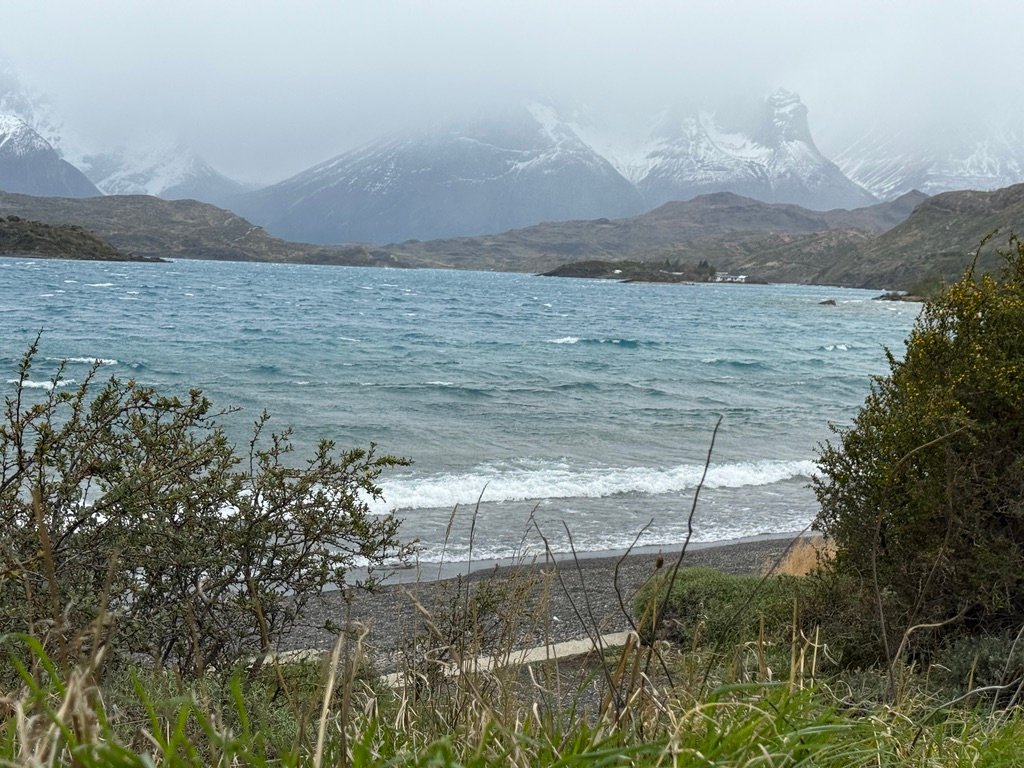
- Turquoise Glacial Lakes: Glacial lakes (Lago Pehoe, Lago Nordenskjöld, and Lago Argentino) carry a distinctive turquoise color produced by fine glacial sediment suspended in the water column.
- Andean Steppe: The Patagonian steppe stretches across vast open terrain between the Andes and the Atlantic coast, characterized by golden grasslands, wind-sculpted shrublands, and uninterrupted sky.
- Ancient Beech Forests: Ancient lenga and ñire beech forests cover the lower mountain slopes and valley floors across Torres del Paine and Los Glaciares.
- Fjords and Coastal Channels: Patagonia's western coastline dissolves into a complex network of glacially carved fjords, island channels, and coastal wilderness accessible by luxury expedition vessel.
Wildlife that might be encountered during the visit includes guanacos, Andean condors, pumas, rheas, flamingos, Magellanic penguins, and Magellanic woodpeckers across the distinct ecosystems of Argentine and Chilean Patagonia. Guanacos (wild relatives of the llama) roam freely across the open steppe in large herds, frequently crossing roads and trekking trails within direct view of travelers. Andean condors (the largest flying bird in the Western Hemisphere) soar on thermal currents above the granite tower formations, most visible during midmorning hours when thermals develop along the valley walls. Pumas inhabit the Torres del Paine corridor, with the highest encounter probability during dusk and dawn. Flamingos (Chilean, Andean, and James's flamingo species) gather in shallow alkaline lakes (Laguna Amarga and Laguna Azul) within Torres del Paine, visible from the main park road during vehicle transfers. Magellanic penguins nest in large colonies at coastal Patagonian sites (Punta Tombo and Isla Magdalena), accessible as a dedicated excursion from luxury itineraries. Private guided wildlife tour at dawn and dusk maximizes encounter opportunities, as most Patagonia wildlife are less active during the midday touring hours.
Yes, visiting Patagonia luxury is worth it for first-time travelers. The region's geographic remoteness, unpredictable weather, and complex logistics make professional guidance and premium support valuable. First-time visitors unfamiliar with Patagonia's trail systems, weather patterns, and park regulations benefit directly from private guide expertise that removes the uncertainty and physical risk of independent wilderness navigation. Premium lodge accommodations place first-time visitors inside the national park boundaries, reducing daily travel time and maximizing hours spent on trails and at viewpoints. Patagonia's weather changes rapidly and without warning (strong winds, rain, and snow possible in any season). A Luxury package manages the conditions through real-time itinerary adjustments, proper equipment provision, and contingency plans unavailable to independent travelers. The physical demands of multi-day trekking at the end of the world are significantly more manageable with dedicated logistical support ( meal handling, accommodation transitions, and daily pack weight). First-time travelers who invest in the Patagonia luxury experience consistently report higher overall satisfaction than those who attempt the same destinations independently. The professional support included in the luxury experience converts logistical challenges into a seamless wilderness experience from the first day of the journey.
The typical Patagonia luxury tour itinerary is listed below.
- Day 1 (Arrival in Punta Arenas or Puerto Natales, Chile): Arrival involves private airport transfers, hotel check-in, and an introductory guide briefing covering the itinerary, weather expectations, and equipment.
- Day 2 (Torres del Paine National Park Entry): Private vehicle transfer from Puerto Natales to Torres del Paine (2.5 hours) passes open steppe with frequent guanaco and condor sightings.
- Day 3 (Base Las Torres Trek): The Base Las Torres trek covers 18 kilometers round trip, ascending through lenga beech forest and glacial moraine to the lagoon beneath the three granite towers.
- Day 4 (Valle del Francés Trek): The Valle del Francés trek ascends into Torres del Paine's central valley, surrounded by hanging glaciers, sheer rock walls, and the jagged Cuernos del Paine peaks.
- Day 5 (Grey Glacier Excursion): The Grey Glacier excursion combines a lakeside trek to the glacier viewpoint with an optional private ice trekking experience on the glacier surface (crampons and guide provided).
- Day 6 (Transfer to El Calafate, Argentina): Cross-border private vehicle transfer from Torres del Paine to El Calafate (5 hours) transitions the itinerary from Chilean to Argentine Patagonia.
- Day 7 (Perito Moreno Glacier Visit): Private guided access to the Perito Moreno Glacier delivers exclusive boardwalk views above the 70-meter ice face, with an optional ice trekking experience on the glacier surface.
- Day 8 (Transfer to El Chaltén, Fitz Roy Region): Private transfer from El Calafate to El Chaltén (3 hours), entering the Fitz Roy sector of Los Glaciares National Park.
- Day 9 (Laguna de los Tres Trek): The Laguna de los Tres trek covers 20 kilometers round trip, ascending to the glacial lagoon directly beneath the Fitz Roy spires.
- Day 10 (Cerro Torre Circuit): The Cerro Torre circuit leads through ancient beech forest to the glacial lagoon beneath the needle-like Cerro Torre spire (20 kilometers round trip).
- Day 11 (Rest & Cultural Experience): A scheduled rest day incorporates an optional cultural experience (estancia visit, gaucho demonstration, or Mapuche heritage program) alongside physical recovery.
- Day 12 (Return to El Calafate): Private vehicle return to El Calafate includes an optional afternoon visit to Laguna Nimez for flamingo and waterbird photography.
- Day 13 (Departure): Private airport transfer connects to onward flights toward Buenos Aires, Santiago, or international departure points. The complete Patagonia Luxury Tour concludes in El Calafate, leaving travelers with a full cross-border wilderness experience across two of South America's greatest national park systems.
A Patagonia luxury tour usually takes between seven and fourteen days, with ten to twelve days representing the most popular format across Argentine and Chilean Patagonia. The Seven-day program focuses on a single country (Torres del Paine or Los Glaciares). The ten to twelve-day itineraries balance park systems within a single managed program. Fourteen-day extensions add remote destinations (Tierra del Fuego or the Kawésqar fjord system) beyond the main national park zones. Cross-border transfers (Torres del Paine to El Calafate) add approximately five hours of travel between major destinations. Travelers with fewer than seven days find Patagonia logistically challenging, as flight connections and weather contingency days consume a significant portion of any short itinerary. A minimum of ten days ensures sufficient time for weather delays, rest days, and the full range of experiences defining a complete Patagonia Luxury Tour.
The activities included in the tour are listed below.
- Guided Day Trekking: Certified private guides lead daily treks across primary circuits (Base Las Torres, Valle del Francés, and Laguna de los Tres), managing pace, route selection, and weather adjustments throughout.
- Ice Trekking: Travelers trek directly on major Patagonian glaciers (Perito Moreno and Grey Glacier) with crampons, technical equipment, and certified glacier guides provided by the operator.
- Wildlife Excursions: Private excursions target early morning and late afternoon hours across steppe, forest edges, and lakeshores where guanacos, pumas, condors, and flamingos are most active.
- Glacier Viewpoint Visits: Elevated access to the Perito Moreno boardwalks and Grey Glacier shoreline trail delivers extended photography time at glacier locations.
- Estancia Cultural Experience: Estancia visits cover traditional gaucho culture through horsemanship demonstrations, ranch walks, and lamb asado meals at working estancia properties.
- Photography Excursions: Pre-sunrise departures position travelers at key viewpoints (Base Las Torres, Laguna de los Tres, and Cerro Torre lagoon) during optimal natural light conditions.
- Kayaking and Water Activities: Kayaking excursions navigate glacial lakes (Lago Grey and Lago Pehoe), providing water-level perspectives of granite towers and glacier faces unavailable from land trails.
- Cultural and Heritage Programs: Mapuche heritage experiences, gaucho demonstrations, and regional gastronomy tastings are incorporated into rest days and transfer days throughout the itinerary.
A short visit differs from a multi-day trek to Patagonia in ways listed below.
- Assess Trail Coverage. Short visits (one to three days) cover single landmark destinations (Perito Moreno Glacier or Base Las Torres). Multi-day treks complete full circuits (W Trek or O Circuit) across multiple park zones.
- Consider Landscape Variety. Short visits deliver one primary landscape type (glacier or granite tower). Multi-day treks transition through steppe, beech forest, glacial lake, and mountain terrain within a single continuous program.
- Evaluate Wildlife Encounter Opportunities. Multi-day treks accumulate significantly more wildlife encounters across varied ecosystems. Short visits concentrate activity within a single habitat zone and a limited time window.
- Factor in Weather Contingency. Multi-day treks build weather contingency days into the itinerary, allowing flexible rescheduling around Patagonia's unpredictable conditions. Short visits have no buffer for weather delays, missing viewpoints entirely.
- Compare Physical Demand. Short visits suit travelers with limited fitness or time, covering manageable daily distances (five to eight kilometers). Multi-day treks require sustained physical fitness across consecutive high-mileage trekking days (fifteen to twenty kilometers daily).
- Review Accommodation and Logistics. Multi-day treks transition between multiple lodge properties across the park system. Short visits operate from a single base property with day excursions departing and returning each evening.
No, a Patagonia luxury tour cannot be completed in a single day. The region's massive geographic scale, park distances, and travel logistics require a minimum of seven days to deliver a meaningful luxury wilderness experience. Torres del Paine alone sits approximately 110 kilometers from Puerto Natales (the nearest gateway town), consuming two to three hours of transfer time before the first trekking day begins. Core luxury experiences (Base Las Torres trek, Perito Moreno Glacier, and Fitz Roy massif) each require a full dedicated day, making single-day coverage of multiple destinations physically and logistically impossible. Day visitors to Torres del Paine access only the park's roadside viewpoints and shorter trails, missing the defining multi-day circuit experiences that luxury trekking programs deliver. A minimum of seven days is the shortest itinerary capable of delivering a genuine Patagonia Luxury Tour experience across at least one primary national park system.
The services included in most Pratagonia Luxury tour packages are listed below.
- Private Guided Trekking: Certified private guides lead all daily trekking activities, managing route selection, pace adjustments, and real-time itinerary modifications throughout the program.
- Premium Lodge Accommodations: Luxury lodge accommodations are pre-booked and included across all nights of the itinerary.
- Daily Meals: Full-board meal programs (breakfast, lunch, and dinner) are included at all lodge properties, featuring regionally sourced Patagonian ingredients and curated wine selections.
- Internal Transportation: Private vehicle transfers between airports, gateway towns, lodge properties, and trailheads are fully managed within the package price.
- Park Entry Fees: National park entry fees (Torres del Paine and Los Glaciares) are covered within most luxury packages, with permits pre-arranged before departure.
- Equipment Provision: Technical trekking equipment (crampons, trekking poles, and waterproof gear) is provided for glacier activities and high-exposure trekking sections.
- Emergency Support: Operators maintain emergency evacuation protocols, medical contacts, and satellite communication devices throughout the program in all remote wilderness zones.
Yes, meals are included during a Patagonia luxury tour, with most packages covering full-board dining (breakfast, lunch, and dinner) at all lodge properties. Packed trail lunches are prepared by lodge kitchens and carried during full-day trekking excursions. Dinners feature multi-course menus built around Patagonian lamb, fresh seafood, native berry preparations, and curated Argentine and Chilean wine selections. Meals consumed outside the lodge program (restaurants in Puerto Natales or El Calafate during transfer days) fall outside standard inclusions. Travelers with dietary requirements (vegetarian, vegan, or gluten-free) confirm specific needs with the operator before departure. Full-board inclusion is one of the most practical components of the Patagonia luxury tour package for travelers spending consecutive days in remote wilderness locations.
The types of lodging or camping provided on multi-day treks are listed below.
- Luxury Wilderness Lodges: Premium lodge properties provide heated private rooms, en-suite bathrooms, gourmet dining, and spa facilities within the national park boundaries.
- Geodesic Dome Camps: Insulated geodesic dome accommodations inside Torres del Paine feature private sleeping domes, communal dining areas, and hot shower facilities along the park circuit, offering a comfortable eco-lodge experience within the wilderness.
- Private Luxury Tented Camps: Fully equipped private tented camps at remote backcountry locations are deployed, featuring proper beds, portable heating, and catered meals where permanent lodge infrastructure does not exist.
- Circuit Refugios (Upgraded): Standard circuit refugios offer upgraded private room bookings for luxury travelers preferring trail proximity over full lodge-level comfort.
- Estancia Accommodation: Working estancia properties adjacent to Torres del Paine provide ranch-style luxury accommodation combining genuine gaucho culture with premium hospitality.
No, transportation from Cusco or Ollantaytambo to Patagonia is not included. Cusco and Ollantaytambo are located in Peru, several thousand kilometers north of Patagonia in southern Argentina and Chile. Travelers arriving from Cusco book independent international flights connecting through Lima or Santiago to reach the Patagonian gateway airports (Punta Arenas, Puerto Natales, or El Calafate). Most luxury operators specify the nearest international arrival airport as the official program start point, with private airport transfers included from that point forward. Travelers combining Cusco and Patagonia book as separate, consecutive trips within a single extended South America journey. Cusco and Sacred Valley programs are arranged separately in Peru. Patagonia itineraries are operated independently in the southern wilderness of Chile and Argentina, with the two regions often combined into a customized South America luxury journey.
The extras offered in premium or luxury tours are listed below.
- Exclusive Glacier Ice Trekking: Private ice trekking sessions on Perito Moreno and Grey Glacier include personalized guide instruction and extended time on the glacier beyond standard group allocations.
- Private Puma Tracking Excursions: Dedicated puma tracking excursions with specialist wildlife guides operate in early morning hours across Torres del Paine's highest-density puma activity zones.
- Stargazing Programs: Private astronomer-guided stargazing sessions with high-powered telescope equipment take advantage of Patagonia's minimal light pollution and exceptional night sky conditions.
- Spa and Wellness Facilities: Selected lodge properties offer in-house spa treatments, heated pools, and massage services for physical recovery between consecutive trekking days.
- Private Photography Guiding: Dedicated photography guides lead pre-sunrise and golden hour sessions at key viewpoints (Base Las Torres and Laguna de los Tres) for travelers prioritizing landscape photography.
- Exclusive Kayaking Expeditions: Private kayaking on Lago Grey and the Beagle Channel provides water-level access to glacier faces, wildlife colonies, and coastal wilderness beyond land-based trail reach.
Yes, entrance fees to Patagonia luxury tours are included in most packages, covering Torres del Paine (Chile) and Los Glaciares National Park (Argentina). Torres del Paine entrance fees for international visitors range from [$35 to $55] per person during high season (October through March), pre-paid and arranged by the operator. Supplementary permit fees for specific activities (glacier ice trekking and private backcountry camping) may fall outside standard inclusions and require separate confirmation before booking. Travelers should verify the complete list of included and excluded fees during the pre-departure consultation to avoid unexpected costs during the Patagonia luxury program.
The types of Patagonia luxury tickets available are listed below.
- National Park Entry Permits: Entry permits cover access to Torres del Paine (Chile) and Los Glaciares National Park (Argentina), purchased through official park administration channels before or upon arrival at the park gates.
- Glacier Activity Passes: Glacier activity passes grant access to guided ice trekking experiences (Perito Moreno and Grey Glacier), covering equipment rental, certified guide fees, and designated glacier access zones.
- Circuit Trekking Permits: Circuit trekking permits (W Trek and O Circuit) regulate daily visitor numbers across the Torres del Paine trail system, requiring booking through the official CONAF (Corporación Nacional Forestal) reservation platform.
- Refugio and Camp Reservations: Refugio and campsite reservations along the Torres del Paine circuit secure overnight accommodation at designated waypoints (Las Torres, Chileno, and Grey), bookable through the Vertice and Las Torres operator networks.
- Wildlife and Photography Permits: Specialized wildlife and photography permits grant extended access to restricted zones (puma tracking areas and glacier photography platforms) beyond standard visitor boundaries within the national park.
Patagonia luxury tickets work for guided tours by having the tour operator pre-arrange and manage all permits before the program begins. National park entry permits, circuit trekking reservations, glacier activity passes, and refugio bookings are secured as a bundled package during pre-departure preparation. The tickets are assigned to the traveler by name, requiring passport identification at park entry gates and activity check-in points. Operators secure permit allocations months in advance, ensuring confirmed access to high-demand experiences (Base Las Torres sunrise slots and Perito Moreno ice trekking sessions). Supplementary tickets (extended glacier passes) are arranged by the guide on the traveler's behalf during the tour. The fully managed ticketing system represents one of the most practical advantages of booking a guided Patagonia luxury tour over independent travel.
Patagonia luxury tour tickets sell out when international visitor numbers peak during high season months (November to March). Torres del Paine and Los Glaciares National Park experience maximum capacity simultaneously during this period. Circuit trekking permits (W Trek and Full Circuit) sell out three to six months in advance. Base Las Torres sunrise slots fill first among all available permit categories. Perito Moreno glacier ice trekking sessions reach capacity two to four months ahead of the peak December and January window. Luxury lodge accommodations book out six to twelve months in advance for peak season dates (November to March). Early reservation remains the most critical step in securing a complete Patagonia luxury tour program.
A Patagonia luxury tour costs between [$5,000 to $15,000] per person for a standard seven to fourteen-day program, depending on the operator, accommodation tier, and destinations covered across Argentine and Chilean Patagonia. Entry-level luxury programs (single country, lodge-based) start around [$5,000 to $7,000] per person. Mid-tier cross-border programs covering Torres del Paine and Los Glaciares range from [$7,000 to $10,000] per person. Premium fully private programs with helicopter excursions, exclusive lodge properties, and custom itineraries reach [$12,000 to $15,000] per person. Private guided trekking, full-board meals, internal transportation, lodge accommodations, and park entry fees are included in the package. International flights to gateway airports (Punta Arenas or El Calafate) fall outside the standard package and require a separate booking. The Patagonia luxury tour cost reflects the region’s geographic remoteness, limited infrastructure, and the premium service standards maintained throughout the program.
The factors that affect the price of a tour are the accommodation tier, group size, season, and itinerary length. Accommodation tier is the single largest cost variable. Premium lodge properties command higher nightly rates than standard circuit refugios or mid-tier lodge options. Group size also affects per-person pricing directly. Private tours distribute fixed guide, vehicle, and logistics costs across fewer travelers than group departures. High-season dates (November through March) carry peak pricing across lodge properties, permit categories, and activity bookings throughout Chilean and Argentine national park systems. Itinerary length adds proportional accommodation, meal, and guide costs, which apply for each additional day beyond the base program duration. A cross-border program covering Argentina and Chile incurs higher transportation, permit, and logistics costs than single-country itineraries focused on one national park system.
Yes, there are price differences between group tours and luxury tours. Standard group tours (eight to twelve participants) range from [$2,000 to $4,000] per person for a seven to ten-day program, sharing guide fees, vehicle costs, and refugio accommodations across the full group. Luxury private tours for the same duration range [$5,000 to $15,000] per person, driven by exclusive lodge accommodations, dedicated private guides, and fully customized daily itineraries. The price gap widens further when premium extras ( private glacier sessions) are added to the luxury program. Group tours follow fixed departure dates and standardized itineraries, while Patagonia luxury tours offer flexible scheduling, personalized route adjustments, and accommodation standards unavailable at group tour price points.
The Optional add-ons that can change the tour costs include private glacier ice trekking, puma tracking excursions, stargazing programs, kayaking expeditions, and spa or wellness treatments. Exclusive private glacier ice trekking sessions at Perito Moreno or Grey Glacier typically add [$150 to $300] per person beyond standard glacier entry. Private puma tracking excursions with a wildlife expert add [$200 to $400] per person per session. Stargazing programs with private astronomer guides and telescope equipment add [$100 to $200] per person for every session. Kayaking expeditions on Lago Grey or the Beagle Channel add approximately [$150 to $350] per person per excursion. The spa treatments and wellness sessions at premium lodge properties can add around [$100 to $300] per person per treatment. Travelers must confirm all selected add-on costs during the pre-departure consultation to ensure a complete and accurate total program budget.
You should book your Patagonia luxury tour six to twelve months in advance for peak season travel (November through March). Advanced booking secures preferred lodge accommodations, circuit trekking permits, and activity bookings before they reach capacity. Premium lodges open the peak season availability twelve months ahead, with the most sought-after dates filling within weeks of release. Circuit trekking permits (W Trek and O Circuit) open for booking six months in advance through the official CONAF platform, selling out within days for peak December and January dates. Low season travel (April through October) allows shorter booking lead times of three to six months, with greater availability across lodge properties and permit categories. Travelers combining Patagonia with a Cusco or Sacred Valley program must book the complete South America itinerary simultaneously to align flight connections, permit dates, and the operator schedules across the two destinations.
Yes, booking in advance is required for Patagonia luxury tours. The combination of limited lodge capacity, restricted circuit permits, and high international demand makes last-minute availability virtually nonexistent during peak season. Torres del Paine circuit permits (W Trek and O Circuit) sell out months ahead of peak dates and cannot be purchased at the park gate without prior reservation. Premium lodges operate at full capacity throughout high season, with no walk-in accommodation available across any night of the peak travel window. Low season months (April through October) offer greater last-minute availability but still require a minimum of four to six weeks advance booking to secure consistent guide assignment and lodge transitions. Advanced booking protects the traveler's preferred dates, guarantees permit access, and locks in current pricing before seasonal rate increases apply to the following year's Patagonia luxury tour program.
The best time to visit Patagonia luxury is during the dry season months (October through March), when longer daylight hours, milder temperatures, and the most stable trekking conditions align across Torres del Paine and Los Glaciares National Park. Peak summer months (December and January) deliver the warmest temperatures and the longest days, but also the highest visitor numbers and the most competitive permit availability across all luxury programs. Shoulder season months (October, November, and March) offer a strong balance of favorable weather, reduced crowds, and greater lodge and permit availability compared to the December and January peak window. Winter months (June through August) bring shorter days, snowfall at higher elevations, and partial trail closures across the Torres del Paine circuit, though select luxury operators offer exclusive winter programs for travelers seeking dramatic snow-covered landscapes and near-total wilderness solitude. Autumn months (April and May) turn the lenga beech forests deep red and orange, creating a visually striking landscape photography condition in Patagonia.
Yes, there are seasonal closures for Patagonia tours. Winter months (June to August) affect specific trails, campsites, and activity zones across Torres del Paine and Los Glaciares National Parks. The Full Circuit trek in Torres del Paine closes partially during winter due to snow accumulation and ice on the remote back side of the massif. The snow restricts access to the less-visited northern sections of the loop. The refugios and campsite facilities along the W Trek circuit reduce operating hours or close entirely between May and September, limiting overnight accommodation options for multi-day trekking programs. Glacier ice trekking on Grey Glacier operates year-round, though winter conditions restrict access to specific sections of the glacier surface beyond standard visitor zones. Los Glaciares National Park remains open year-round, with the Fitz Roy and Cerro Torre trail networks accessible in winter. Traveling on the summit approach requires additional technical equipment and guide expertise during the snow season. Itineraries around known seasonal closure patterns are replaced with closed trail sections, and accessible alternative routes when availing the luxury package during the winter months.
The weather considerations when visiting Patagonia luxury are the strong winds, rapid temperature drop, and simultaneous sunshine and rain in a single day. The Wind is the most consistent weather challenge, with sustained gusts exceeding 100 kilometers per hour in the Torres del Paine steppe and exposed ridgeline sections during spring and summer months. Summer temperatures (December through February) range between 8°C and 18°C (46°F–64°F) at lower elevations, dropping significantly at higher altitude viewpoints (Base Las Torres and Laguna de los Tres) regardless of the season. Rainfall occurs across all months of the year, with the western sectors of Torres del Paine (Grey Glacier zone) receiving higher precipitation due to prevailing Pacific weather systems pushing moisture eastward across the Andes. Layered waterproof clothing, wind-resistant, and UV protection remain essential equipment across every season of the Patagonia trekking, regardless of the departure month or weather forecast at the time of booking.
The transportation options available to reach Patagonia luxury are a combination of international flights, domestic connections, and private ground transfers across Argentina and Chile. The primary international gateway airports serving Patagonia are Punta Arenas (Chile) and El Calafate (Argentina), connected to Santiago and Buenos Aires through regular domestic flight services. Travelers arriving from North America and Europe connect through Santiago (Chile) or Buenos Aires (Argentina) before boarding domestic flights to the Patagonian gateway airports. Flight durations from Santiago to Punta Arenas run three hours, while Buenos Aires to El Calafate takes three to three and a half hours by direct domestic flight. Luxury tour package includes private vehicle transfers from gateway airports to luxury lodge properties and national park entrances. The transfers cover distances of 110 kilometers (Puerto Natales to Torres del Paine) and 80 kilometers (El Calafate to Perito Moreno Glacier).
Cross-border transfers between Chilean and Argentine Patagonia (Torres del Paine to El Calafate) take about five hours by private vehicle, passing through the Cerro Castillo border crossing.
Cross-border transfers between Chilean and Argentine Patagonia (Torres del Paine to El Calafate) take about five hours by private vehicle, passing through the Cerro Castillo border crossing.
Travelers need permits in advance for Patagonia luxury tours. Circuit trekking permits, national park entry, and specific activity bookings all require pre-arrival reservations. Torres del Paine circuit permits (W Trek and O Circuit) are booked through the official CONAF reservation platform. The permits are available six months prior to the trekking date and tend to sell out quickly for peak season slots. The Perito Moreno Glacier ice trekking requires reservations two to four months before peak season dates (December and January). The luxury package includes the National Park entry permits for Torres del Paine and Los Glaciares. Travelers booking independently outside a managed luxury program must secure all permits personally before departure. No walk-in permit availability exists at park gates during peak season months.
Visiting Patagonia luxury is physically demanding, with daily trekking distances ranging from 8 to 20 kilometers across uneven terrain, steep elevation gains, and exposed ridgelines subject to strong winds. Luxury programs help reduce physical strain through private guide pacing, premium lodge recovery facilities, and flexible daily itineraries that are adjusted to the group's fitness level. The remoteness of key viewpoints (Base Las Torres and Laguna de los Tres) requires sustained cardiovascular fitness regardless of the luxury format. The luxury package recommends a baseline fitness level equivalent to regular hiking on varied terrain for two to three hours without significant fatigue. Travelers with limited trekking experience can select shorter daily distances and lodge-based itineraries. Experienced hikers can pursue full circuit programs covering consecutive high-mileage days. Physical preparation before departure directly impacts the quality and depth of the overall Patagonia luxury wilderness experience.
The difficulty level of Patagonia luxury trekking ranges from moderate to strenuous, depending on the specific trails, daily distances, and elevation profiles covered within the chosen itinerary. Moderate trails (Mirador Las Torres approach and Grey Glacier lakeside path) cover 8 to 12 kilometers with manageable elevation gains suited to travelers with basic hiking fitness. Strenuous trails (Laguna de los Tres summit approach and Valle del Francés upper circuit) cover 18 to 22 kilometers . The steep final ascents gain 700 to 900 meters of elevation within the last two to three kilometers. Wind is an additional difficulty variable, having sustained gusts above 80 kilometers per hour, creating physically demanding conditions on exposed ridgelines regardless of trail gradient or distance. The Full Circuit trek adds the remote back side of the Torres del Paine massif, covering consecutive daily distances of 15 to 20 kilometers across five to seven days of sustained physical output. Dedicated luxury guides assess real-time trail conditions and group fitness daily, adjusting Patagonia luxury trekking difficulty by modifying the program (routes, distances, and pace).
How travelers should prepare for altitude and strenuous walking, follow the six steps below.
- Build Cardiovascular Fitness Before Departure. Consistent aerobic training (hiking, cycling, or running) for eight to twelve weeks before departure builds the cardiovascular base required for consecutive high-mileage trekking days. Target sessions of 60 to 90 minutes on varied terrain, progressively increasing weekly distance and elevation gain across the training period.
- Train on Uneven and Hilly Terrain. Patagonia's trails cover rocky moraine, exposed root systems, and steep, loose scree that flat urban walking does not replicate. Training on uneven hillside terrain specifically strengthens the ankle stability, knee control, and hip flexor endurance required for Patagonia's most demanding trail sections.
- Break in Trekking Footwear in Advance. Wearing the intended trekking boots on multiple training hikes before departure prevents blisters and hotspots during the first high-mileage days of the Patagonia program. Waterproof mid-cut or high-cut boots with aggressive outsole grip are recommended for the wet and rocky trail surfaces encountered across national park systems.
- Acclimatize if Combining with High-Altitude Destinations. Travelers combining Patagonia with a Cusco or Sacred Valley program (3,400 to 4,200 meters elevation) allow two to three acclimatization days in Cusco before beginning strenuous trekking. Patagonia itself sits at low to moderate elevation (200 to 1,000 meters), requiring no altitude acclimatization beyond standard physical fitness preparation.
- Pack Wind and Waterproof Layering Systems. Patagonia's wind and rapid weather changes create a wind-chill effect that significantly amplifies physical fatigue during exposed trekking sections. A layered system (moisture-wicking base, insulating mid-layer, and wind-resistant waterproof shell) manages body temperature efficiently across the dramatic daily weather variations of the Patagonian trekking environment.
- Consult a Physician Before Departure. Travelers with cardiovascular conditions, joint injuries, or respiratory health considerations must consult a physician before committing to high-mileage Patagonia luxury trekking programs. Consultation ensures medical clearance for sustained physical exertion across consecutive demanding trekking days.
Yes, it is worth visiting Patagonia luxury despite the physical challenges. The wilderness landscapes, exclusive lodge experiences, and private guided access deliver rewards that directly scale with the physical effort invested across each trekking day. The Base Las Torres lagoon, Laguna de los Tres sunrise, and Valle del Francés glacier panoramas are accessible only on foot. A glimpse of Patagonia's most defining viewpoints is the price for the exerted physical effort. The luxury programs mitigate the physical demands through private guide pacing, premium recovery facilities, and flexible daily itinerary adjustments unavailable in standard group trekking. Travelers who complete moderate luxury trekking programs consistently report the physical challenge as a central and deeply satisfying component of the overall experience rather than a deterrent. The combination of world-class scenery, elite private guidance, and genuine wilderness immersion makes the Patagonia luxury investment worthwhile across all fitness levels within the moderate to strenuous trekking range.
The Essential items travelers should bring to Patagonia luxury are wind-resistant, waterproof clothing, layered insulation, high-grip trekking footwear, sun protection, and personal health supplies. The items protect travelers from harsh weather conditions and physical demands encountered across Argentine and Chilean Patagonia. The Patagonia luxury package provides technical trekking equipment (crampons, trekking poles, and glacier gear), reducing the volume of gear travelers need to transport personally. Personal clothing layers, footwear, sun protection, and medical supplies are the traveler's responsibility across all luxury programs. Packing light but comprehensively is the standard recommendation, as lodge-to-lodge luxury programs eliminate the need to carry overnight camping gear or heavy supply loads during daily trekking. Luggage storage at lodges allows travelers to carry only a light daypack (containing water, snacks, a camera, and weather protection layers) on trekking days. Confirming the full equipment provided in the luxury package before departure prevents redundant packing and ensures all personal gear gaps are identified.
The clothing layers recommended for changing weather are the three-layer clothing system (Base, insulating and outer layer). The three-layer clothing system covers moisture management, insulation, and wind and rain protection across every trekking day, regardless of the season. The base layer (moisture-wicking synthetic or merino wool) manages perspiration during high-exertion ascents. The base prevents the rapid body temperature drop that occurs when sweat-saturated clothing is exposed to Patagonia's strong winds at exposed viewpoints. The mid-layer (fleece or lightweight down jacket) provides insulation during rest stops, summit viewpoints, and early morning departures when temperatures sit well below the midday range. The outer shell (waterproof and wind-resistant hardshell jacket and trousers) blocks Patagonia's sustained wind gusts and rainfall, representing the single most critical clothing item across all seasons and trail conditions. Convertible trekking trousers (zip-off legs) adapt efficiently between cold morning starts and warmer midday trekking temperatures without requiring a full clothing change on the trail. Merino wool base layer socks reduce blister formation during consecutive high-mileage days. Waterproof gaiters protect boot interiors on wet trail sections and snow-covered approaches during shoulder and winter season visits to Patagonia luxury trekking destinations.
The optional gear that improves comfort during the visit is listed below.
- Trekking Poles: Trekking poles reduce knee strain during steep descents (Base Las Torres and Laguna de los Tres) and improve balance on loose scree and wet rock surfaces across national park trail systems.
- Lightweight Down Packable Jacket: A packable down jacket compresses into a daypack pocket and deploys instantly at exposed summit viewpoints where wind-chill temperatures drop significantly below the trailhead conditions.
- High-Quality Sunglasses (Polarized): Polarized sunglasses reduce glare from glacial lakes (Lago Grey and Lago Pehoe) and snow-covered terrain, protecting eye comfort during extended outdoor exposure at Patagonia's high UV radiation levels.
- Microspikes or Lightweight Crampons: Personal microspikes provide additional traction on icy trail sections during shoulder and winter season visits, supplementing the operator-provided glacier crampons reserved specifically for ice trekking activities.
- Portable Power Bank: A high-capacity portable power bank keeps camera batteries, mobile phones, and GPS devices charged across full trekking days, far from lodge power outlets.
- Dry Bags and Waterproof Stuff Sacks: Dry bags protect camera equipment, spare clothing layers, and electronic devices from Patagonia's unpredictable rainfall during exposed trekking sections without access to shelter.
- Blister Prevention Kit: A personal blister kit (moleskin, medical tape, and antiseptic wipes) manages hotspot development during the first high-mileage days before trekking footwear fully adapts to the trail conditions.
- Lightweight Packable Towel: A compact microfiber towel supplements lodge-provided towels for post-trek recovery at properties where shared wellness facilities (saunas and hot tubs) are part of the daily luxury program.
The gear that is prohibited during Pratagonia Luxury tours is listed below.
- Drones: Drone flight is strictly prohibited within Torres del Paine and Los Glaciares National Park boundaries without a special government-issued permit, protecting wildlife from disturbance and maintaining the wilderness character of protected areas.
- Open Flame Devices (Personal Stoves and Campfires): Personal camping stoves and open fires are prohibited across all Torres del Paine backcountry zones following the 2011 and 2005 wildfires. The wildfires destroyed significant portions of the park's native forest. All cooking is managed exclusively through lodge and refugio kitchen facilities along the circuit.
- Single-Use Plastics: Single-use plastic bottles, bags, and packaging are restricted within Torres del Paine under the park's environmental management regulations, with reusable water bottles and fabric bags required across all visitor categories.
- Pets: Domestic animals (dogs and cats) are prohibited within Torres del Paine and Los Glaciares National Park boundaries. The prohibition of domestic animals is to protect native wildlife populations (guanacos, foxes, and ground-nesting birds) from predation and behavioral disturbance.
- Firearms and Hunting Equipment: Firearms, hunting tools, and wildlife trapping equipment are strictly prohibited within national park systems under Argentine and Chilean national park protection legislation.
- Off-Trail Motorized Vehicles: Personal motorized vehicles (ATVs and motorbikes) are prohibited on all trails and backcountry zones within parks, with authorized luxury tour vehicle access restricted to designated road corridors between lodge properties and trailheads.
The best Patagonia Luxury Tours for Beginners are listed below.
- Lodge-Based Torres del Paine Discovery Tour: The Lodge-Based Torres del Paine Discovery Tour covers accessible viewpoints (Mirador Las Torres and Lago Grey shoreline) across daily distances of 8 to 12 kilometers from a single premium lodge base. The fixed lodge format eliminates multi-day pack carrying and accommodation transitions.
- Perito Moreno Glacier Day Experience: The Perito Moreno Glacier Day Experience delivers a private guided boardwalk visit and an optional beginner ice trekking session on the glacier surface. Flat boardwalk terrain and short walking distances make this accessible to all fitness levels.
- Short Torres del Paine Highlights Tour (3–4 Days): The Short Torres del Paine Highlights Tour covers Base Las Torres, Valle del Francés lower section, and Grey Glacier within manageable daily distances across three to four days. Private guide pacing accommodates beginners adjusting to Patagonia's wind and weather conditions.
- Estancia-Based Patagonia Luxury Tour: The Estancia-Based Patagonia Luxury Tour operates from premium estancia properties adjacent to Torres del Paine, combining short guided nature walks, wildlife excursions, and gaucho cultural experiences. Daily trekking distances remain under 10 kilometers, making it the most physically accessible luxury format available.
- Sacred Valley and Patagonia Combination (Introductory Format): The Sacred Valley and Patagonia Combination pairs a Cusco and Sacred Valley cultural itinerary with an introductory Patagonia lodge experience. The package suits beginners seeking South American geographic diversity without the full physical demands of a dedicated multi-day trekking program.
- Full Circuit Torres del Paine Private Trek: The Full Circuit Torres del Paine Private Trek covers the complete O Circuit (130 kilometers over eight to ten days). The remote back side of the massif requires sustained multi-day wilderness fitness.
- Fitz Roy and Cerro Torre Combined Trek: The Fitz Roy and Cerro Torre Combined Trek covers El Chaltén trail circuits within a single private itinerary, targeting Laguna de los Tres and Laguna Torre on consecutive days of 18 to 22 kilometers each.
- Cross-Border Ultimate Patagonia Trek: The Cross-Border Ultimate Patagonia Trek combines the Torres del Paine Full Circuit with the Fitz Roy massif and Perito Moreno Glacier across a fourteen-day private program.
- Off-Trail Private Wilderness Expedition: Off-Trail Private Wilderness Expeditions place experienced trekkers on unmarked backcountry routes beyond standard circuit waypoints, covering remote glacial valleys and ridge traverses inaccessible within standard itineraries.
- Winter Patagonia Private Trek: Winter Patagonia Private Treks operate during June through August across snow-covered trail systems, delivering near-total wilderness solitude unavailable during peak season months.
Yes, short Patagonia luxury tours are available, covering primary highlights within three to five-day private programs. A three-day Torres del Paine highlights program covers Base Las Torres, Grey Glacier, and Lago Pehoe from a single Puerto Natales lodge base. A two-day Perito Moreno program combines the glacier boardwalk visit with private ice trekking and an estancia dinner. A four-day Fitz Roy program covers Laguna de los Tres and the Cerro Torre circuit with premium lodge accommodation and private guide support. Short programs sacrifice cross-border coverage but retain the private guide quality and exclusive wilderness access, defining the Patagonia luxury experience.
Luxury tours that offer premium guides and experience upgrades are the Ultimate Patagonia Luxury Hiking Tour, Luxury Patagonia Hiking and Trekking Experience, and the Exclusive Torres del Paine Luxury Trek. The tours elevate the standard program through specialist expertise and exclusive access. Specialist guide upgrades (wildlife tracking guides, glacier geologists, and Mapuche cultural interpreters) add dedicated expert commentary across specific activity categories. Exclusive sunrise access to Base Las Torres, private glacier platforms at Perito Moreno, and restricted puma tracking zones are available through premium operator partnerships with the national park administration. Dedicated photography guide services and golden hour positioning at key viewpoints (Laguna de los Tres and Cerro Torre lagoon) are available as standalone upgrade additions. Specialists and exclusive site access define the highest available standard of Patagonia luxury.
The tours suitable for families are listed below.
- Family Torres del Paine Wildlife Safari: The Family Torres del Paine Wildlife Safari combines private vehicle wildlife excursions with short accessible walks (5 to 8 kilometers). The tour focuses on guanaco herds, condors, and flamingo lagoons from a single lodge base.
- Family Perito Moreno Glacier Experience: The Family Perito Moreno Glacier Experience delivers the full glacier boardwalk visit and optional beginner ice trekking in a private family setting, with geology commentary adapted to younger travelers.
- Estancia Family Cultural Tour: The Estancia Family Cultural Tour combines gaucho demonstrations (lamb asado meals, short nature walks, and wildlife spotting) within a low-intensity daily program suited for families with young children.
- Family Sacred Valley and Patagonia Combination: The Family Sacred Valley and Patagonia Combination pairs a Cusco and Sacred Valley cultural itinerary with an introductory Patagonia lodge experience within a single extended South American family journey.
- Multi-Generational Torres del Paine Discovery Tour: The Multi-Generational Torres del Paine Discovery Tour accommodates mixed age groups through a fully private lodge-based program with daily activity options scaled to each participant's fitness level.
Yes, tours can combine Patagonia luxury with the Sacred Valley, and are available as extended South America itineraries covering both destinations within a single coordinated private program. The combination pairs Cusco's Inca archaeological sites and highland markets with Patagonia's granite towers, glaciers, and wilderness trekking. Travelers connect both destinations via Lima or Santiago, managing the intercountry flight segment independently or through operator coordination. A typical combined itinerary allocates seven to ten days to the Sacred Valley and Cusco program and ten to fourteen days to the Patagonia tour. The Sacred Valley and Cusco program is managed alongside the southern itinerary, which is bookable as a coordinated Sacred Valley and Patagonia luxury combination.
Travelers should physically prepare for a Patagonia luxury visit or trek by following the six steps below.
- Build Cardiovascular Endurance Early. Consistent aerobic training (hiking, cycling, or running) for eight to twelve weeks builds the cardiovascular base required for consecutive high-mileage trekking days (15 to 20 kilometers). Target sessions of 60 to 90 minutes on varied terrain, progressively increasing weekly distance and elevation gain.
- Train on Hilly and Uneven Terrain. Patagonia's trails cover rocky moraine, loose scree, and steep exposed ridgelines that flat urban walking does not replicate. Training on uneven hillside terrain strengthens ankle stability, knee control, and hip flexor endurance required across the most demanding trail sections.
- Strengthen Core and Lower Body Muscles. Exercises targeting the quadriceps, hamstrings, glutes, and core (squats, lunges, and step-ups) reduce fatigue and joint strain during steep descents (Base Las Torres and Laguna de los Tres). A strong core improves balance on exposed ridgeline sections subject to Patagonia's sustained wind gusts.
- Break In Trekking Footwear Before Departure. Wearing intended trekking boots on multiple training hikes prevents blisters during the first high-mileage days of the program. Waterproof mid-cut or high-cut boots with aggressive outsole grip are recommended for Patagonia's wet and rocky trail surfaces.
- Practice Carrying a Loaded Daypack. Training with a loaded daypack (5 to 8 kilograms) replicates the carrying conditions of full trekking days, conditioning the upper body (shoulders, back, and hip flexors) for sustained load-bearing across consecutive days. Lodge-to-lodge luxury programs reduce pack weight significantly, but backpack training remains relevant for summit approach sections.
- Incorporate Rest and Recovery Days. Scheduled rest days within the training program prevent overuse injuries (knee tendinitis and plantar fasciitis) that compromise trekking performance during the Patagonia program. Adequate recovery between high-intensity training sessions builds sustainable fitness rather than accumulated fatigue before departure.
Travelers can acclimatize to altitude before the trip by following the five steps below.
- Arrive in Patagonia at Least Two Days Before Trekking. Allowing two to three adjustment days in the gateway towns (Puerto Natales or El Calafate) before beginning strenuous trekking gives the body time to adapt to Patagonia's physical demands and weather conditions. Avoiding alcohol, staying hydrated, and resting on arrival day accelerate physical readiness for the first high-mileage trekking day.
- Ascend Gradually Between Elevation Zones. Avoiding rapid elevation gains above 500 meters per day reduces acute mountain sickness risk across the highland itinerary.
- Stay Hydrated. Drinking two to three liters of water daily at altitude prevents dehydration, which significantly amplifies altitude sickness symptoms.
- Consult a Physician About Acetazolamide (Diamox). Acetazolamide, taken under medical guidance before arrival in Patagonia, reduces the severity of acute mountain sickness symptoms (headache, dizziness, and shortness of breath). Travelers with cardiovascular or respiratory conditions should discuss altitude-specific health risks with a physician before booking high-elevation itinerary components.
- Monitor Symptoms and Descend if Necessary. Recognizing acute mountain sickness symptoms (persistent headache, nausea, and disorientation) and descending to a lower elevation immediately prevents progression to more serious altitude-related conditions. Private luxury guides monitor group members for altitude symptoms daily and arrange immediate descent or medical support when symptoms exceed mild discomfort.
To plan your gear and pack for hiking tours, follow the six steps below.
- Confirm the Operator's Equipment Provision List First. Luxury operators provide technical gear (crampons, trekking poles, and waterproof ponchos) for specific activities, preventing redundant personal packing. Confirming the full provision list before departure identifies personal gear gaps without overpacking.
- Pack a Three-Layer Clothing System. A moisture-wicking base layer, insulating mid-layer (fleece or down), and waterproof, wind-resistant outer shell cover Patagonia's full range of daily weather conditions. The layers compress into a daypack and deploy independently as conditions change throughout the trekking day.
- Select Footwear Based on Trail Conditions. Waterproof mid-cut or high-cut trekking boots with aggressive grip outsoles handle Patagonia's wet rock, loose scree, and muddy trail surfaces. Trail running shoes are acceptable for shorter and drier day hikes, but insufficient for multi-day circuit trekking across exposed terrain.
- Pack Light for Lodge-to-Lodge Transitions. Lodge-to-lodge luxury programs store main luggage at each property, requiring only a 20 to 30 liter volume daypack on trekking days. Packing the daypack with water (2 liters minimum), trail snacks, a camera, sun protection, and weather gear covers the full requirements of a standard Patagonia trekking day.
- Include Personal Health and First Aid Supplies. A personal first aid kit (blister treatment, pain relief, anti-inflammatory medication, and rehydration salts) supplements the operator's group's first aid provisions for individual health management during trekking days. Prescription medications, personal sunscreen (SPF 50+), and lip balm with UV protection address individual health needs not covered in the equipment provision.
- Protect Electronics from Wind and Rain. Waterproof dry bags and padded camera cases protect electronic devices (cameras, phones, and power banks) from Patagonia's unpredictable rainfall and dust carried by strong wind gusts across exposed trekking sections. A high-capacity portable power bank keeps devices charged across full trekking days far from hiking tour lodge power outlets.
Yes, special training is needed before hiking Patagonia. The combination of high daily mileage, steep elevation gains, and sustained wind exposure places physical demands beyond casual urban walking or standard gym fitness. The Base Las Torres trek (18 kilometers round trip) and Laguna de los Tres summit approach (20 kilometers round trip with 900 meters of elevation gain) require sustained cardiovascular output and lower-body muscular endurance developed through training. Travelers who arrive without adequate preparation experience reduced enjoyment, higher injury risk, and greater susceptibility to weather-related fatigue across the most rewarding sections of the Patagonia trekking itinerary. A minimum of eight weeks of progressive hiking training on varied terrain represents the baseline preparation standard recommended by most licensed Patagonia luxury operators before the program begins.
The benefits of hiring a Patagonia luxury tour guide are listed below.
- Expert Trail Navigation: Licensed Patagonia guides navigate complex trail systems (Torres del Paine Full Circuit and Fitz Roy backcountry routes). The firsthand knowledge of weather windows, trail conditions, and real-time route alternatives is unavailable on standard trail maps.
- Real-Time Weather Management: Patagonia's unpredictable weather requires immediate itinerary adjustments that experienced guides execute based on firsthand pattern recognition developed across multiple seasons of field guiding in both national park systems.
- Natural History Interpretation: Certified guides provide in-depth commentary on Patagonian geology, glaciology, native flora, and wildlife behavior (puma tracking, condor thermal patterns, and guanaco herd movements) that self-guided trekkers miss entirely.
- Safety and Emergency Response: Licensed guides carry satellite communication devices, group first aid kits, and emergency evacuation protocols, managing health incidents and weather emergencies in remote backcountry zones far from park infrastructure.
- Exclusive Access and Insider Knowledge: Experienced guides secure preferred sunrise slots (Base Las Torres and Laguna de los Tres), restricted wildlife zones, and off-trail viewpoints through operator partnerships with national park administration unavailable to independent visitors.
- Personalized Pace and Itinerary Flexibility: Private guides adjust daily distances, rest stops, and route selections in real time based on the group's physical performance, energy level, and personal interests throughout every trekking day.
- Cultural and Conservation Context: Guides contextualise Patagonia's conservation history (Tompkins Conservation land donations and Patagonia National Park creation) and indigenous Tehuelche and Mapuche cultural heritage within the broader wilderness narrative across the full program.
- Logistical Coordination: Guides manage all daily logistics (trailhead transfers, permit presentations, refugio check-ins, and meal coordination), allowing travelers to focus entirely on the trekking experience without administrative interruption throughout the Patagonia luxury program.
A luxury Patagonia guide costs between [$300 to $800] per day, depending on certification level, specialist expertise, language proficiency, and the operator through which the guide is assigned. Standard certified bilingual guides (Spanish and English) with general Patagonia trail experience range [$300 to $450] per day within group and private tour formats. Senior guides with advanced wilderness certifications, multi-season Patagonia field experience, and specialist natural history knowledge range [$450 to $650] per day within premium private programs. Specialist guides (glacier geologists, wildlife tracking experts, and Mapuche cultural interpreters) command the highest daily rates, ranging from [$600 to $800] per day as dedicated add-on upgrades to base luxury programs. Guide costs are typically bundled within the overall luxury tour package price rather than quoted as a separate daily line item, making direct cost comparison between operators require careful package breakdown analysis. Tipping guides at the end of a multi-day program is standard practice across Patagonia luxury operators. The recommended tip amounts range from [$50 to $150] per traveler per guide per day, depending on program length and overall guide performance.
Yes, a tour guide is required at Patagonia Luxury. The region's geographic remoteness, unpredictable weather, and complex permit logistics make unguided independent trekking risky and logistically demanding across both national park systems. Torres del Paine and Los Glaciares do not mandate guides for standard trail access, meaning independent trekking is technically permitted within designated circuit routes. The off-trail exploration, glacier ice trekking, and restricted wildlife zones require licensed guide accompaniment under national park regulations enforced by both Argentine and Chilean park administrations. Emergency evacuation from remote backcountry sections (Full Circuit back side and Fitz Roy summit approaches) requires satellite communication and professional wilderness response coordination that unguided travelers cannot independently manage. Luxury operators assign certified guides as a standard program component, removing the guide requirement decision entirely from the traveler's planning process. The combination of safety, logistical management, and interpretive depth that a licensed guide provides is the defining feature of a genuine Patagonia luxury tour experience.