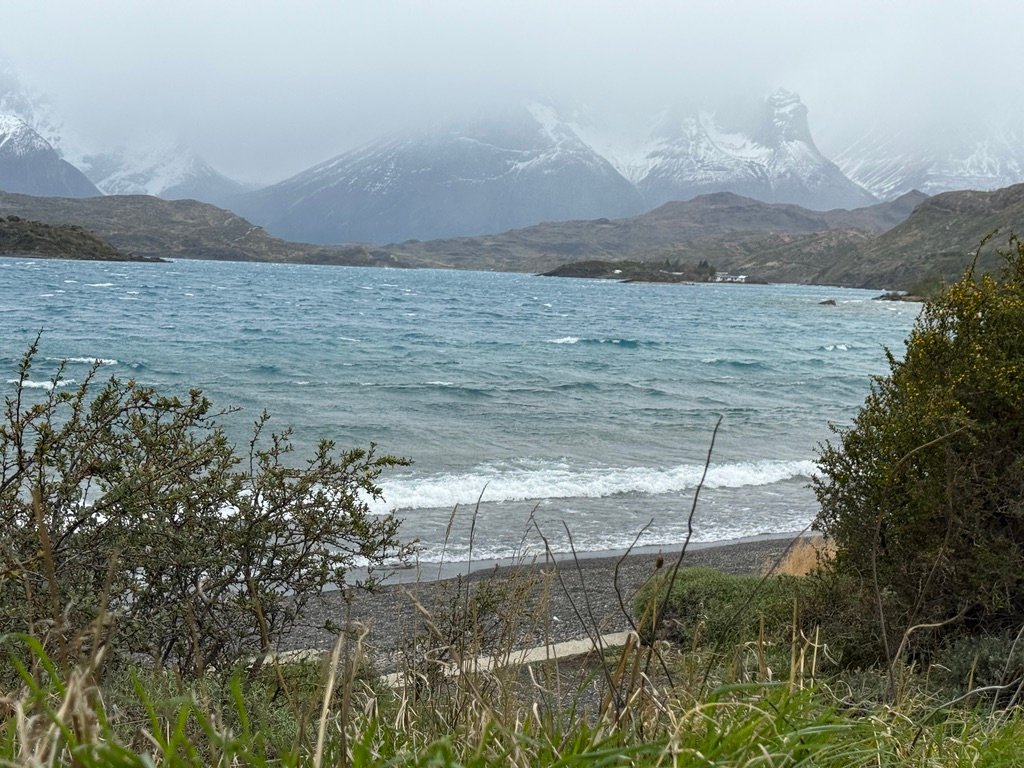
Patagonia trip booking refers to the process of securing necessary permits, accommodations, and professional guide services for expeditions within the southern regions of Chile and Argentina. Patagonia trip booking requires advance planning due to limited visitor quotas in high-demand destinations (Torres del Paine and Los Glaciares), with permits needing to be secured months in advance. Government regulations stipulate that trekkers must obtain specific entry documents before arrival, and bookings must be made through licensed tour operators who are authorized to handle permits, ensuring compliance with local laws. Travelers are required to provide full personal details, including passport information, and pay non-refundable deposits to secure spots on popular trekking routes. Early booking helps avoid the disappointment of sold-out routes and guarantees access to the most sought-after trails. A successful Patagonia trip begins with securing a reservation through an official licensed operator. Booking requires travelers to select travel dates, choose a trekking route, contact an authorized operator, confirm permit availability, and make payment.
What is Patagonia Trip?
The Patagonia trip is an extensive journey through the southernmost tip of South America shared by Chile and Argentina. The expedition covers diverse landscapes (massive glaciers, granite peaks, and vast steppes). Travelers explore famous sites (Mount Fitz Roy, the Perito Moreno Glacier, and the granite towers of Torres del Paine). Activities range from multi-day treks on the W Circuit to luxury cruises through fjords and ice fields. Remote locations require specialized logistics to ensure safety and comfort in unpredictable wild environments. Travelers witness unique wildlife (guanacos, Andean condors, and rheas) in their natural habitats. Conservation efforts define the travel experience as park authorities strictly regulate human impact on the pristine lands. Journeys begin in gateway towns(Puerto Natales or El Calafate) before heading into deep wilderness areas.
Book Your Inca Train Tour
Fill out the form below to explore suggested Inca train tour packages based on your preferences.
How to Book Patagonia Trip Tour?
To book a Patagonia trip tour, careful planning and attention to detail are essential to ensure a smooth and enjoyable experience. The process includes choosing the best travel dates, selecting a trekking option that suits personal preferences, and securing necessary documents and permits. The most effective way to navigate the region is to work with licensed operators who understand the region's specific challenges. Travelers ensure aspects of the journey are well-prepared and organized by following the outlined steps.
Choose Your Travel Dates
Choosing your travel dates is important for optimizing the experience in Patagonia, as the region's weather and conditions vary throughout the year. The region experiences distinct seasons that impact weather conditions, accessibility, and trekking experiences. The summer months (December to February) provide the most favorable weather with longer days and stable conditions for outdoor activities. Winter (May to September) brings harsher weather, colder temperatures, and potential trail closures in some areas. The factors directly affect the availability of services, routes, and permits, making it essential to plan accordingly.
Select Your Trekking Option
Selecting your trekking option is essential for tailoring the experience to individual preferences and fitness levels. Patagonia offers a variety of treks, ranging from short day hikes to multi-day backcountry expeditions. Popular routes include the W Trek, O Circuit, and treks around the Perito Moreno Glacier. Each trek offers unique scenery, terrain, and difficulty levels, so it’s important to choose one that aligns with physical readiness and desired adventure. Consider the duration, elevation, and required permits to ensure the trek suits specific expectations.
Research Licensed Tour Operators
Researching licensed tour operators is important for ensuring a safe and well-organized trekking experience. Licensed operators are familiar with local regulations, terrain, and weather conditions, providing professional guides and necessary equipment. Look for operators with a solid track record of offering high-quality service, certified guides, and adequate safety protocols. Tour operators specialize in specific treks or regions, so it is important to find one with expertise in the Patagonia route of choice. Reading reviews and comparing packages help identify reputable providers that align with budget and itinerary needs.
Check Permit Availability
Checking permit availability is an important step in planning a Patagonia trip, as trekking routes require permits for access. Certain trails, like the Inca Trail and sections of Torres del Paine, have a limited number of permits issued each year to preserve the environment. Booking permits well in advance is important during peak trekking seasons, as the permits sell out quickly. Operators assist in securing permits, but it is essential to verify availability and ensure that necessary documentation is in order. Plan ahead to avoid disappointment and ensure access to desired trekking routes.
Book and Pay a Deposit
Booking and paying a deposit is a critical step in confirming the Patagonia trip and securing the spot on the trek. Tour operators require a deposit to reserve the place, and the amount varies depending on the trek and the operator. Paying the deposit ensures that the itinerary, accommodation, and permits are finalized. Review the terms and conditions, including cancellation policies, before committing. The final payment is made closer to the departure date, securing necessary arrangements once the deposit is paid.
Provide Required Documents
Providing the required documents is essential to complete the booking process for a Patagonia trip. Tour operators request a valid passport, travel insurance details, and health certificates to ensure the trekker's fitness and safety. Treks require additional documentation (proof of vaccination or emergency contact information). Submit all requested paperwork promptly to avoid delays or complications. Ensure that the documents meet the tour operator’s specifications and deadlines to avoid issues on the day of departure.
Confirm All Details Before Departure
Confirming all details before departure ensures a smooth and hassle-free Patagonia trip. Double-check the itinerary, accommodation bookings, and transport arrangements with the tour operator to ensure everything is in place. Review the trek's requirements, including packing lists and health prerequisites, to avoid any last-minute issues. Verify the accuracy of the provided documents (permits, identification, and insurance coverage). Reconfirming the details ensures that no critical elements are overlooked, providing peace of mind ahead of the adventure.
Booking is required for the Patagonia trip because it helps manage the environmental impact of thousands of annual visitors. Strict daily permits limit the number of hikers allowed on sensitive trails like the O Circuit and W Trek. Park authorities implement these restrictions to prevent soil erosion and protect native plant species from over-tourism. Cultural preservation goals also drive the requirements, as local communities strive to maintain the integrity of their ancestral lands. High global demand creates a competitive environment where spaces fill up months in advance of the trekking season. Peak seasons between December and February see massive influxes of international travelers seeking iconic views. Secured reservations ensure that park facilities like campsites and refugios do not exceed their safe capacity. Authorities verify permits at various checkpoints to maintain order and traveler safety throughout the rugged terrain.
The permit required to book the Patagonia trip is an official entry authorization issued by the National Forest Corporation in Chile or the National Parks Administration in Argentina. The permits grant legal access to specific trekking routes and protected wilderness zones for designated dates. Travelers must possess valid permits for every night spent within national park boundaries to avoid fines or expulsion. Obtaining the documents requires providing full names, passport numbers, and nationality at the time of purchase. Authorized tour operators handle the acquisition process as part of a complete travel package. Limited daily quotas mean the permits function as the primary gatekeeper for popular destinations. Hikers carry digital or printed copies of a Patagonia trip permit to present at ranger stations during the journey.
To check Patagonia trip permit availability, follow the four steps below.
Visit official park websites. Access the digital portals managed by national park authorities to view live calendars. The websites display the remaining spots for specific dates and trail sections.
Contact licensed tour operators. Send inquiries to registered agencies that have direct access to internal booking systems. Operators provide immediate updates on whether preferred dates remain open for group or private treks.
Monitor the Refugio reservation platforms. Check the availability of mountain lodges, which dictates permit status for overnight hikers. park authorities restrict the issuance of corresponding trail permits if the lodges are full.
Review seasonal calendars early. Analyze the availability trends for the upcoming season starting at least six months prior to travel. Early reviews help travelers adjust their itineraries before the most popular slots disappear completely.
No, Patagonia trip tickets are not always available because the demand exceeds the limited daily quotas established by park authorities. Peak months from November to March sell out half a year in advance of the actual travel dates. Spontaneous travelers find no openings for the most famous trekking circuits during the summer season. Park officials prioritize ecological sustainability over tourist volume, leading to fixed caps on visitor numbers. Last-minute cancellations rarely result in immediate openings for the general public due to complex re-allocation rules. Planning early remains the reliable way to guarantee access to the parks during high-demand periods. Travelers seeking flexibility must consider the shoulder seasons of October or April when availability stays slightly higher.
Yes, Patagonia trip permits are strictly limited each day to prevent overcrowding and environmental degradation in protected regions. Authorities set specific numbers for each campsite and trail segment to ensure hiker safety and park integrity. The limits vary depending on the specific route and the time of year. For example, the famous multi-day circuits have much lower daily caps than short day-hiking trails. Exceeding the limits strains the waste management systems and fragile infrastructure of remote mountain areas. Park rangers enforce the quotas by checking permits at every entrance and overnight stay location. Hikers without a valid permit for a specific day face immediate removal from the park area. The management system preserves the wilderness experience for all visitors by maintaining low density on the trails.
No, Patagonia trip permit availability is not always updated in real time across all booking platforms. Argentinian systems and various private refugio operators experience delays in synchronizing their data, while some Chilean park systems offer digital updates. Travelers see available spots on a website that are already taken by a simultaneous booking through an agency. Manual processing of group permits by park offices creates a lag between a booking request and the official update of the public calendar. Relying on a third-party operator provides more accurate information as operators communicate directly with park staff. Confirmations take twenty-four to forty-eight hours to finalize during busy periods. Immediate booking does not always mean immediate permit issuance until the government office verifies the traveler's information.
Travelers should book a Patagonia trip at least six to nine months before the intended departure date. Licensed tour operators secure the necessary permits for major trekking routes like the W or O circuits. Travelers are unable to book the complex permits directly through a single government portal for all components of the trip. Agencies manage the intricate coordination between park entries, campsites, and specialized mountain lodges. The professionals provide essential support by organizing certified guides, porters, and kitchen staff. Support staff handles the logistics of carrying equipment and preparing meals in remote areas. Booking early ensures that the operator finds space for the travelers and the required support crew. Waiting too long results in missing the window for the most experienced guides and better-situated campsites.
You should book in advance for the Patagonia trip at least six months for the shoulder season and up to one year for the peak summer months. Popular mountain lodges, known as refugios, fill up quickly due to their limited beds in high-altitude locations. Early booking allows travelers to secure the exact itinerary and preferred level of comfort. International flights to remote regional airports become more expensive and limited closer to the travel dates. National park authorities release permit quotas on specific dates, and the permits disappear within weeks of being made public. Booking early provides the necessary time to train physically and gather specialized gear for the harsh climate. Reliable agencies require the lead time to finalize all legal documentation and staff assignments. Travelers who plan far ahead enjoy the best selection of dates and route options.
December and January sell out the fastest for the Patagonia trip because the months offer the warmest weather and longest daylight hours in the Southern Hemisphere. February follows closely as a popular vacation month for international and local travelers. The granite peaks are more visible during December and January due to clearer skies despite the persistent wind. Trekkers flock to the region during the window to experience the most stable conditions for mountain crossings. Permits for the Christmas and New Year periods vanish within days of release. March also sees high demand as hikers try to catch the beginning of autumn colors before the cold sets in. Booking for the specific months requires extreme diligence and early financial commitment. Avoiding the peak times offers a better chance of securing permits but brings more unpredictable weather patterns.
To choose dates for the Patagonia trip, follow the four steps below.
Align dates with weather preferences. Select the period between December and February for the highest temperatures and longest trekking days. Choose October or April for cooler temperatures and fewer crowds if physical endurance allows for harsher conditions.
Check permit release cycles. Monitor the official announcements from national park authorities regarding when the booking window opens for the next season. Aligning a trip with the start of the permit cycle increases the chances of securing desired dates.
Account for international flight schedules. Verify the frequency of flights to Punta Arenas or El Calafate before finalizing specific travel dates. Ensure that arrival times allow for mandatory pre-trek briefings and equipment checks in gateway towns.
Consider seasonal wildlife patterns. Pick dates in late spring if seeing young guanacos and blooming wildflowers remains a priority for the group. Research specific animal migration or nesting times to increase the natural experience of the journey.
No, certain days of the week are not easier to book for a Patagonia trip because the duration of the treks spans multiple days. Hikers begin five-day or eight-day circuits, meaning a Tuesday start occupies the same campsites as a Monday start later in the week. The high demand remains constant throughout the peak season, regardless of the specific day of the week. Weekend starts see a slight increase in local day-hikers, but permit quotas for multi-day treks remain fixed and full. National parks operate on a continuous cycle during the open season with no designated "off days" for trail access. Travelers find that total availability depends more on the month than on the specific day a trek commences. Every day within the peak window hits its maximum capacity months before the season begins.
Weather and season affect the available dates by determining when trails remain safe for public access. Park authorities close high-altitude passes and remote circuits during the winter months due to heavy snow and extreme winds. Day hikes are limited during the coldest parts of the year. The official trekking season runs from October to April, when the Patagonia trip weather allows for consistent mountain travel. Storms or heavy rain cause temporary trail closures even during the summer, leading to shifts in available permits. Colder months see a significant reduction in staff at mountain refugios, which further limits the number of overnight spots. Travelers must plan around the seasonal windows to ensure the parks are fully operational. Harsh conditions in late autumn lead to early closures of the most challenging routes.
The information required to book the Patagonia trip includes comprehensive personal details to satisfy government regulations and insurance requirements. Travelers must provide their full legal names exactly as they appear on their passports. Correct passport numbers and expiration dates are mandatory for the issuance of official park permits. Authorities require nationality and date of birth to track visitor demographics and age-related permit discounts. Agencies ask for dietary restrictions and medical history to ensure safety during remote trekking sections. Emergency contact information remains a standard requirement for participants entering wilderness zones. Specific details about arrival and departure flights help operators coordinate logistics and transfers. Providing accurate data at the start prevents delays or the risk of permit invalidation at park checkpoints.
Passport details needed for the Patagonia trip booking are listed below.
Full Legal Name: The name provided must match the identification page of the passport without any abbreviations. Park rangers compare the permit to the physical passport at every major checkpoint along the trail.
Passport Number: The unique identifier is used to register the permit in the national park database. Entering an incorrect number results in being denied entry to the park or mountain lodges.
Nationality: Information regarding the country of citizenship determines the type of entry tax or fee required by the government. Certain nationalities have different visa requirements that must be handled before the booking is finalized.
Expiration Date: Passports must remain valid for at least six months beyond the intended date of departure from the country. Authorities check the date to ensure the traveler remains in legal status throughout their stay.
No, you cannot change personal details after booking due to the strict security and administrative policies of the national park authorities. Permits are non-transferable and linked permanently to the passport number provided during the initial reservation. The name and identification details must not be edited or reassigned to another person once the government issues a permit. Attempting to use a permit with incorrect details results in immediate forfeiture of the trek without a refund. Private mountain lodges allow minor corrections, but the official park entry documents remain fixed. Travelers must ensure information is 100% accurate before submitting their booking request. Hikers must carry the old and new passports to prove their identity at trailheads if a passport is renewed after booking.
An authorized Patagonia trip tour operator is a business legally registered with the national tourism boards and park authorities of Chile or Argentina. The companies hold specific licenses that allow them to conduct commercial activities within protected wilderness areas. An authorized Patagonia trip tour operator must adhere to strict environmental guidelines regarding waste management and trail etiquette. Authorized status requires proof of comprehensive liability insurance to protect travelers in case of accidents. The operators pay annual fees to the government to support conservation and infrastructure maintenance in the parks. Authorized Patagonia trip tour operators are the entities permitted to book certain high-demand campsites and refugios for organized groups. Travelers verify an operator's status by checking official government registries or asking for their license number. Working with the professionals guarantees that fees contribute directly to the preservation of the landscape.
Yes, you can hike the Patagonia trip without a tour agency for certain routes, but it requires extensive independent planning and logistics management. Independent travelers must secure their own park permits and refugio reservations through multiple separate websites. The process proves difficult because spots sell out within minutes of being released to the public. Solo hikers must carry all their own gear, including tents, stoves, and food, as they lack the support of porters or pre-arranged meals. Navigation requires advanced map-reading skills and experience in extreme wilderness environments with unpredictable weather. Challenging sections, like glacier treks, require hiring a specialized guide for safety reasons, even for independent travelers. Hikers find that the complexity of securing multiple permits makes using an agency a more reliable choice.
Yes, tour operators can reserve permits on your behalf and serve as the most efficient way to secure access to popular trails. Tour operators use professional accounts to access the booking systems of national parks and private mountain lodges simultaneously. The coordination ensures that trail permits match the availability of overnight accommodations. Operators take the traveler's personal information and handle all the administrative paperwork required by the government. Tour operators pay the necessary fees immediately to lock in the reservation before the general public claims the spots. The service simplifies the planning process for the traveler and reduces the risk of making errors during the complex booking steps. The agency provides the traveler with the necessary digital or physical documents for the journey once the process is complete.
The factors that influence the total cost of booking the Patagonia trip are listed below.
Route Selection: Longer circuits like the O Trek cost more than shorter routes like the W Trek due to more days of food and permits. Remote trails require more complex logistics and transportation to reach the starting point.
Accommodation Type: Staying in mountain refugios with beds and hot showers increases the price compared to camping in a tent. Private cabins or luxury eco-camps at the trailheads represent the highest price tier.
Guide Services: Hiring a private certified mountain guide adds a substantial fee for personalized expertise and safety. Group tours distribute this cost among several participants, making the Patagonia trip cost more affordable for travelers.
Equipment Rentals: Travelers who do not bring their own high-altitude gear must pay for professional rentals of tents, sleeping bags, and poles. High-quality technical gear is essential for the region and reflects a significant portion of the total budget.
Seasonality: Prices for services and accommodation peak during the summer months of December and January. Traveling in the shoulder season reduces costs as operators offer lower rates for fewer crowds. The typical range for a complete trek is [$1500−$5000].
The payment options available when booking the Patagonia trip are listed below.
Credit Cards: Major agencies accept international credit cards like Visa and Mastercard for the initial deposit and final balance. The option includes travel insurance benefits and secure encryption for online transactions.
Bank Transfers: Direct wire transfers to local or international accounts remain a common requirement for large group bookings. Travelers must account for bank fees and exchange rate fluctuations when sending funds to South American banks.
Online Payment Platforms: Digital services like PayPal or specialized travel payment portals allow for quick and trackable transfers. The platforms provide an extra layer of protection for the traveler's financial data during the booking process.
Cash Payments: Local operators in gateway towns offer a discount for final balances paid in US Dollars or local currency. Travelers must verify the option in advance, as permits must be paid for digitally before arrival.
The refund policy for Patagonia trip permits is extremely strict and generally follows a non-refundable model once the government issues the document. National park authorities in Chile and Argentina do not return fees for cancellations, regardless of the reason or timing. The permits are tied to specific dates and travelers, making them impossible for the park to resell to other hikers. Tour operators echo this policy in their contracts because the tour operators must pay the government upfront. The money paid for the legal entry permits is lost if a traveler cancels. Travelers are encouraged to purchase comprehensive trip cancellation insurance to recover the costs. Agencies offer a partial refund of their service fees, but the permit portion remains a total loss.
No, Patagonia trip permits cannot be refunded or transferred once the permits have been officially processed by the park authorities. The government systems link each permit to a specific passport number and name to prevent the black market sale of park access. Transferring a permit to another friend or family member is strictly prohibited and enforced at trail checkpoints. The permit simply expires, and the spot remains empty for that day if a traveler does not attend the trek. Park rangers verify identification against the permit list at various stations along the trekking routes. Any discrepancy between the hiker and the registered permit holder results in immediate removal from the park. The policy ensures that the daily visitor limits are managed fairly and accurately by the conservation authorities.
Travelers receive an official confirmation document containing their unique reservation code and trek details after you secure a Patagonia trip booking. The tour operator begins the process of finalizing mountain lodge assignments and assigning a professional guide to the group. Travelers must then focus on physical preparation and gathering the specific gear required for the southern wilderness. A detailed packing list and pre-departure guide are usually provided by the agency to help with planning. A final itinerary with meeting times and locations is sent approximately thirty days before the trip to the participants. Travelers use the time to book their internal flights and any extra nights of accommodation in gateway towns. A mandatory pre-trek briefing occurs the day before the expedition starts to review safety protocols and weather forecasts.
The typical wait time for Patagonia Trip permit approval ranges from twenty-four to seventy-two hours after the booking request and payment are submitted. The delay occurs because tour operators must manually enter traveler data into the government systems and wait for official verification. High volumes of requests slow down the processing time at national park offices during the peak season. The operator receives a digital permit, which the operator then forwards to the traveler once the government approves the application. Mountain lodges require a separate confirmation process that contributes to the total wait time. Travelers must not consider their trip confirmed until they receive the final permit documents or a formal confirmation number. The final approval must be obtained before booking non-refundable international flights.
No, Patagonia trip booking does not include Machu Picchu entry because the two famous destinations are located in different countries, thousands of miles apart. Patagonia sits at the southern tip of Chile and Argentina, while Machu Picchu is located in the Andes Mountains of Peru. Traveling between the two regions requires multiple international flights and several days of transit time. Each site has its own distinct permit system, government regulations, and entry requirements. A reservation for a trek in Torres del Paine has no legal standing or connection to the Inca Trail or other Peruvian landmarks. Travelers wishing to visit both must book separate expeditions and manage two different sets of logistics. Evolution Treks Peru specializes in Peruvian journeys, while Patagonia requires its own dedicated planning and local expertise.