
Best Things to Do in Patagonia
The best things to do in Patagonia include exploring the diverse landscapes of Chile and Argentina, offering a wide range of outdoor adventures. Best things to do in Patagonia involve trekking through rugged mountain ranges, encountering massive ice fields, and experiencing unique wildlife (pumas and Magellanic penguins). Patagonia offers a vast array of outdoor adventures spanning the southern regions of Chile and Argentina. Travelers find world-class trekking opportunities within rugged mountain ranges and near massive ice fields. Glacial navigation provides close encounters with ancient ice formations like Perito Moreno. Wildlife enthusiasts observe pumas, guanacos, and Magellanic penguins in their natural habitats.
High-level travel tips involve packing layered clothing for unpredictable weather patterns and booking accommodations months in advance. Seasonal considerations prioritize the southern hemisphere summer months from December to February for stable conditions. Regional maps highlight the Carretera Austral in Chile and Route 40 in Argentina as iconic road trip paths. Adventure seekers participate in kayaking through marble caves or horseback riding across vast pampas. Strategic planning ensures a seamless experience across the border crossings between the two nations. Explorers discover remote fjords and hidden waterfalls along the southern coastline. Patagonia activities remain diverse enough to satisfy luxury travelers and rugged backpackers alike. Many people consider the granite spires of the south the Best Places to Hike in Patagonia. Visitors find endless things to do in patagonia.
High-level travel tips involve packing layered clothing for unpredictable weather patterns and booking accommodations months in advance. Seasonal considerations prioritize the southern hemisphere summer months from December to February for stable conditions. Regional maps highlight the Carretera Austral in Chile and Route 40 in Argentina as iconic road trip paths. Adventure seekers participate in kayaking through marble caves or horseback riding across vast pampas. Strategic planning ensures a seamless experience across the border crossings between the two nations. Explorers discover remote fjords and hidden waterfalls along the southern coastline. Patagonia activities remain diverse enough to satisfy luxury travelers and rugged backpackers alike. Many people consider the granite spires of the south the Best Places to Hike in Patagonia. Visitors find endless things to do in patagonia.
What are the best national parks that travelers can visit in the Patagonia Region?
The best national parks that travellers can visit in the Patagonia region are listed below.
- Torres del Paine National Park: Granite towers dominate the terrain of a nature reserve in Chile. Hikers follow the famous W Trek to see the base of the pillars. Entry fees change between [$35] and [$50] based on the length of stay. Sunrise light creates a glowing effect on the stone surfaces. Granite spires remain a major draw for Torres del Paine National Park visitors.
- Los Glaciares National Park: Ice sheets cover a large portion of Argentine territory. Perito Moreno Glacier attracts many people due to frequent ice calving events. Boat trips allow a closer look at the massive ice walls. International guests pay [$30] for daily access. Icy terrain makes Los Glaciares National Park a unique destination for explorers.
- Tierra del Fuego National Park: Coastal forests and subantarctic tundra fill the southern park in Argentina. Scenic bays occur where the mountains meet the Beagle Channel. Beaver dams create unique water patterns throughout the wooded valleys. Adult visitors pay approximately [$25] for entrance. The ocean border defines the edge of Tierra del Fuego National Park.
- Laguna de los Tres National Park: Steep paths lead to a glacial lagoon at the foot of Mount Fitz Roy. Trekkers walk from El Chalten to the viewpoint overlooking the blue water. Clear blue water fills the basin created by ancient geological shifts. Trail access remains free for all hikers year-round. The Fitz Roy massif defines the views in Laguna de los Tres National Park.
1. Torres del Paine National Park
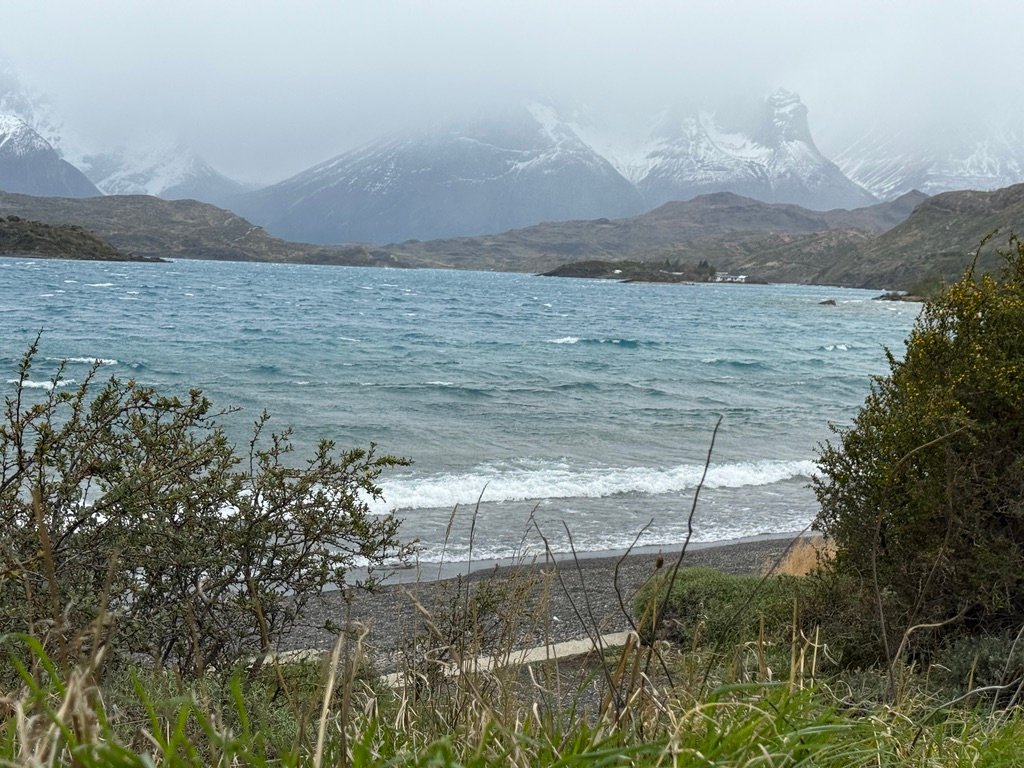
Torres del Paine National Park serves as the premier trekking destination in Chilean Patagonia. The W Trek represents the popular multi-day route connecting the Grey Glacier, French Valley, and the Base of the Towers. Hikers witness the sheer granite spires reflecting in glacial lakes during sunrise at the Mirador Las Torres. Wildlife sightings include condors soaring above the peaks and herds of guanacos grazing in the eastern valleys. Seasonal tips emphasize the importance of high-wind preparation even during the warm summer months. Guided tour options provide logistical support for the O Circuit, which encircles the entire mountain range. Scenic viewpoints like Nordenskjöld Lake offer panoramic vistas of the Cuernos del Paine. Gear recommendations focus on sturdy waterproof boots and high-quality rain shells to withstand sudden storms. Maps indicate a well-maintained network of refugios and campsites for overnight stays. Boat trips across Lake Pehoe facilitate access to the remote sections of the park. Professional guides offer insight into the unique geological formations and local flora. Explorers find the most dramatic landscapes within the heart of Torres del Paine.
2. Los Glaciares National Park
Los Glaciares National Park contains some of the most accessible and impressive ice formations in the Southern Hemisphere. The Perito Moreno Glacier stands as the centerpiece where visitors watch massive ice chunks calve into the water from steel walkways. El Calafate operates as the primary hub for glacier tours, while El Chaltén serves as the trekking capital within the park. Scenic viewpoints at Laguna de los Tres provide iconic reflections of granite peaks on clear mornings. Wildlife observers spot the elusive huemul deer in the dense southern beech forests. Seasonal tips suggest visiting in late spring to avoid the largest crowds while enjoying blooming wildflowers. Guided ice trekking tours allow travelers to walk directly on the surface of glaciers with specialized crampons. Gear recommendations prioritize warm insulating layers and UV protection due to high glacial reflection. Maps outline a variety of day hikes ranging from easy strolls to strenuous vertical climbs. Boat excursions navigate the Upsala and Spegazzini glaciers for perspectives unreachable by land. Argentina protects the landscape to preserve the vital Southern Patagonian Ice Field. Adventurers experience the raw power of nature in Los Glaciares.
3. Tierra del Fuego National Park
Tierra del Fuego National Park marks the end of the Pan-American Highway and offers a unique blend of subantarctic forests and marine scenery. The Coastal Trail follows the jagged shoreline of the Beagle Channel, providing views of remote islands and diverse birdlife. Travelers mail postcards from the End of the World post office located within the park boundaries. Wildlife enthusiasts encounter southern red foxes and diverse waterfowl near the Ensenada Zaratiegui. Seasonal tips highlight the autumn months for vibrant red and orange foliage across the mountain slopes. Guided canoe tours navigate the Lapataia River into the open bays for a different perspective of the landscape. Scenic viewpoints at the end of the road overlook the calm waters of the southern fjords. Gear recommendations include waterproof layers and thermal accessories for the consistently cool and damp climate. Maps show the interconnected trails leading to Lake Roca and the Black Lagoon. The End of the World Train offers a historical journey into the park from the outskirts of Ushuaia. Visitors explore the southernmost reaches of the continent within Tierra del Fuego.
4. Laguna de los Tres National Park
Laguna de los Tres serves as the ultimate destination for hikers seeking the best view of Mount Fitz Roy in Los Glaciares National Park. The trail begins in El Chaltén and climbs through diverse terrain, including forests and rocky moraines. Hikers reach the turquoise lagoon situated directly beneath the towering granite walls of the mountain. Scenic viewpoints along the way offer glimpses of the Piedras Blancas Glacier and the surrounding river valleys. Wildlife in the area includes the Magellanic woodpecker and various raptors nesting in the high cliffs. Seasonal tips advise an early start to witness the mountain glowing red during the sunrise. Guided tours help trekkers navigate the steep final kilometer, which features a significant elevation gain. Gear recommendations emphasize trekking poles for stability on the loose scree slopes. Maps illustrate the connection between the trail and the nearby Laguna Capri loop. Experience at the lagoon provides a profound sense of the scale and majesty of the Andes. Travelers find the physical challenge rewards them with the most famous vista in Argentina. Beauty and solitude characterize the high-altitude environment of Laguna de los Tres.
The towns and cities that serve as gateways to Patagonia adventures are listed below.
- Puerto Natales: Chile utilizes the port city as the primary base for travelers visiting Torres del Paine. Puerto Natales offers numerous equipment rentals and transport hubs for park access.
- El Calafate: Argentina, positions the city near the shores of Lake Argentino as the entrance to the glacier region. Travelers find a major airport and luxury hotels catering to glacier explorers.
- El Chaltén, Argentina, hosts the small village within the borders of Los Glaciares National Park. El Chalten serves as a trekking hub with trails starting directly from the town streets.
- Ushuaia: Argentina claims the city as the southernmost in the world and a gateway to Tierra del Fuego. Ushuaia functions as the main port for cruises heading toward Antarctica.
The outdoor activities travelers can do in Patagonia are listed below.
- Glacier Trekking: Guides lead adventurers across the surface of ancient ice fields using crampons and ice axes. Activity occurs primarily on Perito Moreno and Grey Glacier.
- Sea Kayaking: Explorers paddle through calm fjords and past icebergs in the Chilean lake district. Remote waterways provide a quiet way to observe marine life and coastal glaciers.
- Horseback Riding: Gauchos lead travelers across the vast Patagonian pampas on traditional mountain horses. Cultural experience connects visitors with the history of the region's ranchers.
- Fly Fishing: Anglers visit the remote rivers of the Aysén region for world-class trout and salmon fishing. Lodges provide specialized gear and local knowledge for successful expeditions.
The best Patagonian hiking trails are listed below.
- The W Trek: Chile offers a five-day journey through the heart of Torres del Paine National Park. The W trek connects the famous landmarks of the region into a single route.
- The Mount Fitz Roy Trek: Argentina features the iconic day hike leading to Laguna de los Tres. The trail provides a recognized mountain view in the country.
- Dientes de Navarino: Chile manages the remote trek on the southernmost island of the continent. Dientes de Navarino offers a rugged and uncrowded alternative for experienced hikers.
- Huemul Circuit: Argentina hosts the challenging four-day trek involving river crossings and glacier views. The Huemul Circuit requires advanced navigation skills and high physical fitness. Hikers seek the Patagonia hiking trails for ultimate adventure.
Yes, hikers complete many multi-day treks in Patagonia without professional guides. National parks maintain well-marked trail systems and designated camping areas for independent travelers. Reservations for campsites and refugios remain mandatory during the peak summer months. Independent trekkers carry necessary food, cooking gear, and sleeping equipment. Detailed maps and GPS devices assist in navigation through remote sections. Solo adventurers find safety in the high volume of other travelers on popular routes like the W Trek. Specialized circuits like the Huemul require a permit and a safety briefing from park rangers. Independent travel allows for more flexibility in pacing and daily itineraries. Travelers find the logistics manageable with proper research and advanced planning. Security and self-reliance characterize the independent trekking experience in the south.
Patagonia's weather functions as the most significant variable for travelers planning outdoor activities in the region. Rapid changes occur within minutes as high-pressure systems from the Pacific hit the barrier of the Andes Mountains. Wind speeds exceed one hundred kilometers per hour, making certain ridge walks or boat trips impossible. High precipitation levels in the west create dense rainforests, while the eastern pampas remain arid. Snowfall remains possible throughout the year, even during the peak of the austral summer. Hikers find that clouds obscure major mountain peaks for days at a time. Safety protocols require travelers to carry waterproof and windproof layers at all times. Park rangers close specific trails or ferry crossings when conditions become too hazardous for public use. Cold temperatures at high altitudes necessitate high-quality thermal gear for overnight camping. Sunlight intensity remains high due to the southern latitude, requiring consistent skin and eye protection. Understanding the patterns helps travelers manage expectations and stay safe in the wilderness. Respect for the elements ensures a successful journey through the unpredictable climate.
The best times of year to visit Patagonia are listed below.
- Summer (December to February): This is the peak tourist season in Patagonia. The weather is warmer, with temperatures ranging from 50°F to 70°F (10°C to 21°C). Days are long, offering extended daylight hours for hiking and exploring. It is ideal for outdoor activities like trekking, wildlife watching, and visiting national parks.
- Spring (October to November): Spring offers mild temperatures and fewer tourists. It is an excellent time for wildlife sightings, as many animals are more active during this period. The landscape is lush and vibrant, with blooming wildflowers enhancing the scenery.
- Fall (March to May): Fall is a quieter time with cooler temperatures, ranging from 40°F to 60°F (4°C to 15°C). The autumn foliage colors create stunning views, particularly in areas like Torres del Paine and Los Glaciares National Park. This season is perfect for those looking to avoid the crowds and enjoy peaceful landscapes.
- Winter (June to September): Winter brings colder temperatures, ranging from 30°F to 40°F (-1°C to 4°C). Many tourist services are limited, but it is an excellent time for travelers to visit Patagonia seeking a remote, tranquil experience or winter sports (skiing and snowboarding in certain regions).
The top places to visit in Patagonia for wildlife viewing are listed below.
- Torres del Paine National Park (Chile): Known for its iconic mountains and glaciers, Torres del Paine National Park is home to a diverse range of wildlife, including guanacos, pumas, and Andean condors. The park features a variety of bird species, making it a haven for birdwatchers.
- Los Glaciares National Park (Argentina): Los Glaciares National Park offers excellent opportunities to view species like the endangered huemul deer, condors, and a variety of aquatic birds. The region’s remote landscapes attract sea lions and other marine life along the southern coast.
- Peninsula Valdés (Argentina): A UNESCO World Heritage site, Peninsula Valdés is famous for its marine wildlife. Visitors see southern right whales, sea lions, elephant seals, and penguins. Peninsula Valdés is one of the best places to observe marine mammals in Patagonia.
- Tierra del Fuego National Park (Argentina): Located at the southern tip of South America, Tierra del Fuego National park features unique species (the red fox, wild boars, and several species of birds like the black-necked swan). The park’s rugged coastline is a great spot for observing seabirds and marine mammals.
- Valle Chacabuco (Chile): Part of the Patagonia National Park, Valle Chacabuco is an emerging wildlife destination. Valle Chacabuco is known for the growing population of huemul deer and offers opportunities for birdwatching, including sightings of the elusive Andean condor.
- El Calafate (Argentina): Near the stunning Perito Moreno Glacier, El Calafate offers wildlife viewing along El Calafate’s lakes and rivers. Visitors spot native species (guanacos, armadillos, and a variety of birds, including flamingos and raptors).
To experience Patagonia’s wildlife safely, follow the five steps below.
- Maintain a safe distance. Observe animals from at least twenty meters away to avoid causing stress or defensive behavior.
- Stay on marked trails. Protect fragile habitats and avoid disturbing nesting sites by following designated paths.
- Avoid feeding animals. Prevent the disruption of natural diets and the creation of dependency on human food sources.
- Hire professional guides. Use local experts to find elusive species while ensuring ethical observation practices are followed.
- Secure all trash. Keep food and waste in sealed containers to prevent attracting wildlife to campsites or picnic areas.
Cultural experiences travelers can have in Patagonia are listed below.
- Estancia Visits: Travelers stay on working sheep ranches to learn about the traditional lifestyle of Patagonian ranchers. Gauchos demonstrate shearing techniques and traditional horsemanship.
- Asado Dinners: Visitors participate in slow-cooked lamb barbecues known as asados. Culinary tradition serves as a central social event in the rural communities of Argentina and Chile.
- Welsh Heritage: Argentina hosts several Welsh-speaking towns in the Chubut Valley like Gaiman. Travelers enjoy traditional Welsh tea services in historical tea houses.
- Indigenous History: Museums in Punta Arenas and Ushuaia detail the lives of the Selk’nam and Yaghan peoples. Exhibits focus on the ancient maritime cultures that inhabited the southern fjords.
The seasonal festivals and events that are worth attending in Patagonia are listed below.
- Festival de la Esquila: Chile hosts the sheep shearing festival in Puerto Natales during January. Festival de la Esquila celebrates the ranching culture with music, food, and shearing competitions.
- National Hops Festival: Argentina organizes the event in El Bolsón during February. The National Hops Festival highlights the local agricultural production with parades and live performances.
- Week of the Whale: Argentina celebrates the arrival of whales in Puerto Madryn during June. Educational events and cultural performances focus on marine conservation.
- Snow Festival: Argentina holds the winter celebration in Bariloche during August. Snow Festival features torchlight parades on the ski slopes and traditional wood-chopping contests.
Travelers can plan a luxury or adventure-focused Patagonia trip by following the five steps below.
- Choose the Right Time to Visit. Select the best time for your trip depending on your preferences. The peak season (December to February) offers premium services, luxury lodges, and fine dining for luxury travelers. Adventure seekers prefer the shoulder seasons (October to November, March to April) for fewer crowds and solitude in nature.
- Decide on Your Focus. Choose exclusive experiences (private guided tours, stays at high-end lodges or resorts, and spa treatments) for a luxury trip. Adventure travelers should look for activities (trekking, mountaineering, or kayaking). Patagonia offers types of experiences, with tailored options for luxury or adventure enthusiasts.
- Book Accommodations Early. Luxury travelers should secure bookings at upscale hotels, boutique lodges, or luxury eco-camps in advance. The accommodations offer world-class amenities (gourmet dining and personalized services). Adventure travelers look for comfortable campsites or remote lodges that cater to outdoor explorers, providing all-inclusive packages for expeditions.
- Plan Exclusive or Challenging Activities. Consider private yacht cruises, helicopter rides to view glaciers, or visits to remote parks with guided expert tours for a luxury trip. Adventure-focused travelers should prepare for physically demanding activities (multi-day hikes in Torres del Paine or climbing Mount Fitz Roy). Patagonia is known for offering luxurious indulgences and thrilling outdoor pursuits.
- Arrange Local Transfers and Guides. Luxury travelers hire private drivers and personal guides for seamless transitions between destinations. Adventure travelers explore by local transport or guided group tours, depending on the desired level of engagement. Both options allow travelers to experience Patagonia's natural beauty in comfort and safety.
The gears travelers should bring for the Patagonia adventure are listed below.
- Weather-Appropriate Clothing: Patagonia’s weather is unpredictable, so bring layers that include a moisture-wicking base, an insulating mid-layer, and a waterproof outer layer. A high-quality waterproof jacket and pants will protect against rain and wind. Pack warm clothing, including gloves, hats, and scarves, for colder temperatures if trekking in higher altitudes.
- Sturdy Footwear: Choose durable, waterproof hiking boots with good ankle support for long treks. Comfortable shoes for casual walks and extra socks are essential. Consider bringing gaiters for added protection against mud, snow, or debris.
- Backpack and Hydration System: A comfortable daypack or trekking backpack is essential for carrying gear during hikes. It should have sufficient capacity to hold food, water, and personal items. A hydration system (water bladder or water bottles) is crucial to stay hydrated on long outdoor excursions.
- Navigation Tools: Bring a reliable map, compass, or GPS device to ensure you stay on track during treks. It’s wise to carry a portable power bank to charge navigation devices in more remote areas. Some regions have limited cell service, making offline tools essential.
- Camping Equipment: Bring a lightweight, weather-resistant tent, sleeping bag (appropriate for the season), and a portable stove for travelers planning to camp. A camping pillow, compact cooking utensils, and a multi-tool or knife will be beneficial for self-sufficient adventures.
Solo travelers find Patagonia a safe and welcoming destination with a well-developed infrastructure for independent exploration. Hostels in gateway towns like El Chaltén and Puerto Natales serve as social hubs where travelers meet partners for hiking. Public buses connect major tourist destinations efficiently and affordably. Safety considerations prioritize preparation for the harsh environment rather than crime. Solo hikers inform park rangers or hostel staff of intended routes and return times. Connectivity remains limited in remote national parks, making offline maps and satellite communicators valuable tools. Language barriers are manageable in tourist areas where many service workers speak English. Travelers benefit from learning basic Spanish phrases for interactions in more remote villages. Group tours for activities like glacier trekking or boat trips provide social opportunities. Flexibility in the itinerary allows solo travelers to adjust for weather delays or new recommendations from fellow explorers. The region offers a profound sense of solitude for those seeking quiet reflection in nature. Independence and resilience characterize the solo journey through the southern wilderness.
Travelers can explore Patagonia on a budget by following the five steps below.
- Travel During Off-Peak Seasons. Visiting Patagonia during the shoulder seasons (March to May or September to November) allows travelers to find cheaper accommodations and fewer crowds. The weather is still manageable for outdoor activities, and travelers can experience Patagonia’s beauty at a lower cost compared to the peak summer months.
- Use Public Transportation. Buses are the most affordable way to travel between cities and parks in Patagonia. Buses offer direct routes to major destinations (Torres del Paine or El Calafate). Hitchhiking is another cost-effective option, popular in the region among budget travelers for shorter distances.
- Look for Budget Accommodation. Hostels, campgrounds, and budget hotels offer affordable lodging in Patagonia. Many parks have designated campsites for hikers, which are an excellent option for visitors traveling on a budget. Booking accommodations in advance helps secure the best prices during the busy summer months.
- Choose Self-Guided Tours. Self-guided hikes (W Trek in Torres del Paine) allow travelers to explore without the added cost of a guide. Maps and trail markers are readily available, and hiking is a free activity, offering an immersive experience without the high expense of organized tours.
- Cook Your Own Meals. Food costs add up quickly in remote areas. Buying groceries from local markets and preparing your own meals will save money. Many hostels provide kitchen facilities, making it easy for travelers to cook their meals rather than eating at expensive restaurants.
Yes, Patagonia tours provide access to the best photography spots in the southern hemisphere. Professional guides know the exact timing for the best light on landmarks like Mount Fitz Roy and the Granite Towers. Specialized photography expeditions prioritize sunrise and sunset sessions at remote viewpoints. Boat tours offer unique perspectives of calving glaciers and marine wildlife that are impossible to reach from the shore. Participants benefit from logistical support to reach high-altitude lagoons during the golden hour. Tours include transportation to the most scenic sections of the Carretera Austral or Route 40. Expert knowledge ensures photographers are in the right place when wildlife like pumas or condors appear. Many travelers find that Patagonia Tours maximizes creative opportunities within a limited timeframe.
Yes, extended multi-day expeditions exist for travelers seeking deep immersion in the Patagonian wilderness. Guided treks (O Circuit in Torres del Paine) last up to nine days and cover the entire mountain massif. Mountaineering expeditions to the Southern Patagonian Ice Field require several weeks of technical ice travel and camping. Luxury cruises navigate the remote fjords of Tierra del Fuego over four to five nights. Horseback expeditions across the pampas connect remote estancias over a week of riding. Horseback expedition journeys provide access to areas far beyond the reach of day travelers. Participants experience the raw scale and solitude of the southern continent. Professional outfitters provide necessary logistics, equipment, and safety support for these long-duration adventures.
Chilean Patagonia and Argentine Patagonia offer distinct landscapes and travel experiences despite sharing the southern end of the continent. Chile features a rugged coastline dominated by deep fjords, temperate rainforests, and the dramatic granite peaks of Torres del Paine. The Carretera Austral provides a remote road trip experience through lush valleys and past hanging glaciers. Argentina occupies the vast eastern side of the Andes, characterized by dry pampas, massive lakes, and accessible glaciers like Perito Moreno. El Chaltén serves as a premier destination for vertical granite spires and world-class trekking.
Logistics in Argentina involve long distances across the plains, while Chile requires more ferry crossings and maritime travel. Pricing and infrastructure vary between the two nations, with different currency systems and park regulations. Travelers combine regions by crossing land borders at locations (Río Gallegos or Chile Chico). Chile offers a maritime and forested environment, while Argentina provides the classic mountain vistas of the high Andes. Regions share the same unpredictable weather patterns and a deep gaucho culture. Comparison reveals that each side of the border provides unique geological wonders.
Logistics in Argentina involve long distances across the plains, while Chile requires more ferry crossings and maritime travel. Pricing and infrastructure vary between the two nations, with different currency systems and park regulations. Travelers combine regions by crossing land borders at locations (Río Gallegos or Chile Chico). Chile offers a maritime and forested environment, while Argentina provides the classic mountain vistas of the high Andes. Regions share the same unpredictable weather patterns and a deep gaucho culture. Comparison reveals that each side of the border provides unique geological wonders.