
Patagonia Hiking Trips
Patagonia hiking trips include a wide range of experiences, from short day hikes near mountain towns to multi-day treks through national parks and extended backpacking expeditions in remote areas. Travelers hike well-marked trails leading to famous viewpoints, traverse trekking circuits that require overnight camping, or venture into isolated backcountry zones where self-sufficiency is required. Chilean and Argentine Patagonia offer distinct styles of hiking, with Chile known for structured park systems and Argentina offering flexible trail networks based around small mountain villages.
The region is considered one of the hiking destinations in the world due to its combination of towering granite peaks, massive glaciers, untouched trails, and a powerful sense of remoteness. Patagonia demands respect. Hikers must expect rapidly changing weather, strong winds, long distances, and limited access to services in remote areas. The reward is a raw adventure that delivers solitude, challenge, and striking natural environments on the planet.





Patagonia Hiking Reviews

What is Patagonia Hiking?
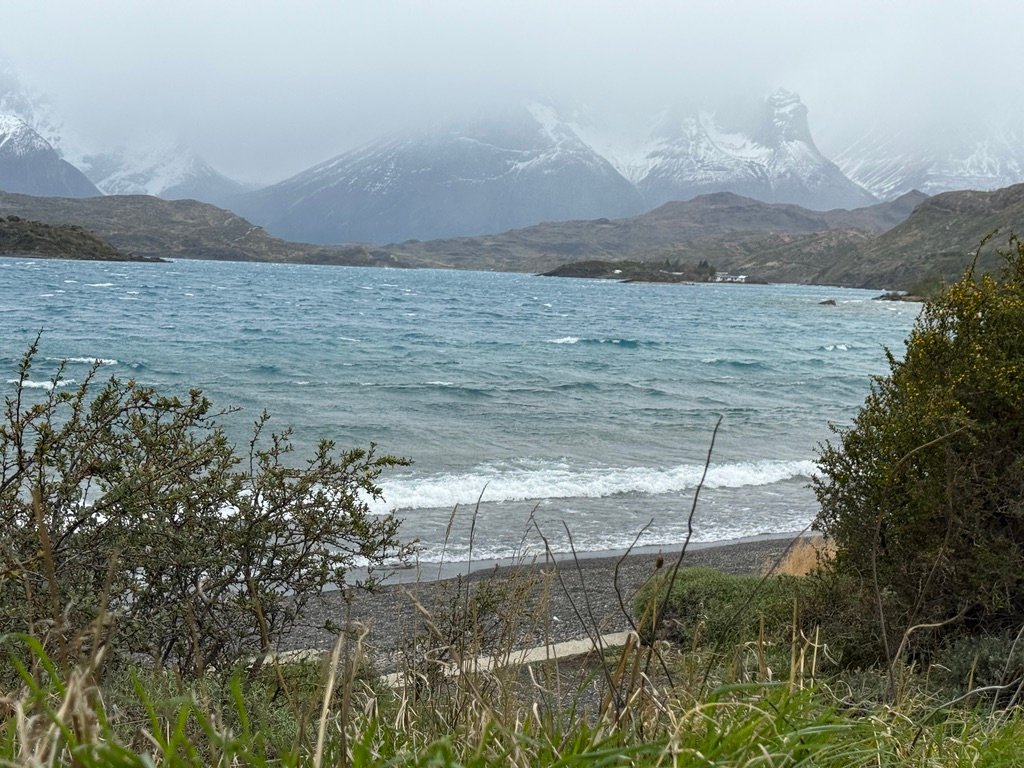
Where is Patagonia Located?
Why is Patagonia One of the Best Hiking Destinations in the World?
Pristine conditions offer a glimpse into the prehistoric past of the Earth. The southern wilderness provides a playground for the adventurous spirit.
Is Hiking in Patagonia Better in Chile or Argentina?
When is the Best Time to Go Hiking in Patagonia?
What is the Best Season for Patagonia Hiking Trips?
What are the Best Hiking Areas in Patagonia?
- Torres del Paine: The national park sits in the Magallanes Region of Chilean Patagonia. Iconic granite peaks and glacial lakes define the terrain. Hikers visit the area for the famous W and O trekking routes.
- Los Glaciares / El Chaltén: The Argentine park hosts the stunning Fitz Roy and Cerro Torre massifs. The village of El Chaltén is a central hub for numerous day hikes. Glaciers and high-altitude lagoons characterize the terrain.
- Perito Moreno and Glaciers: The sector of Los Glaciares National Park features one of the few advancing glaciers in the world. Visitors walk on boardwalks or participate in ice trekking. Massive ice walls collapse into Lake Argentino.
- Tierra del Fuego: The archipelago marks the southernmost tip of the South American continent. Rugged mountains meet the sea at the Beagle Channel. Forests and peat bogs dominate the hiking trails in Tierra del Fuego National Park.
- Aysén / Cerro Castillo: The less-visited region in Chile offers remote wilderness and dramatic basalt spires. The Cerro Castillo National Reserve provides challenging treks away from the main tourist crowds. Glacial rivers and turquoise lagoons dot the mountain terrain.
- Southern Patagonian Ice Field: The massive ice cap is the third-largest continental ice sheet in the world. Specialized expeditions cross portions of the ice field for an extreme mountaineering experience. Remote glaciers and hidden nunataks offer a glimpse into a frozen world.
1. Torres del Paine
Hikers navigate famous multi-day circuits (the W Trek, the O Circuit) to explore the diverse ecosystems. Trails lead through dense southern beech forests and across high mountain passes. Suspension bridges offer views of rushing rivers and deep rocky canyons. Weather patterns change rapidly on sunshine and gale-force winds. Physical endurance remains necessary for the steep climb to the base of the granite pillars. Visitors find world-class facilities, including mountain lodges and campsites. Each journey through the wilderness highlights the rugged beauty of Torres del Paine.
2. Los Glaciares / El Chaltén
Glacial meltwater feeds the rushing waters of the Rio de las Vueltas. Autumn transformations provide red and orange foliage across the valley floor. High-altitude viewpoints (Laguna de los Tres, Laguna Torre) offer direct views of the granite massifs. Remote campsites allow backpackers to experience the transition from pampas to high alpine environments. Mountaineering history defines the character of the small mountain town. Climbers from around the world gather to test skills on the vertical walls. Each trail leads back to the wild spirit of Los Glaciares / El Chaltén.
3. Perito Moreno and Glaciers
Internal drainage systems form deep blue moulins and meltwater rivers inside the glacier. Cold air currents radiate from the three-mile-wide ice front throughout the year. Boat tours navigate around floating icebergs of shapes and sizes. Surrounding subantarctic forests provide a lush green contrast to the white and blue ice. Sunlight reflects off the compressed crystals of the ancient river of ice. Scientific research monitors the movement of the frozen mass. Visitors witness the raw power of nature at Perito Moreno and Glaciers.
4. Tierra del Fuego
Historical sites reveal the presence of the indigenous Yaghan people along the stony beaches. Wildlife sightings (red foxes, steamer ducks, and southern sea lions) occur near the water. Snow remains on the jagged peaks throughout much of the summer season. Silence dominates the remote valleys away from the end of the Pan-American Highway. Dramatic weather patterns bring rain and sun in quick succession. Paths lead through dense thickets of evergreen trees. Each step leads further into the wilderness of Tierra del Fuego.
5. Aysén / Cerro Castillo
Technical sections require crossing loose scree slopes and icy mountain streams. Andean Condors soar on thermal currents above the deep, rocky canyons. Multi-day treks (the Las Horquetas circuit) showcase the transition from lush valleys to barren rock. Conservation efforts protect the habitat of the endangered South Andean Huemul deer. Local culture centers on the tradition of the gaucho and rural life. Rugged beauty defines the terrain of Aysén / Cerro Castillo.
6. Southern Patagonian Ice Field
Trekkers encounter hurricane-force winds and sudden whiteouts on the open ice plateau. Isolated mountain peaks (Nunataks) pierce through the thick layer of compressed ancient ice. Silence remains absolute in the center of the vast white wilderness. Scientific researchers (glaciologists, climate scientists, and earth science teams) monitor the rapid retreat of the ice front due to global temperature changes. Each journey across the ice requires physical and mental resilience. Adventure reaches its peak on the Southern Patagonian Ice Field.
What are the Best Hikes in Patagonia?
- W Trek: The classic multi-day hike runs through Torres del Paine National Park in Chile. Granite towers, glaciers, and turquoise lakes define the route. It is popular for its balance of dramatic scenery and well-developed trekking infrastructure.
- O Circuit: The O Circuit completes a full loop around the Paine Massif. O Circuit. It passes through remote northern sections of the park with fewer hikers. Longer distances and isolation make it a demanding expedition-style trek.
- Laguna de los Tres: The iconic day hike near El Chaltén leads to the base of Mount Fitz Roy. A steep final ascent rewards hikers with close-up views of granite spires. It is one of the photographed hikes in Patagonia.
- Laguna Torre: The trail follows a broad valley to a glacier-fed lake beneath Cerro Torre. The terrain remains gentle, making the route accessible to hikers. Floating icebergs appear near the shoreline.
- Fitz Roy Trek: The multi-day trekking network surrounds Mount Fitz Roy and starts from El Chaltén. Interconnected trails allow flexible itineraries. Alpine lakes, forests, and ridgelines characterize the routes.
- Cerro Torre Trek: The Cerro Torre Trek focuses on extended exploration of valleys near the Cerro Torre massif. Glacial terrain and open plains dominate the hike. The trek emphasizes dramatic mountain profiles rather than steep climbs.
- Mirador Las Torres: The steep day hike leads to the base of the famous Paine Towers. A glacial lake sits directly below the granite spires. Sunrise hikes are popular for clear views and reflections.
- Grey Glacier Trail: The trail follows Lake Grey toward a massive outlet glacier. Icebergs and glacier walls dominate the scenery. Wind exposure adds challenge despite moderate elevation gain.
- Dientes de Navarino: The remote circuit on Navarino Island is one of the southernmost treks in the world. High passes, alpine lakes, and harsh weather define the route. It requires strong navigation skills and full self-sufficiency.
- Cerro Castillo Trek: Located in Chilean Patagonia’s Aysén region, the trek loops through jagged mountain terrain. Steep passes and turquoise lagoons highlight the route. Visitors make it a quieter alternative to Torres del Paine.
Overview of the W Trek Hiking Tour
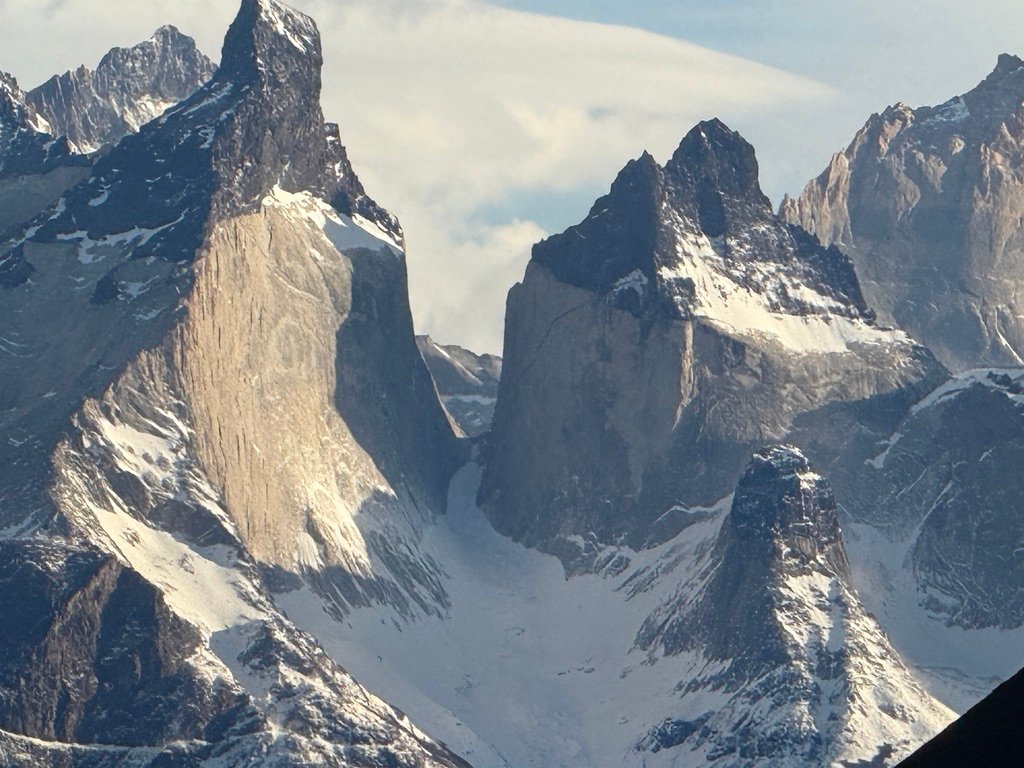
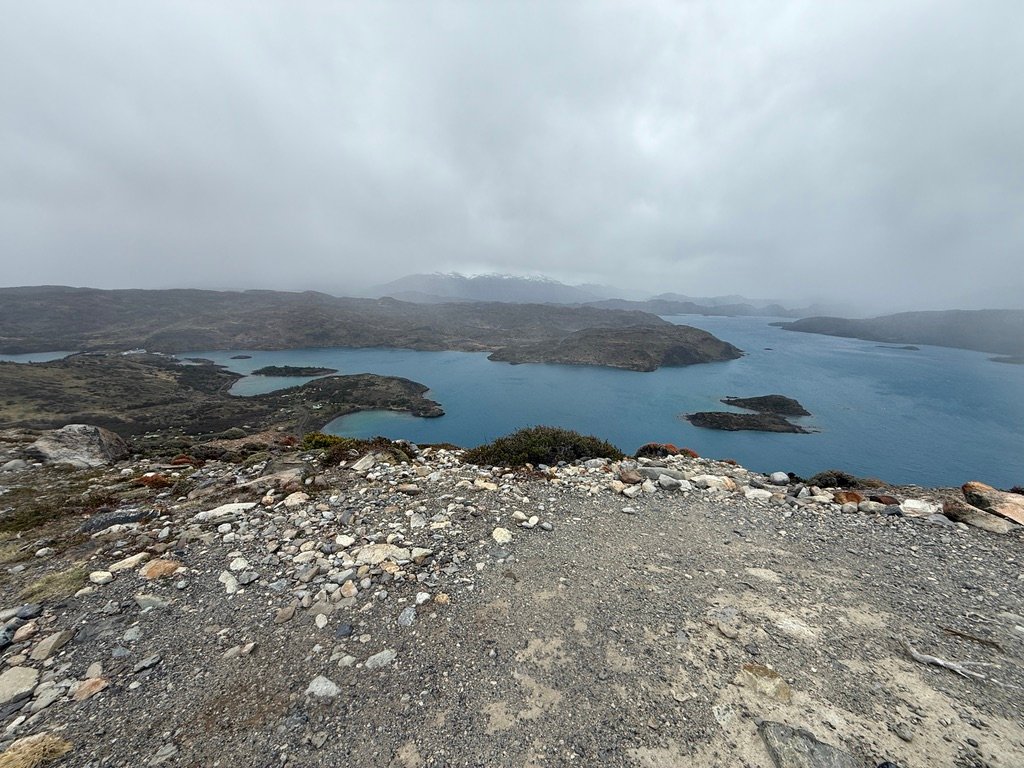
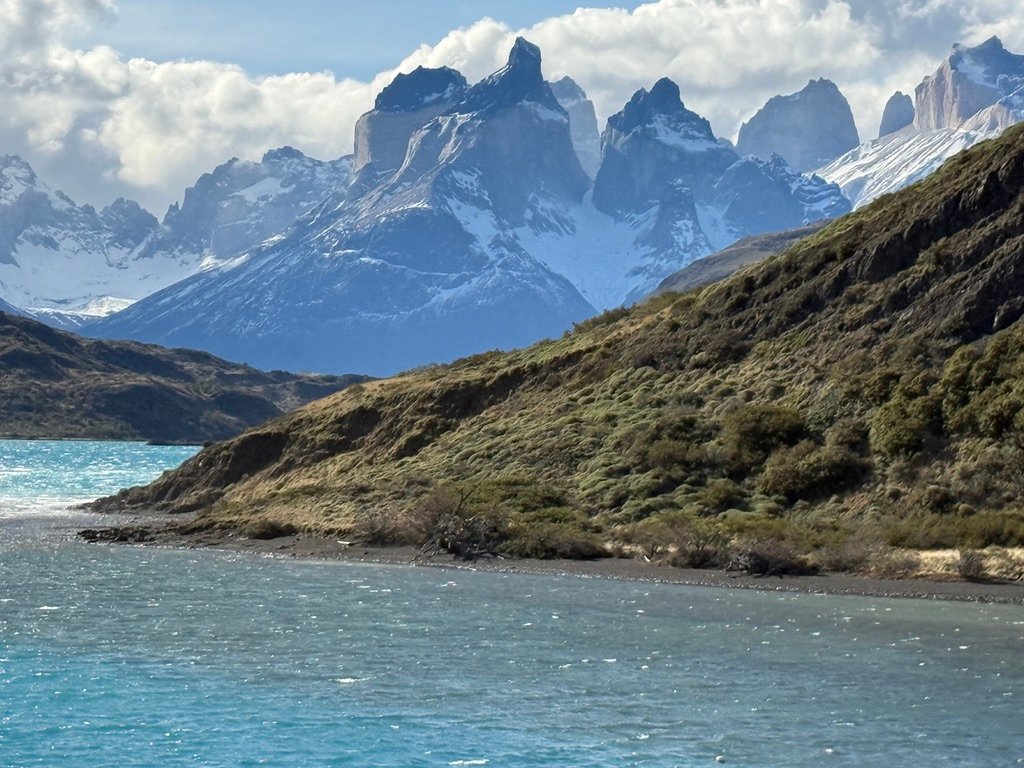
The W Trek is a classic multi-day hiking route located in the heart of Torres del Paine National Park, is regarded as one of Patagonia’s iconic trekking destinations. The route follows a central trail that branches into three major valleys, forming the distinctive “W” shape. Hikers travel past turquoise lakes, massive glaciers, and dramatic granite towers, experiencing a diverse range of terrain and natural features within a relatively compact area over four to five days.
Why This Trek Stands Out
The W Trek stands out because it delivers world-class mountain scenery without requiring technical climbing or advanced mountaineering experience. Well-maintained trails, clearly marked routes, and established refugios make the trek accessible to moderately fit hikers while still offering a sense of adventure. Each day on the W Trek presents a different visual environment, from glacier viewpoints to alpine valleys, ensuring a varied and continuously engaging trekking experience.W Trek Highlights
- Sunrise views at the Torres Base
- Valle del Francés amphitheater
- Grey Glacier viewpoints
- Lake Pehoé crossings
- Frequent wildlife sightings
80 KM
Distance4 to 5 Days
DurationModerate
DifficultyUp to 1,200 meters
ElevationReady to Experience the W Trek?
Join expert guides on this unforgettable Patagonian adventure. Limited spots available for the upcoming season.
Expert Local Guides
All Equipment Included
Small Group Sizes
24/7 Support
Overview of the O Circuit Hiking Tour
The O Circuit is a full-loop trekking route that encircles the Paine Massif in Torres del Paine National Park. Extending beyond the popular W Trek, it leads hikers into the park’s remote northern backcountry, where facilities are limited, and terrain is rugged. Trekkers cross glacial valleys, high mountain passes, and isolated campsites that provide a deeper immersion into Patagonia’s wilderness over seven to nine days.
Why This Trek Stands Out
The O Circuit stands out because it offers a true expedition-style experience with fewer hikers and long, demanding days. The northern section delivers solitude, raw terrain, and unpredictable weather that challenge physical and mental endurance. Completing the O circuit provides a strong sense of accomplishment and access to areas rarely seen by park visitors.O Circuit Highlights
- John Gardner Pass
- Northern ice fields
- Backside of Grey Glacier
- Remote valleys and campsites
130 KM
Distance7 to 9 days
DurationChallenging
Difficulty1,200 meters cumulative gain
ElevationReady to Experience the O Circuit?
Join expert guides on this unforgettable Patagonian adventure. Limited spots available for the upcoming season.
Expert Local Guides
All Equipment Included
Small Group Sizes
24/7 Support
Overview of the Laguna de los Tres Hiking Tour
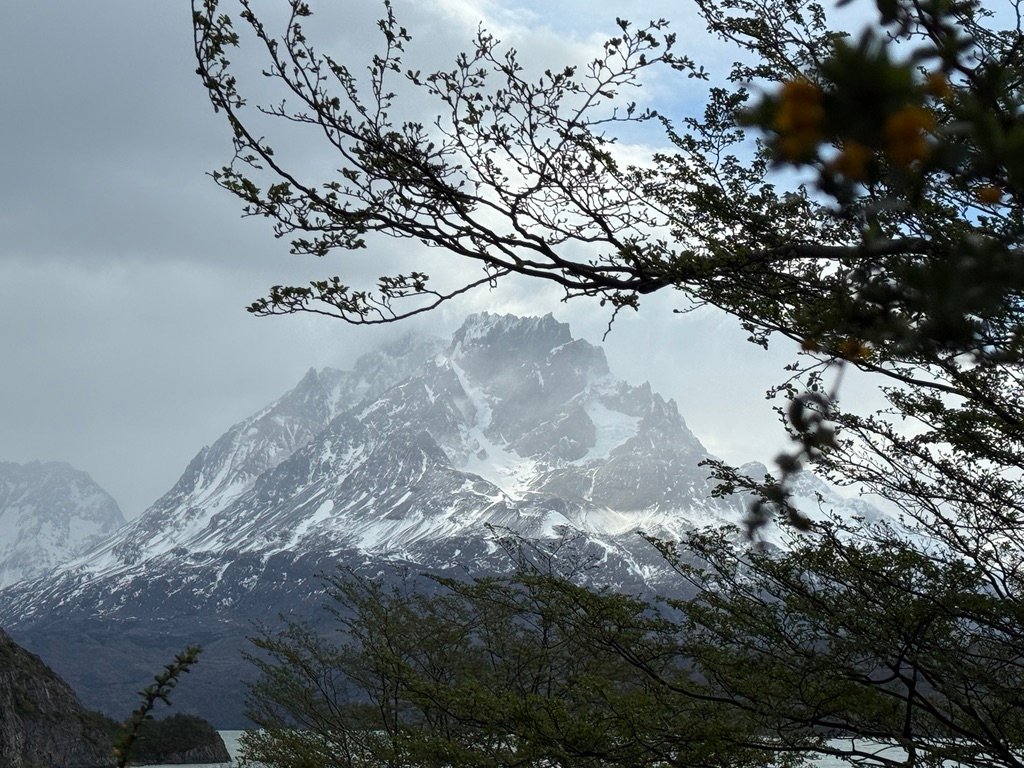
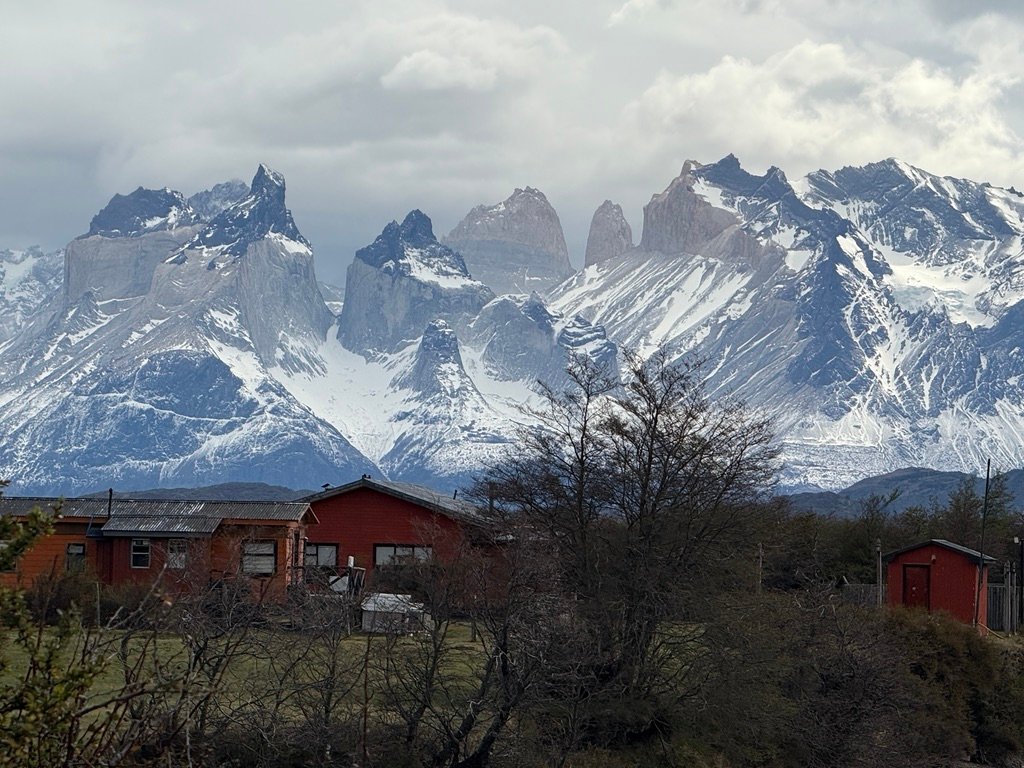
Laguna de los Tres is a demanding day hike that leads to the base of Mount Fitz Roy near El Chaltén. The trail ascends through forested paths and alpine terrain before finishing with a steep, rocky climb. The hike culminates at a glacial lagoon positioned directly beneath towering granite peaks, offering one of Patagonia’s iconic mountain viewpoints.
Why This Trek Stands Out
The Laguna de los Tres stands out because it delivers a world-famous alpine view in a single day. The final ascent is physically challenging but short, making the reward feel especially earned. The accessibility of Laguna de los Tres from El Chaltén makes it a must-do hike for visitors seeking dramatic mountain scenery without committing to a multi-day trek.Laguna de los Tres Highlights
- Fitz Roy North Face
- Steep alpine ascent
- Glacial lagoon views
- Sunrise hiking opportunities
20 kilometers
Distance1 day
DurationModerate to Hard
Difficulty1,170 meters gain
ElevationReady to Experience Laguna de los Tres?
Join expert guides on this unforgettable Patagonian adventure. Limited spots available for the upcoming season.
Expert Local Guides
All Equipment Included
Small Group Sizes
24/7 Support
Overview of the Laguna Torre Hiking Tour
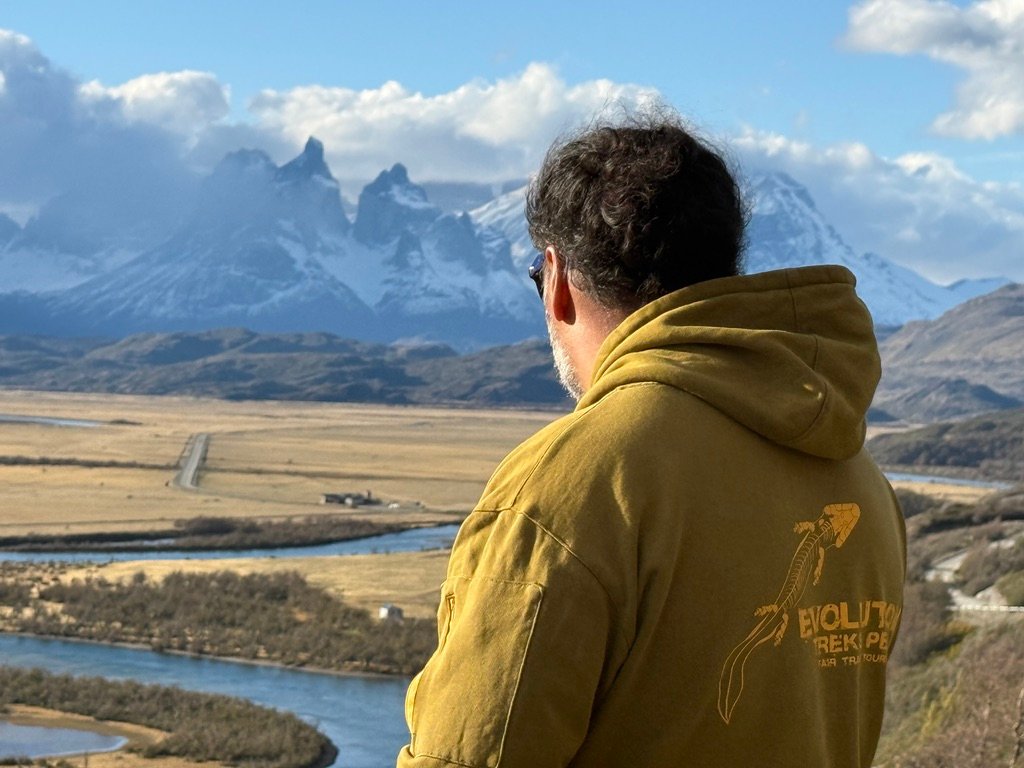
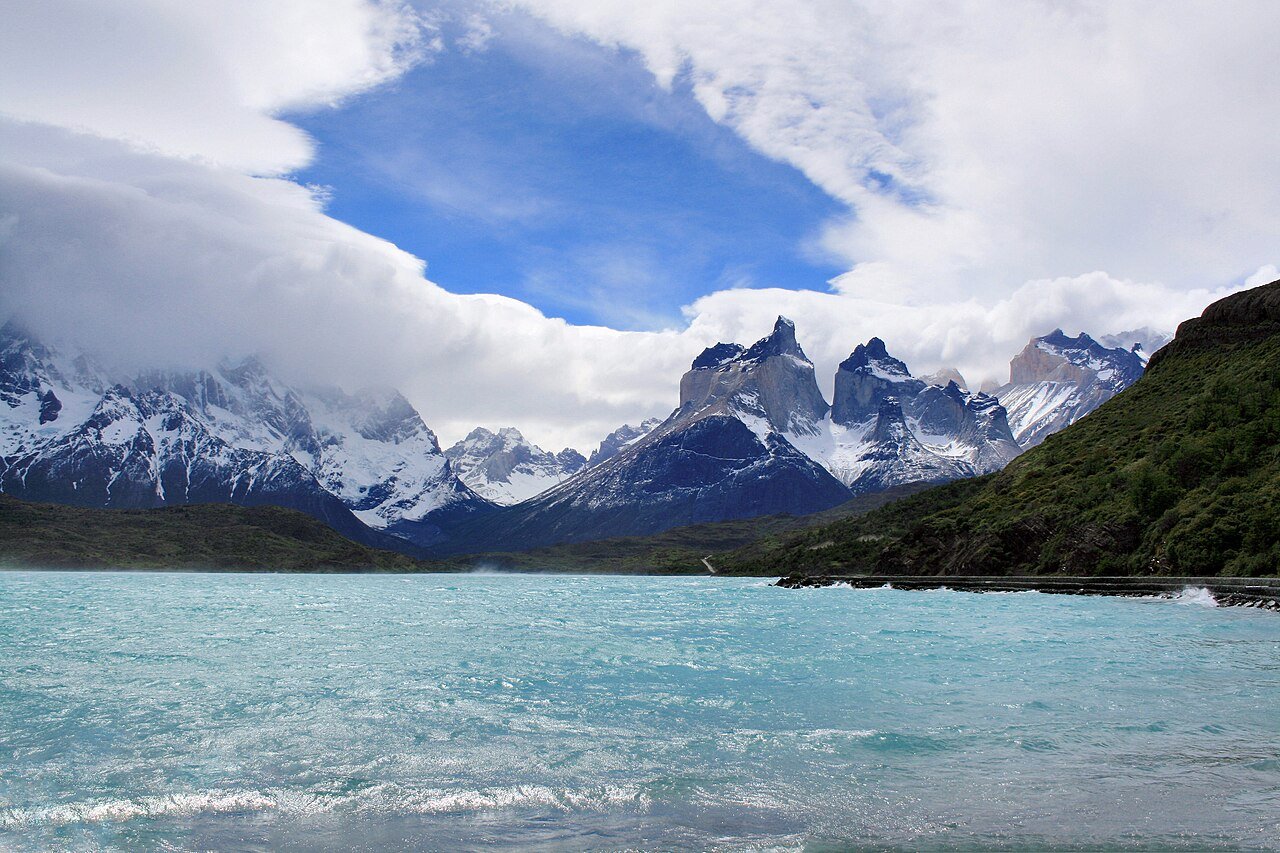
Laguna Torre is a scenic day hike that follows a broad valley toward the dramatic spire of Cerro Torre. The trail maintains an incline, making it less strenuous than other hikes in the area. The route ends at a glacier-fed lake where icebergs float near the shoreline, creating a striking natural scene.
Why This Trek Stands Out
The Laguna Torre stands out for its accessibility and visual payoff without steep elevation gain. The steady terrain allows hikers to enjoy the surroundings without constant physical strain. Laguna Torre is appealing for photographers and people seeking a calmer but still impressive Patagonian hike.Laguna Torre Highlights
- Torre Glacier
- Iceberg-filled lagoon
- Open valley approach
- Cerro Torre skyline
18 kilometers
Distance1 day
DurationModerate
DifficultyAround 600 meters gain
ElevationReady to Experience Laguna Torre?
Join expert guides on this unforgettable Patagonian adventure. Limited spots available for the upcoming season.
Expert Local Guides
All Equipment Included
Small Group Sizes
24/7 Support
Overview of the Fitz Roy Trek Hiking Tour
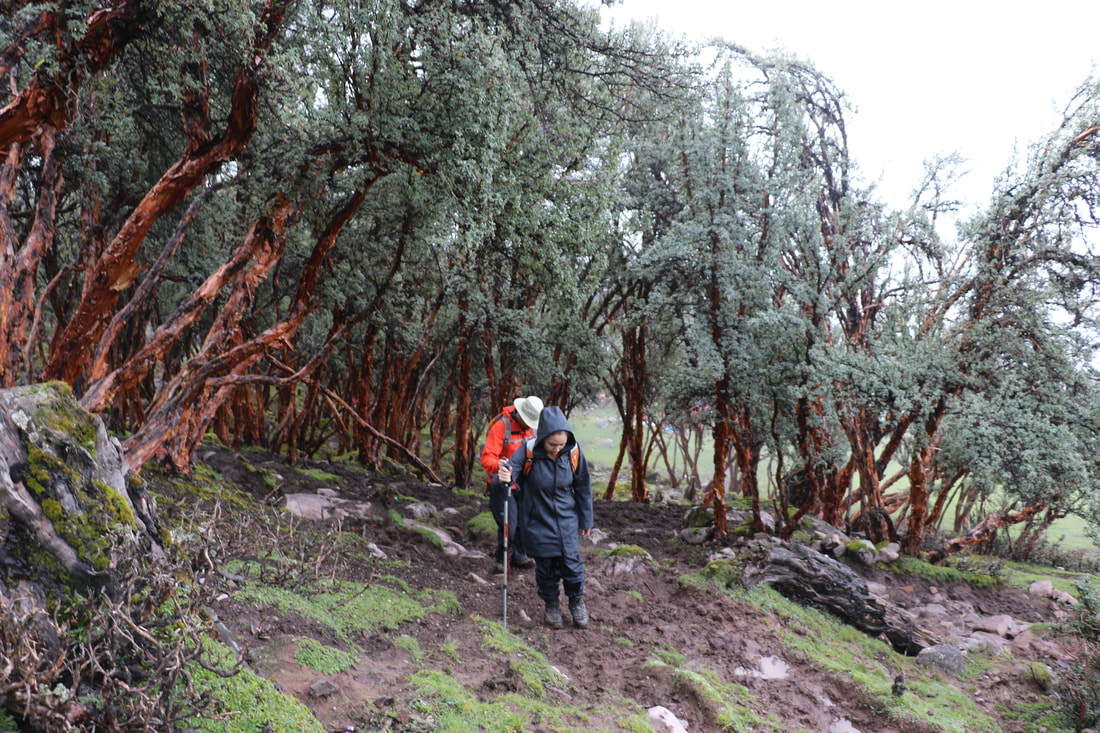
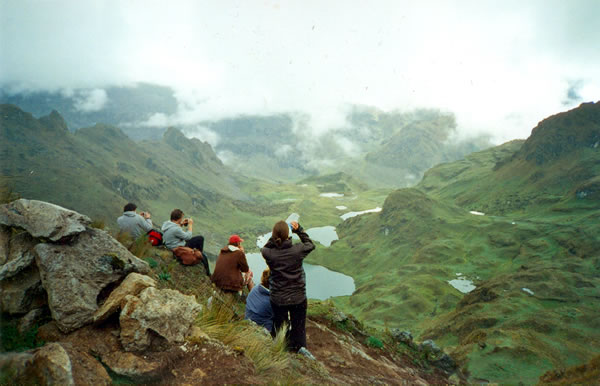
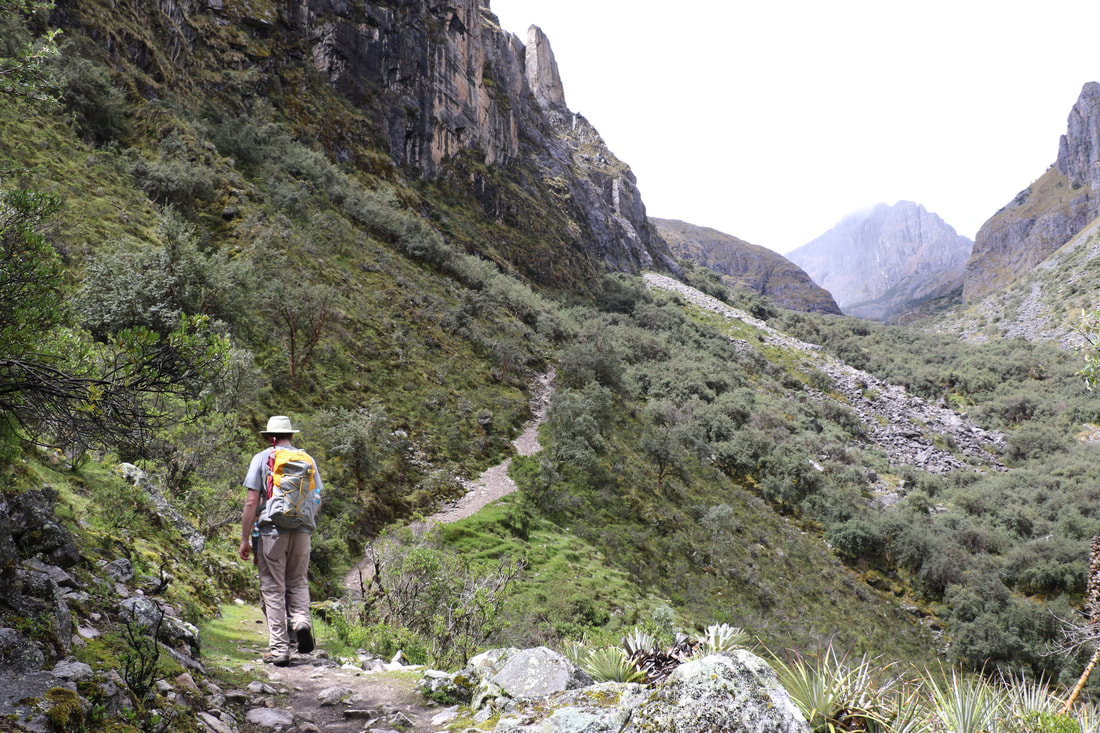
The Fitz Roy Trek refers to a network of interconnected trails surrounding Mount Fitz Roy, with El Chaltén serving as the main base. Hikers combine multiple routes over three to five days, adjusting plans according to weather and fitness levels. The trek explores alpine valleys, glacial lakes, and ridgelines from multiple perspectives.
Why This Trek Stands Out
The Fitz Roy Trek stands out due to its flexibility and variety. Travelers design customized itineraries without relocating camps, making logistics simpler. The ability to choose different routes each day in Fitz Roy Trek allows hikers to experience diverse terrain while staying adaptable to changing conditions.Fitz Roy Trek Highlights
- Laguna Madre & Hija
- Laguna Sucia
- Alpine ridgelines
- Forested valleys
Flexible
Distance2 to 4 days
DurationModerate
DifficultyUp to 1,200 meters gain
ElevationReady to Experience the Fitz Roy Trek?
Join expert guides on this unforgettable Patagonian adventure. Limited spots available for the upcoming season.
Expert Local Guides
All Equipment Included
Small Group Sizes
24/7 Support
Overview of the Cerro Torre Trek Hiking Tour
The Cerro Torre Trek is a single out-and-back route starting from El Chaltén and leading to Laguna Torre at the base of Cerro Torre. The trail follows the Torre River through a wide glacial valley. Hikers complete the trek as a day hike, returning along the same path after reaching the lake viewpoint.
Why This Trek Stands Out
The Cerro Torre Trek stands out due to its flexibility and variety. Travelers design customized itineraries without relocating camps, making logistics simpler. The ability to choose different routes each day on the Cerro Torre Trek allows hikers to experience diverse terrain while staying adaptable to changing conditions.Cerro Torre Trek Highlights
- Laguna Madre & Hija
- Laguna Sucia
- Alpine ridgelines
- Forested valleys
Flexible
Distance2 to 4 days
DurationModerate
Difficultyup to 1,200 meters gain
ElevationReady to Experience the Cerro Torre Trek?
Join expert guides on this unforgettable Patagonian adventure. Limited spots available for the upcoming season.
Expert Local Guides
All Equipment Included
Small Group Sizes
24/7 Support
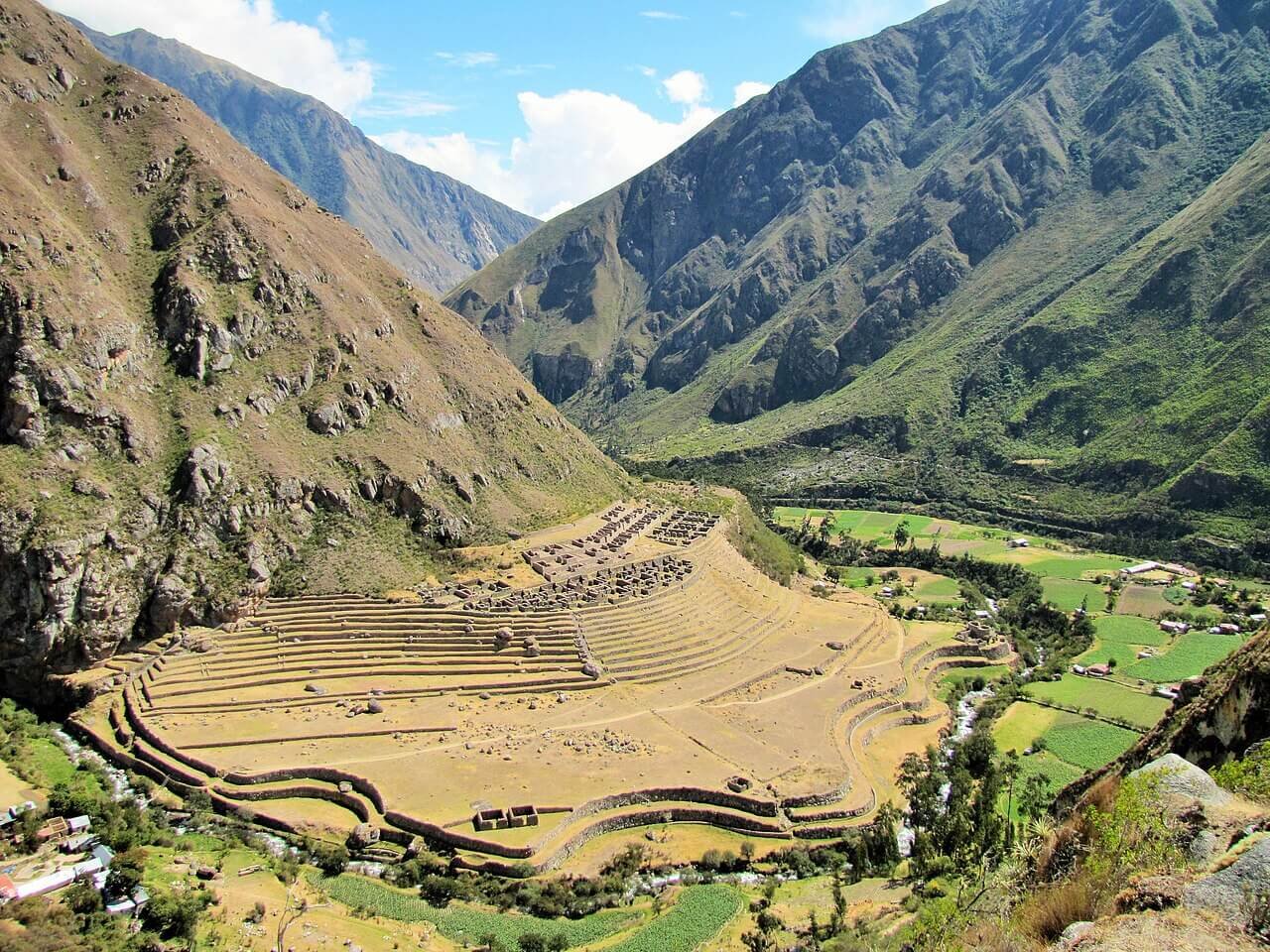
Overview of the Mirador Las Torres Hiking Tour
The Fitz Roy Trek refers to a network of interconnected trails surrounding Mount Fitz Roy, with El Chaltén serving as the main base. Hikers combine multiple routes over several days, adjusting plans according to weather and fitness levels. The trek explores alpine valleys, glacial lakes, and ridgelines from multiple perspectives.
Why This Trek Stands Out
The Mirador Las Torres stands out due to its flexibility and variety. Travelers design customized itineraries without relocating camps, making logistics simpler. The ability to choose different routes each day at Mirador Las Torres allows hikers to experience diverse terrain while staying adaptable to changing conditions.Mirador Las Torres Highlights
- Laguna Madre & Hija
- Laguna Sucia
- Alpine ridgelines
- Forested valleys
Flexible
Distance2 to 4 days
DurationModerate
Difficultyup to 1,200 meters gain
ElevationReady to Experience the Mirador Las Torres?
Join expert guides on this unforgettable Patagonian adventure. Limited spots available for the upcoming season.
Expert Local Guides
All Equipment Included
Small Group Sizes
24/7 Support
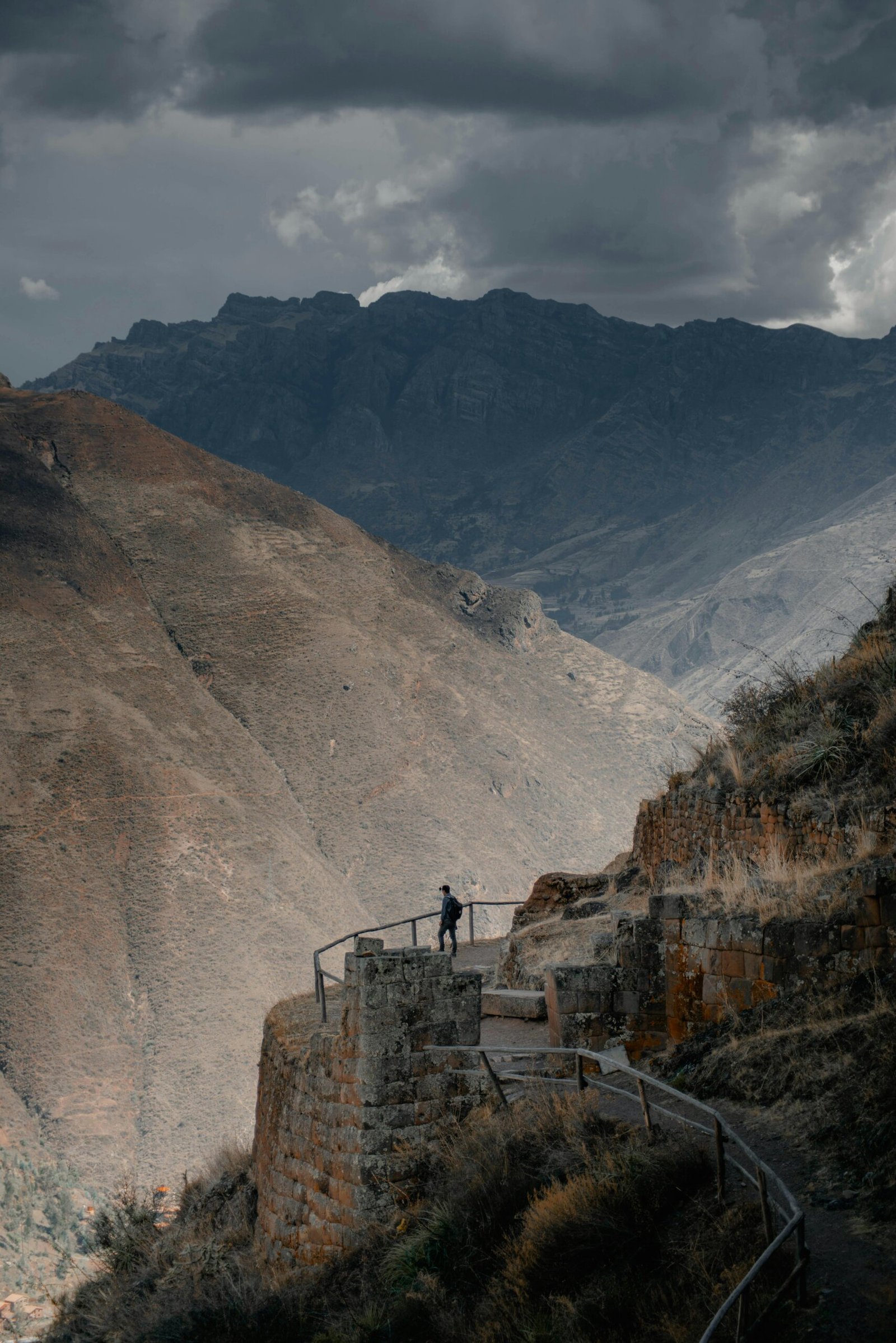
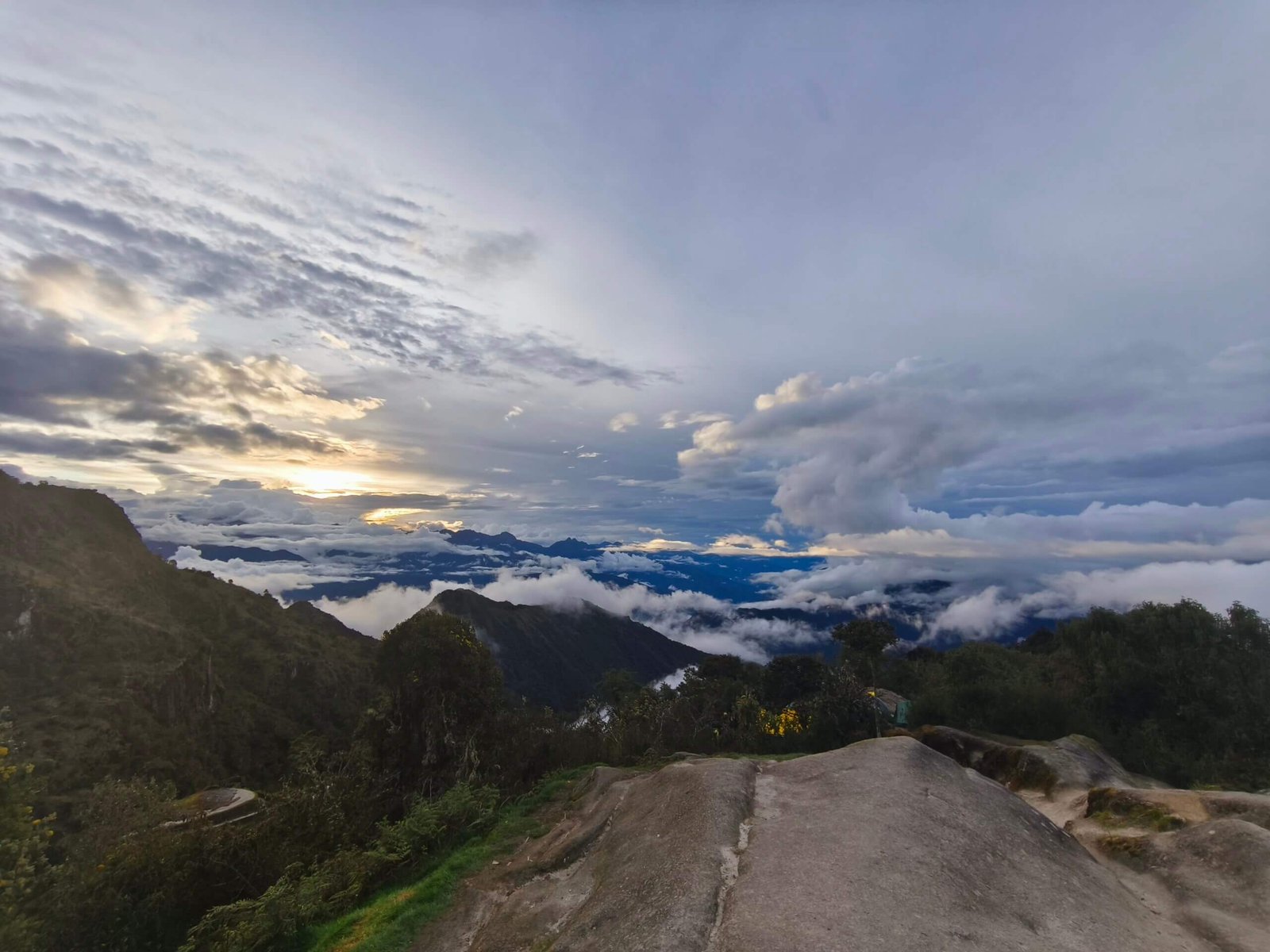
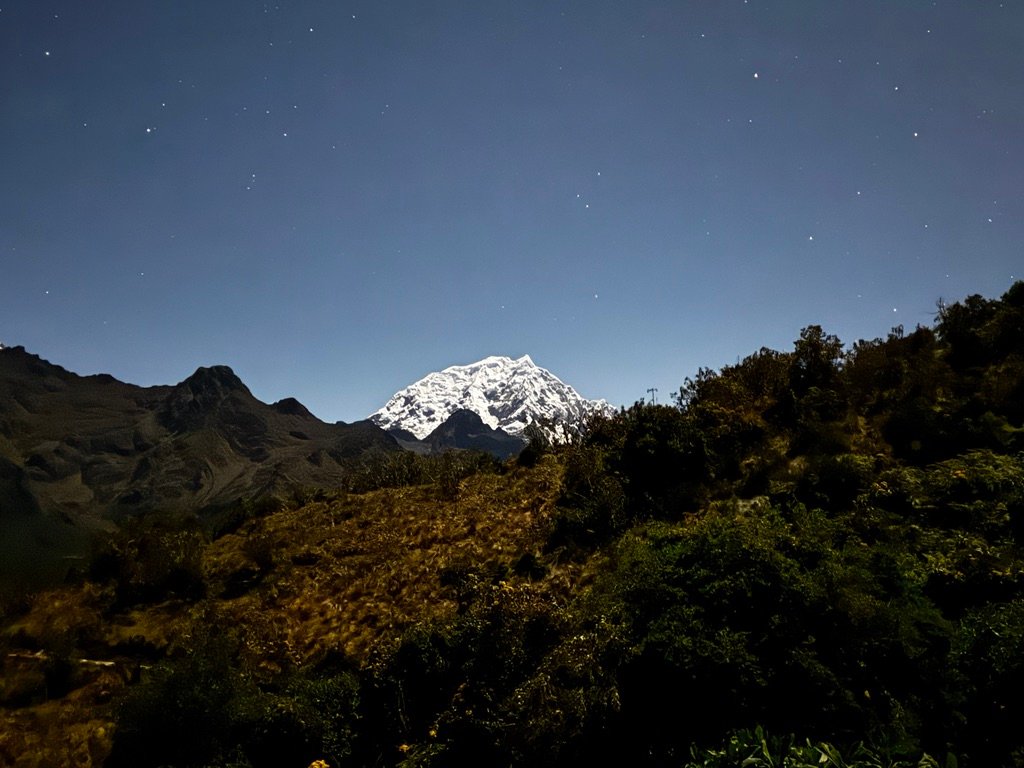
Overview of the Grey Glacier Trail Hiking Tour
The Grey Glacier Trail follows the shoreline of Lake Grey toward a massive outlet glacier. The route alternates forested paths and exposed viewpoints overlooking floating icebergs. The glacier’s scale becomes increasingly apparent as hikers approach.
Why This Trek Stands Out
The Grey Glacier Trail stands out for offering close glacier views without technical ice travel. Strong winds and open terrain enhance the sense of exposure and scale at Grey Glacier Trail. Optional boat crossings add variety to the experience.Grey Glacier Trail Highlights
- Grey Glacier walls
- Floating icebergs
- Lake Grey viewpoints
- Wind-exposed ridges
22 kilometers
Distance1 to 2 days
DurationModerate
Difficultyup to 400 meters gain
ElevationReady to Experience the Grey Glacier Trail?
Join expert guides on this unforgettable Patagonian adventure. Limited spots available for the upcoming season.
Expert Local Guides
All Equipment Included
Small Group Sizes
24/7 Support
Overview of the Dientes de Navarino Hiking Tour
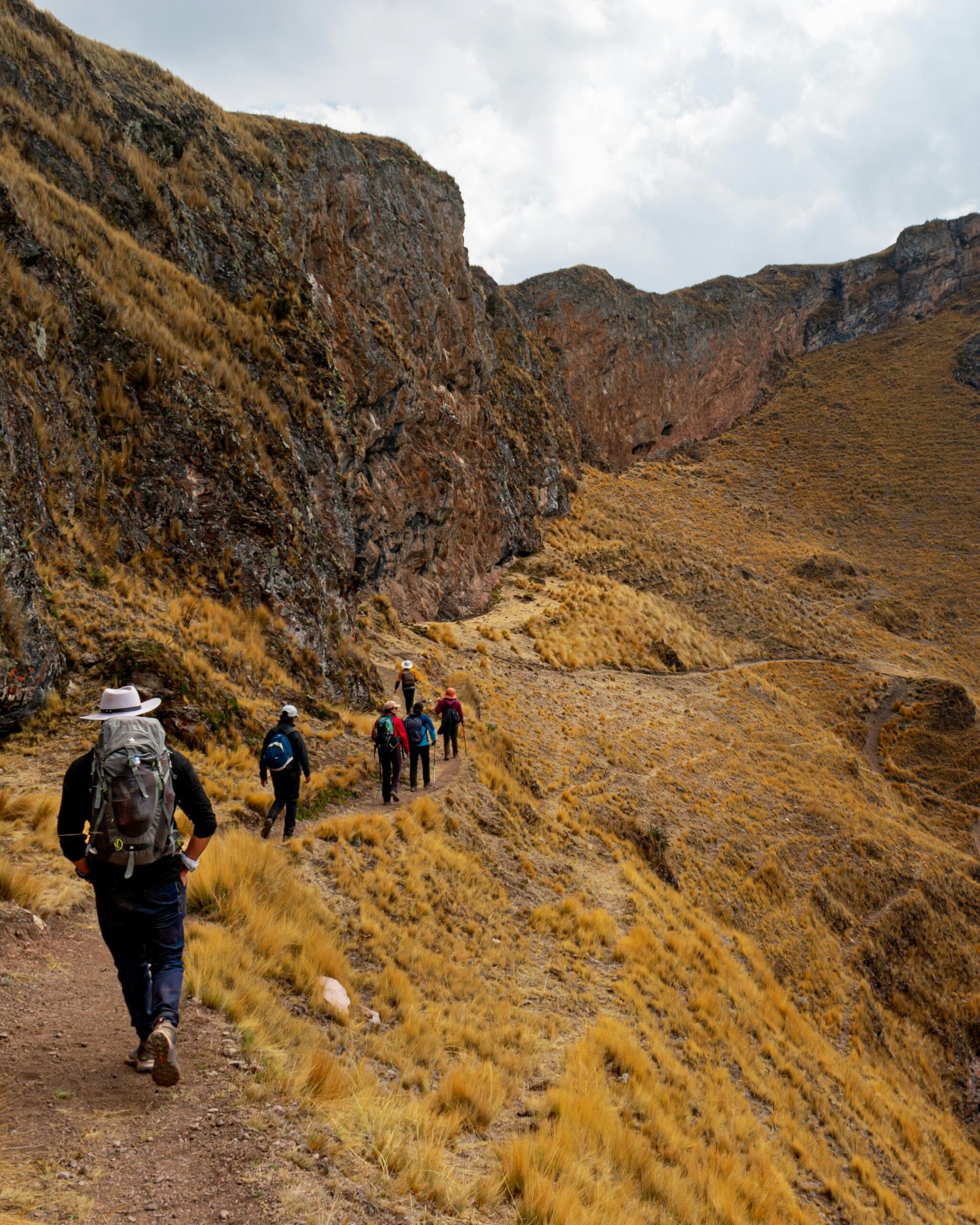
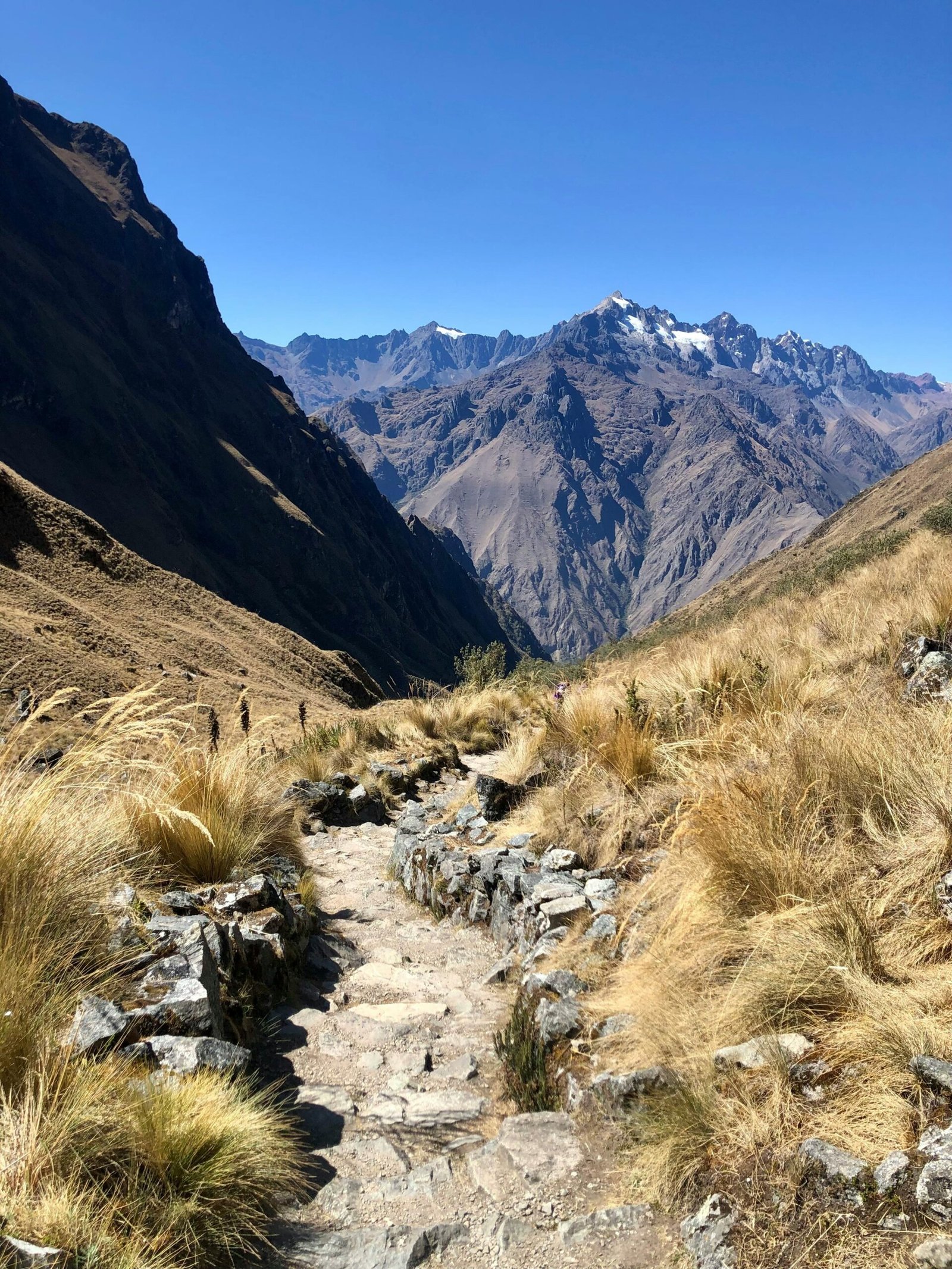
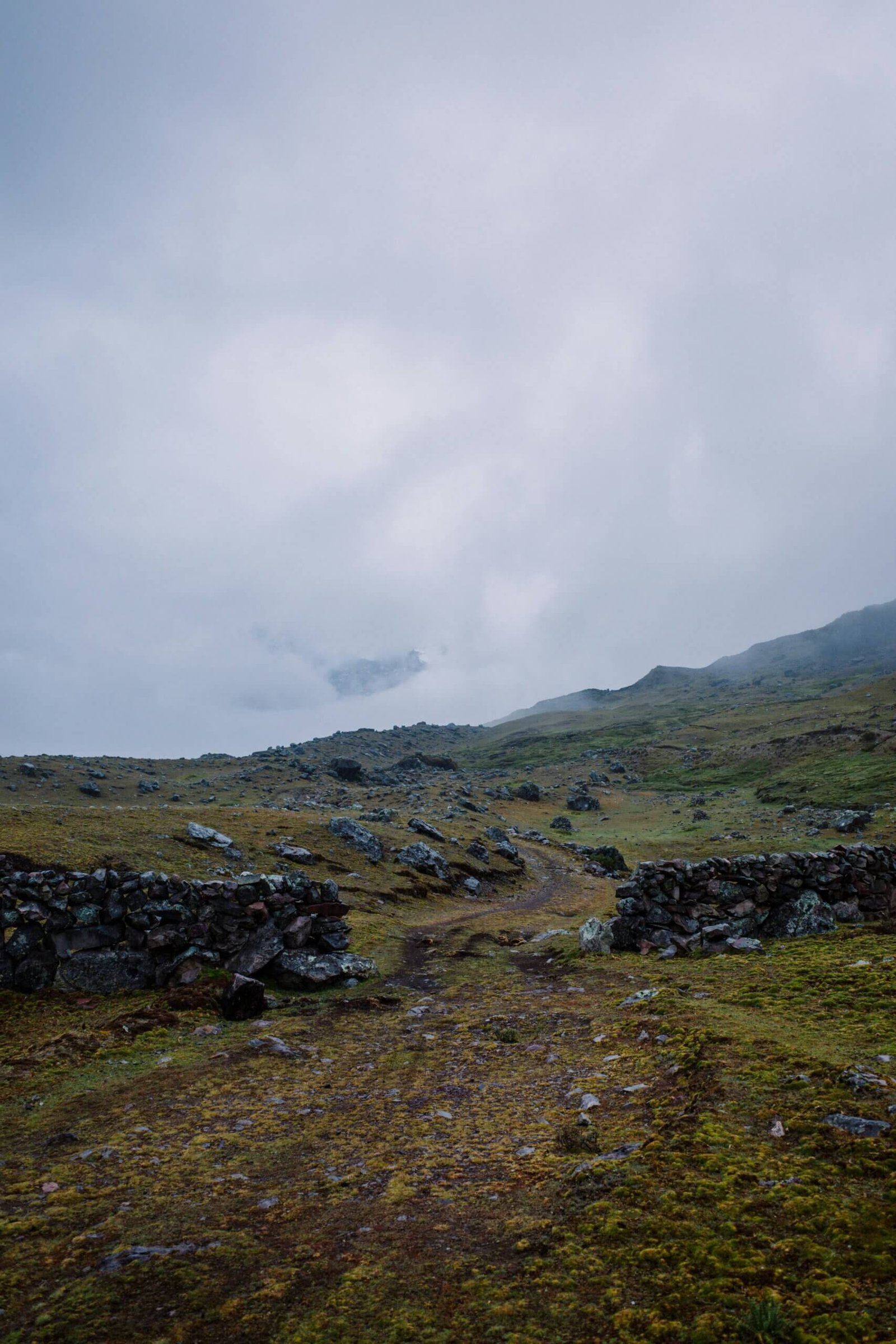
The Dientes de Navarino Trek is a remote circuit located on Navarino Island near Cape Horn. The route crosses high mountain passes, alpine lakes, and exposed ridgelines. Hikers must carry all supplies and navigate rapidly changing conditions.
Why This Trek Stands Out
The Dientes de Navarino stands out as one of the southernmost and demanding hikes in the world. The weather is unpredictable, and trails are less defined. The isolation at Dientes de Navarino creates a raw and challenging trekking experience.Dientes de Navarino Highlights
- High mountain passes
- Remote alpine lakes
- Rugged ridgelines
- Extreme southern latitude
40 kilometers
Distance4 to 5 days
DurationChallenging
Difficulty850 meters gain
ElevationReady to Experience Dientes de Navarino?
Join expert guides on this unforgettable Patagonian adventure. Limited spots available for the upcoming season.
Expert Local Guides
All Equipment Included
Small Group Sizes
24/7 Support
Overview of the Cerro Castillo Trek Hiking Tour
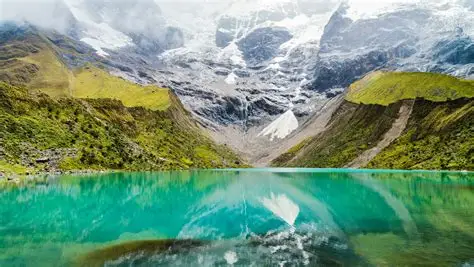
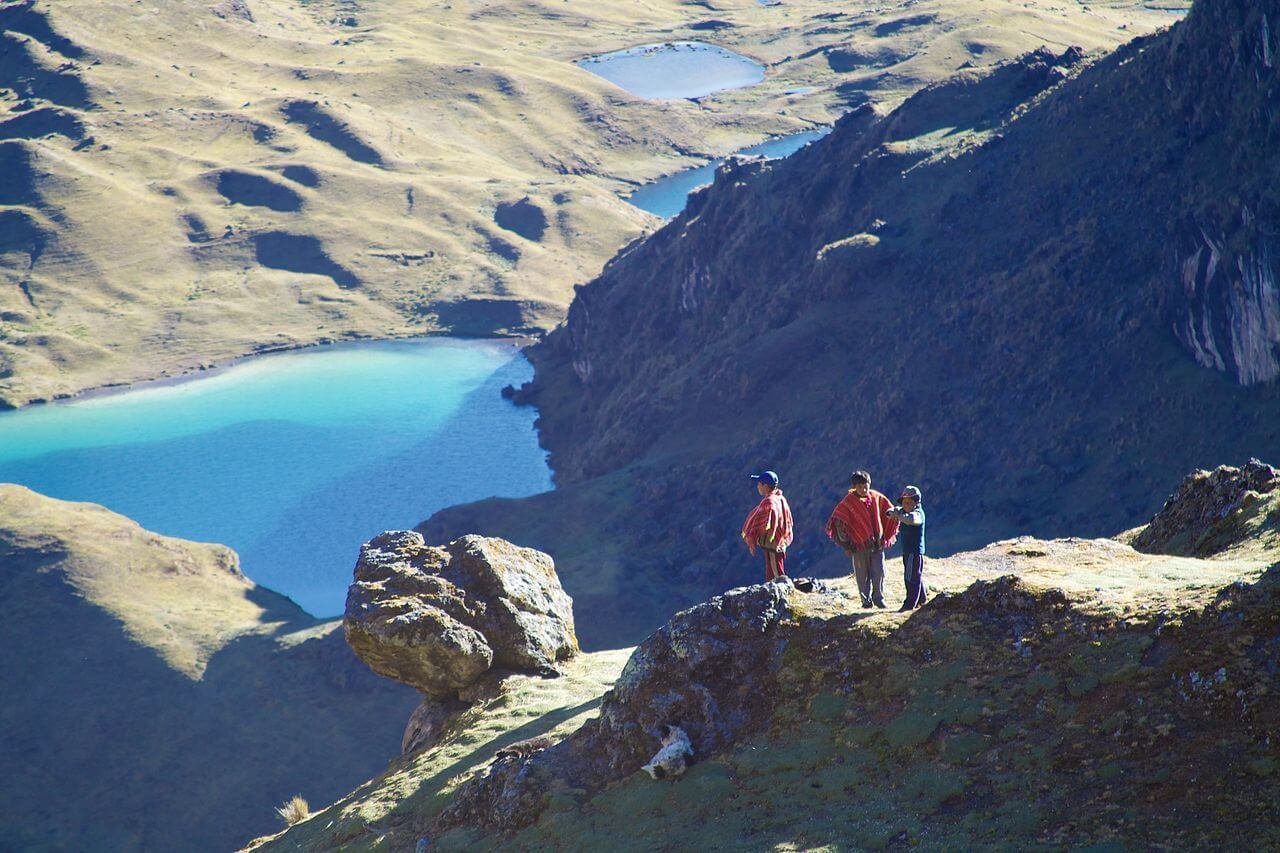
The Cerro Castillo Trek loops through a rugged mountain range in Chilean Patagonia. The route includes river crossings, high passes, and remote campsites. The terrain is varied and physically demanding.
Why This Trek Stands Out
The Cerro Castillo Trek stands out for its dramatic mountain terrain and lower visitor numbers. Daily elevation gain provides a consistent challenge. Cerro Castillo Trek appeals to hikers seeking solitude and less-developed routes.Cerro Castillo Trek Highlights
- Cerro Castillo peaks
- Turquoise lagoons
- Mountain passes
- Remote valleys
50 kilometers
Distance3 to 4 days
DurationModerate to Hard
Difficulty1,600 meters gain
ElevationReady to Experience the Cerro Castillo Trek?
Join expert guides on this unforgettable Patagonian adventure. Limited spots available for the upcoming season.
Expert Local Guides
All Equipment Included
Small Group Sizes
24/7 Support
- Wildlife Watching: Patagonian terrain houses diverse animals (Guanacos, Condors, Rheas). Photographers capture rare moments of predators in their natural habitat. Observing the creatures remains one of the top Things to do in Patagonia.
- Glacier Trekking: Specialized guides lead groups onto the surface of massive ice fields. Participants wear crampons to navigate the deep blue crevasses safely. Walking on ancient ice is a highlight among Things to do in Patagonia.
- Photography: Dramatic lighting and jagged peaks offer endless opportunities for capturing stunning images. Sunrise at the granite towers provides a golden glow sought by professionals. Scenic photography ranks high on the list of things to do in Patagonia.
- Llao Llao Hill: The short path near Bariloche offers panoramic views of the Lake District. The trail winds through lush forests to reach a summit overlooking Nahuel Huapi Lake. Scenery defines the beauty of Patagonia walking.
- Peninsula Magallanes: Boardwalks provide an accessible way to view the Perito Moreno Glacier. Different levels of paths allow for angles of the ice wall.
- Coastal Trail: The route in Tierra del Fuego National Park follows the shoreline of the Beagle Channel. Hikers observe marine birds and shipwrecks along the stony beaches.
- Condor Lookout: The spot provides a 360-degree view of the Paine Massif and Nordenskjöld Lake. Sightings of Andean condors soaring above the cliffs occur here. Photographers find the best perspective of the mountains from high up.
- Salto Grande: The massive waterfall connects Nordenskjöld and Pehoe lakes. Powerful turquoise water creates a dramatic foreground for the Cuernos del Paine. Rainbows appear in the mist on sunny days.
- Chorrillo del Salto: The waterfall sits a short distance from El Chaltén. The forest setting provides a tranquil backdrop for long-exposure photography. Falling water creates a vertical focal point against the surrounding rocks.
- Classic W Trek Package: The organized trip includes mountain lodge stays and professional guides. Logistics (transportation, meals, gear) are handled by the operator.
- Full Patagonia Expedition: The comprehensive package covers Argentine and Chilean highlights over two weeks. Visitors experience the different environments (granite mountain ranges, glaciers, alpine forests) of the entire region in one journey.
- Luxury Lodge Trek: Hikers return to high-end accommodations and gourmet meals after each day on the trail. The option blends physical activity with premium comfort. Sophisticated travelers choose the style for a refined Patagonia Tour.
Group leaders handle logistics (permits, campsite reservations, food preparation). Participants learn about the unique geology and ecology of Patagonia through expert commentary. Guides carry emergency communication devices and first aid kits for added security. Solo travelers find community and companionship within a guided group. Specialized equipment (crampons, ropes, technical gear) is provided by the tour company. Local experts identify rare wildlife that untrained eyes miss.
Navigating the complex transportation systems in remote parks becomes easier with professional assistance. Beginners gain confidence while learning proper trekking techniques from veterans. The presence of a guide ensures adherence to “Leave No Trace” principles. Stress levels decrease when an expert manages the daily itinerary. Travelers use time by following routes made by professionals. Knowledge of cultural history adds depth to the physical journey. Professionalism ensures a high standard of service throughout the trip. Reliable support provides peace of mind in the wilderness.
- The Southern Highlights: The ten-day plan visits Torres del Paine and El Calafate. It combines the famous mountain views with a visit to the Perito Moreno Glacier.
- Remote Aysén Escape: Travelers head north to the Carretera Austral for off-the-beaten-path adventures. The schedule focuses on the Marble Caves and Cerro Castillo. Solitude defines the specific Patagonia Itinerary.
- The End of the World: The route explores the rugged beauty of Tierra del Fuego and Ushuaia. It includes boat trips on the Beagle Channel and forest hikes. Coastal scenery dominates the Patagonia Itinerary.
Navigating across loose scree slopes or through muddy bogs adds a technical element. Remote areas require self-sufficiency and backcountry survival skills. High-altitude passes (John Gardner Pass) present physical hurdles for fit individuals. Long distances to water sources or campsites necessitate careful planning. Physical preparation focuses on cardiovascular health and leg strength. Trails fall into the moderate to difficult category for the average tourist. The rugged nature of the terrain ensures a constant challenge for explorers. Fatigue sets in quickly when fighting against strong headwinds. Proper pacing remains valuable for long-distance success. Mental toughness helps trekkers endure cold and damp conditions. Each hiker finds the limits on the southern paths.
- Extreme Weather: Sudden changes in temperature and precipitation happen. High winds make balance difficult on narrow ridges. Snowfall occurs during the summer months (December to February).
- Rugged Terrain: Trails consist of loose rocks, thick mud, and steep inclines. Stream crossings require balance and careful footing. Vertical climbs over boulder fields test physical limits.
- Remote Locations: Help remains far away in the event of an injury or equipment failure. Limited cell service prevents easy communication with the outside world. Hikers must carry necessary supplies for 3 to 8 days.
- Dientes de Navarino: The route lacks clearly defined paths and requires expert navigation. Extreme isolation and harsh weather make it a formidable challenge. Experienced backpackers attempt the trek.
- The Huemul Circuit: The Argentine trail involves zip-lining across rivers and crossing glaciers. Steep descents on loose scree slopes test the technical skills of hikers. Self-reliance is mandatory for the difficult loop.
- Mount Fitz Roy Summit: Reaching the peak of the iconic mountain involves technical rock climbing. High winds and vertical walls make it a prestigious climb globally. The path is reserved for professional alpinists.
- Research the specific regions and trails to determine personal preferences. Look for information on difficulty levels and scenic highlights. Compare the differences in the Chilean and Argentine sectors.
- Book accommodations and park entries eight months in advance. Popular refugios and campsites (Refugio Grey, Poincenot Camp, Laguna Escondida Camp) fill up quickly during the peak summer. Secure flight tickets to gateway cities (Punta Arenas, El Calafate).
- Gather high-quality outdoor gear for extreme conditions. Purchase waterproof layers and sturdy hiking boots. Test equipment before departure to ensure proper fit and function.
- Create a detailed itinerary, including transportation to parks. Arrange for shuttles or rental cars to reach trailheads. Allow for buffer days to account for weather-related delays.
- Torres del Paine National Park: Visitors purchase an entrance ticket online before arrival. Reservations for campsites on the W and O treks are mandatory. Proof of booking is required at checkpoints within the park.
- Los Glaciares National Park: Entry fees apply to specific sectors (Perito Moreno Glacier). Trails near El Chaltén currently do not require individual permits for day hiking. Camping in designated areas follows strict regulations.
- Tierra del Fuego National Park: A daily entrance fee is charged at the park gates. Permits for overnight backcountry trips are obtained from the ranger station. Visitors follow specific routes to protect the fragile subantarctic ecosystem.
- Access the official national park website for the specific region. Locate the reservation portal for trekking and camping (Torres del Paine National Park in Chile, Los Glaciares National Park in Argentina, and Bernardo O'Higgins National Park in Chile). Create a user account to manage bookings.
- Select the desired dates and trail sections carefully. Check for availability at each campsite along the route. Confirm the number of people in the trekking party.
- Pay the required fees using a valid credit card. Save the digital confirmation or print the permit for physical presentation. Present the documents to park authorities upon arrival at the trailhead.
- Verify regulations before arrival. Review park-specific rules regarding fire restrictions, check-in times, and safety requirements. Carry documentation throughout the trek, as rangers conduct routine inspections on popular routes.